
Asia GCC Tourism Boom Surges as Gulf Destinations Unlock Record Asian Visitor Growth With Connectivity Visa and Luxury Travel Expansion
Asia GCC Tourism Boom Surges as Gulf Destinations Unlock Record Asian Visitor Growth With Connectivity Visa and Luxury Travel Expansion

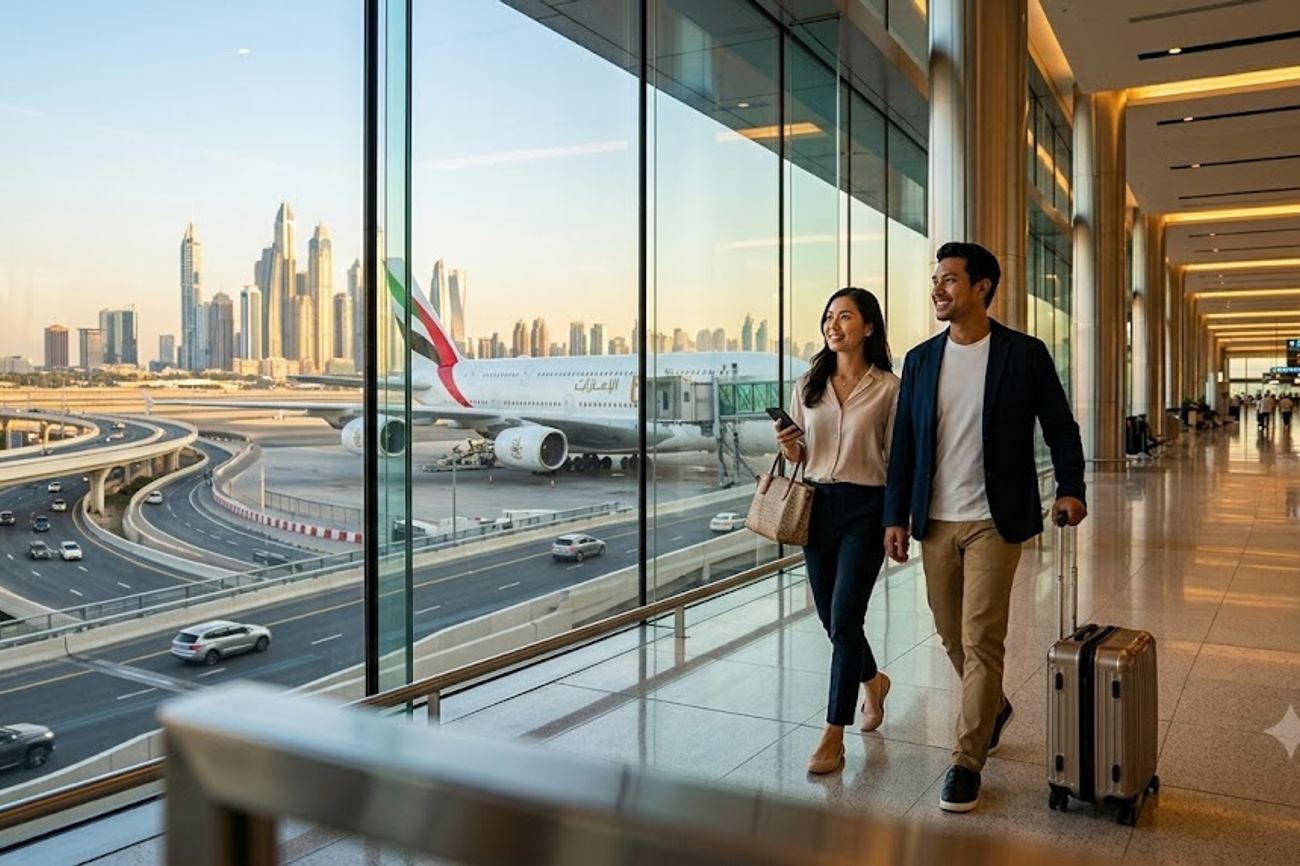
Image generated by AI
Are you planning a multi-city trip between Asia and the Gulf states in 2025? With overnight visits from Asia to the GCC projected to hit 164.8 million this year, the logistics of navigating this corridor have shifted from simple transit to complex, high-value tourism.
The Asia-GCC Tourism Expansion
The travel corridor linking Asia and the Gulf Cooperation Council (GCC) countries is undergoing a structural transformation. No longer serving merely as a bridge for passengers flying between East and West, the region has evolved into a primary destination. Data presented at the Arabian Travel Market (ATM) indicates a 161% increase in Asian overnight visitors compared to 2019 levels. This surge is driven by a rising middle class in India, China, South Korea, and Malaysia, alongside a strategic pivot by Gulf nations to diversify their economies away from oil.
For the traveler, this means a massive increase in direct flight options, streamlined entry requirements, and a shift in how "stopovers" are handled. The GCC outbound market is also expanding, valued at US$75.5 billion in 2025, with a projected compound annual growth rate (CAGR) of 6.84% through 2034. This bidirectional flow has forced a rapid upgrade in hospitality and digital infrastructure across the region.
Route and Schedule Details
The connectivity between these regions is maintained by a mix of full-service carriers and low-cost carriers (LCCs), with an increasing focus on secondary Asian cities to bypass traditional hubs.
| Route Category | Primary Carriers | Frequency | Aircraft Types | Status |
|---|---|---|---|---|
| Major Hubs (e.g., DXB, DOH, AUH) | Emirates, Qatar Airways, Etihad | High / Daily | A380, B777, A350 | Active |
| Regional/Secondary Cities | flydubai, Air India Express, IndiGo | Moderate | B737, A320 | Expanding |
| Luxury/Cultural Corridors | Saudi Arabian Airlines, Oman Air | Scheduled | B787, A330 | Active |
| Multi-City GCC Loops | Various (Regional) | Emerging | Mixed | Developing |
Traveler Logistics Guide
Navigating the Asia-GCC corridor requires a specific strategy to maximize efficiency, especially when combining business with leisure.
1. Optimizing Your Connection Strategy If you are transiting through Dubai, Abu Dhabi, or Doha, do not book the minimum connection time. The current trend is "stopover tourism." Many carriers now offer subsidized or free hotel stays for passengers who extend their layover to 48 or 72 hours. Check your airline's specific stopover program during the booking process to secure these perks.
2. Managing Entry and Visas The most significant logistical shift is the move toward digital travel systems. While individual e-visas are standard, keep an eye on the "GCC Grand Tours" initiative. This unified tourist visa is designed to allow travelers to visit multiple GCC countries on a single permit, eliminating the need for separate applications for Saudi Arabia, the UAE, Qatar, and Oman. Always verify current requirements via the Official Saudi Visit Visa portal or the UAE Government portal before departure.
3. Ground Transport and Last-Mile Connectivity In major hubs like Dubai and Doha, the metro systems are highly efficient. However, for those visiting Saudi Arabia's new heritage sites like AlUla or Diriyah, rental cars or pre-arranged private transfers are mandatory, as public transit to these specific cultural zones is limited. Use ride-hailing apps like Careem, which is widely accepted across the GCC.
4. Baggage and Customs When utilizing LCCs like IndiGo or Air India Express for secondary city routes, be vigilant about baggage allowances, which are significantly lower than those of full-service carriers like Emirates. If you are transferring from an LCC to a full-service carrier, you will likely need to collect your bags and re-check them, even if you have a single PNR.
Regional Connectivity Impact
The investment in tourism infrastructure is reshaping the geography of travel in the Middle East. Saudi Arabia's Vision 2030 is the primary driver here, shifting the focus from the coastal hubs to the interior. The development of AlUla and Diriyah means travelers are now flying into regional airports rather than just Riyadh or Jeddah.
The surge in Asian arrivals is heavily supported by the expansion of streamlined entry requirements and increased flight frequencies across the region. Travelers can now leverage simplified visa processes and high-capacity transit hubs managed by Dubai Airports to access luxury destinations across the GCC.
Furthermore, the trade outlook between Asia and the GCC is expected to reach approximately US$802 billion by 2030. This economic tie is manifesting in "business-leisure" (bleisure) travel. We are seeing a rise in long-stay visas designed for entrepreneurs and digital nomads from Asia who wish to use the GCC as a base for operations in both markets.
The impact on aviation is equally profound. The 13.95% CAGR in Asia-Pacific tourism board participation at the ATM suggests that airlines are no longer just competing on price, but on the "experience" of the transit. This includes the integration of biometric boarding and AI-driven customs processing to handle the projected 164.8 million overnight visits.
FAQ: Asia-GCC Transit 2025
Do I need a separate visa for each GCC country? Currently, yes, though the "GCC Grand Tours" unified visa is being implemented to allow multi-country access. Always check the specific requirements for Saudi Arabia, UAE, Qatar, and Oman based on your passport.
How long should my layover be for a stopover tour? For a meaningful experience in hubs like Dubai or Doha, a minimum of 48 hours is recommended. This allows for one full day of sightseeing and avoids the stress of tight flight connections.
Can I check my bags through to the final destination on mixed-carrier tickets? Not always. If you book a separate ticket on an LCC (like IndiGo) and a full-service carrier (like Emirates), you must usually clear customs and re-check bags. Only "interline" agreements allow through-checking.
Which Asian markets have the best connectivity to the Gulf? India, China, South Korea, and Malaysia currently have the most robust flight networks, with increasing direct routes to secondary cities beyond the primary capitals.
Plan your transit around the hub, not just the destination, to unlock the full value of the GCC's new infrastructure.
#GCC-Transit-2025 #Asia-Gulf-Corridor #Saudi-Vision-2030 #DXB-DOH-AUH-Logistics #GCC-Grand-Tours
Related Travel Guides
Disclaimer
This article is for informational and educational purposes only. It does not constitute legal, financial, or professional advice. While we strive to provide accurate and up-to-date information, travel policies, regulations, and conditions change rapidly. Always verify information with official sources before making travel decisions. Nomad Lawyer makes no representations about the accuracy, reliability, completeness, or suitability of the information provided. Readers should consult qualified professionals for advice specific to their circumstances. The views expressed in this article are those of the author and do not necessarily reflect the views of Nomad Lawyer.
Naina Thakur
Contributor & Travel Specialist
Travel enthusiast and legal writer covering visa regulations, responsible tourism, and cultural journeys across global destinations.
Learn more about our team →