
Air Premia Launches Incheon-Sapporo Winter Flights: Boeing 787-9 Service Opens Hokkaido Powder Season

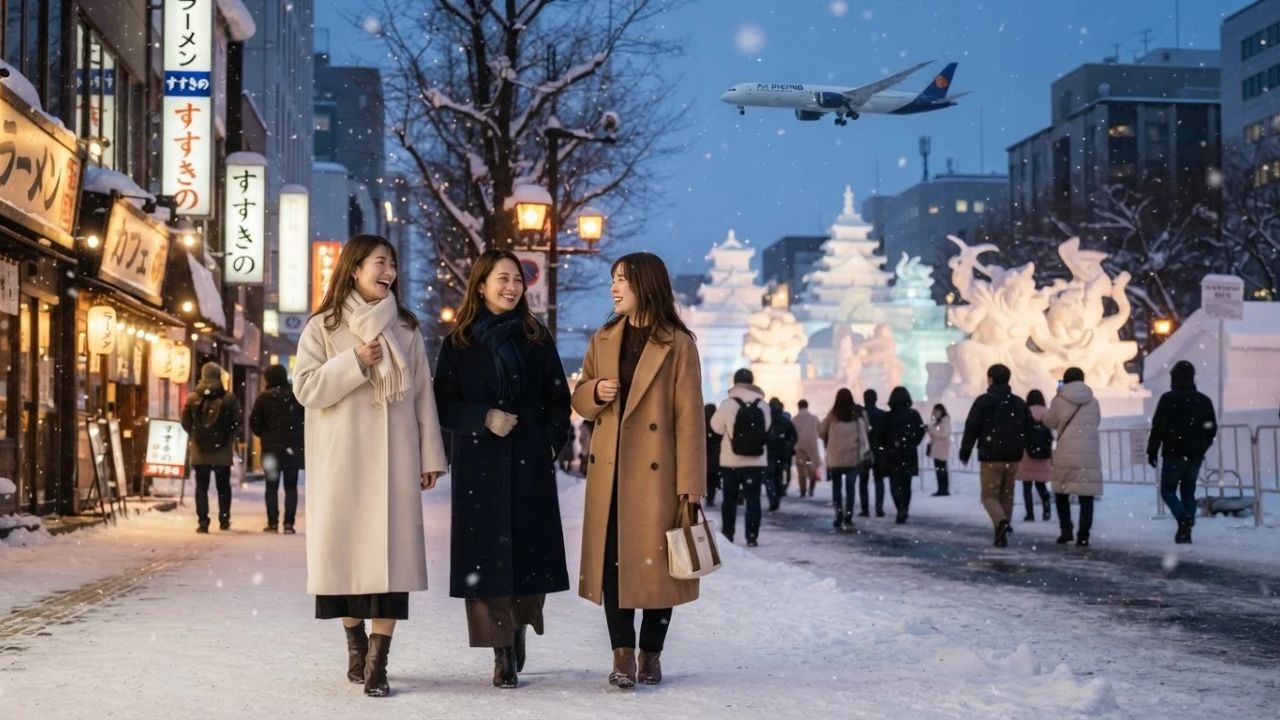
South Korean hybrid carrier Air Premia will inaugurate a four-times-weekly nonstop route between Seoul Incheon and Sapporo on 2 December 2026, deploying its widebody Boeing 787-9 Dreamliner to capture surging winter demand across northern Japan. Marking the airline’s second destination in Japan alongside its high-density Incheon–Tokyo Narita service, the new winter corridor provides travelers with a daylight flight schedule connecting Incheon International Airport directly with New Chitose Airport every Wednesday, Thursday, Saturday, and Sunday.
Operating with mid-morning departures from Incheon at 9:40 AM to arrive in Sapporo at 12:20 PM, and return legs leaving New Chitose at 1:45 PM to touch down in Seoul at 5:15 PM, the Dreamliner deployment offers an elevated comfort alternative to standard single-aisle budget flights. By touching down in Hokkaido at midday, the route grants international skiers, winter festival explorers, and culinary travelers seamless same-day transfers to world-renowned powder resorts in Niseko, Rusutsu, and Kiroro, cementing the Northeast Asian winter travel boom.
The Local Trend Revealed: Premium Regional Connectivity and Winter Sports Mobility
Winter tourism to Hokkaido has long represented one of East Asia’s most intense seasonal travel flows. However, regional travelers historically faced a stark choice: pay premium fares on legacy flag carriers or squeeze into cramped, single-aisle narrowbody aircraft operated by low-cost carriers with restrictive baggage rules for ski equipment.
Air Premia’s entrance into the Incheon–Sapporo corridor addresses this structural demand by introducing widebody Dreamliner service on a short-haul international leisure route:
- The Dreamliner Comfort Advantage: Deploying the Boeing 787-9 on a two-hour-and-forty-minute flight provides distinct passenger benefits: expansive overhead storage bins designed to accommodate bulky winter outerwear, lower cabin altitude pressurization (6,000 feet) that alleviates travel fatigue, and generous seat pitch across both economy (35 inches) and premium economy ("Premia 42" with 42-inch pitch).
- Expanding Beyond Tokyo: Following the sustained success of its Incheon–Narita service—which was repeatedly expanded to satisfy high load factors—Air Premia is diversifying its network into high-yield seasonal leisure hubs. Rather than routing holidaymakers through crowded Tokyo airports, the direct Hokkaido link establishes an efficient trans-regional bridge between South Korea’s primary international hub and northern Japan’s winter playground.
- Dual-Country Winter Itineraries: The daylight schedule facilitates multi-destination holidays for international long-haul visitors from the United States, Europe, and Southeast Asia, allowing them to pair Seoul’s K-culture and shopping with a four-day ski and onsen excursion in Hokkaido.
Cultural & Environmental Value: Powder Snow Ecology and Forest Hot Springs
Hokkaido’s legendary winter allure is rooted in a rare meteorological phenomenon that creates the world's lightest, driest snow, affectionately christened "Japow" by international winter sports enthusiasts:
The Siberian Powder Snow Phenomenon
During the northern winter, freezing sub-zero continental winds sweep eastward across the Siberian plains, absorbing moisture as they cross the warm waters of the Sea of Japan. As these moisture-laden clouds collide with Hokkaido’s volcanic mountain ranges, they drop enormous volumes of dry, featherweight snow with an exceptionally low moisture content (typically between 4% and 8%). This produces deep, velvety powder that makes resorts around Mount Yotei global benchmarks for off-piste skiing and backcountry riding.
Sustainable Forest Onsens and Geothermal Stewardship
Hokkaido’s winter traditions are inseparable from geothermal hot spring (onsen) culture:
- Jozankei Onsen Sanctuary: Located within Shikotsu-Toya National Park just an hour south of central Sapporo, this tranquil river valley was founded in 1866 by ascetic monk Miizumi Jozan. Mineral-rich, clear thermal waters saturated with sodium chloride warm the body to the core, providing natural therapeutic relief after sub-zero outdoor activities.
- Geothermal Heat Utilization: Regional ryokans and municipal buildings in Jozankei and Noboribetsu utilize natural geothermal steam for underfloor heating, snow-melting pavements, and greenhouse agriculture, demonstrating how volcanic geology supports low-carbon municipal living.
Visitor Insider Tips: Maximizing Hokkaido’s Winter Season via Sapporo
Navigating Hokkaido during peak winter requires smart logistics, cold-weather preparation, and an understanding of Japanese hot spring etiquettes:
Seamless Airport Transit to Ski Fields
- Take the Midday Hokkaido Resort Liner: Touching down at New Chitose Airport at 12:20 PM allows travelers to clear customs and board the scheduled 13:30 or 14:00 Hokkaido Resort Liner ski coaches directly from the International Terminal bus gates. These luxury motorcoaches transport skiers and their gear straight to slopeside accommodations in Niseko Hirafu, Rusutsu, or Kiroro without the stress of driving on icy mountain roads.
- JR Rapid Airport Train for City Access: If heading into central Sapporo, board the JR Rapid Airport express train at New Chitose's basement railway station. Trains depart every 12 minutes, delivering travelers to JR Sapporo Station in just 37 minutes.
Sacred Onsen Etiquette
- Thorough Cleansing Before Soaking: Communal onsen baths are designed strictly for soaking and relaxation, not for washing. Always sit on the provided plastic stools at the seated shower stalls and scrub thoroughly with soap and shampoo before stepping into the thermal pool.
- The Modesty Towel Rule: Keep your small modesty towel (tenugui) out of the thermal bath water; place it on your head or set it beside the pool edge. Ensure long hair is tied up securely.
- Tattoo Considerations: While international ski resorts around Niseko are increasingly tattoo-friendly, traditional hot spring ryokans in Jozankei often ask guests to cover small tattoos with waterproof flesh-colored patches or reserve private rental baths (kashikiri onsen).
Strategic Timing for Winter Events
- Sapporo Snow Festival Timing: The world-famous Sapporo Snow Festival transforms Odori Park and Susukino with towering, illuminated snow and ice sculptures during the first full week of February. Hotels in central Sapporo book out four to six months in advance; travelers visiting in early December avoid these peak room surcharges while still enjoying fresh, pristine snowfall.
- Day Trip to Otaru Snow Light Path: Take a 35-minute train ride along the coast to historic Otaru in the late afternoon. Stroll beside the 1923 canal illuminated by floating glass oil lanterns, admiring historic brick and stone warehouses dusted in deep snow.
Hokkaido Gastronomy: Hearty Winter Warmers and Pristine Seafood
Hokkaido’s agricultural and marine bounty produces a unique regional cuisine engineered to comfort diners in sub-zero winter temperatures:
Regional Winter Warmers
- Sapporo Miso Ramen with Butter and Corn: Born in the alleys of Sapporo, this winter classic features thick, chewy yellow egg noodles swimming in a rich, deeply savory broth made from aged red and white miso, pork bone stock, and garlic. It is topped with roasted pork (chashu), crunchy bean sprouts, and a signature generous pat of creamy local Hokkaido dairy butter that melts into sweet farm corn kernels. Head to Ganso Ramen Yokocho (Original Ramen Alley) in Susukino to sample steaming bowls from veteran noodle masters.
- Spicy Hokkaido Soup Curry: An aromatic, medicinal fusion of Japanese and Indian curry traditions. A light, fragrant spiced herbal broth is packed with a fork-tender, slow-braised whole chicken leg, roasted lotus root, kabocha pumpkin, bell peppers, and flash-fried eggplant, paired with a separate bowl of turmeric rice.
- Jingisukan (Genghis Khan BBQ): Tender slices of fresh lamb or mutton seared over charcoal on a domed, convex cast-iron griddle, surrounded by sweet onions and bean sprouts that caramelize in the savory meat drippings, dipped in a rich garlic-soy-ginger sauce.
Pristine Winter Seafood
- Kaisen-don (Overflowing Seafood Bowls): Winter is peak season for Hokkaido’s cold-water marine harvest. Visit the historic Nijo Market in Sapporo or Sankaku Market in Otaru for breakfast bowls brimming with sweet, creamy sea urchin (bafun uni), jewel-like salmon roe (ikura), and giant grilled scallops (hotate).
- Sweet King Crab (Tarabagani): Savor freshly steamed king crab legs cracked open at morning markets, revealing sweet, succulent white meat dipped lightly in citrus ponzu.
Tourism Outlook: Strengthening Northeast Asian Leisure Travel Networks
Air Premia’s December 2026 expansion into Sapporo demonstrates the growing importance of point-to-point regional routes in Northeast Asia. By connecting major metropolitan gateways directly with premier seasonal outdoor destinations, airlines are dismantling traditional hub-and-spoke bottlenecks, empowering international travelers to plan seamless, multi-destination holidays.
For Hokkaido, widebody Boeing 787-9 connectivity from Incheon brings vital economic vitality to rural mountain communities, regional ski resorts, family-operated ryokans, and coastal seafood cooperatives. For conscious travelers seeking an authentic winter wonderland, the snowy peaks, bubbling hot springs, and rich culinary culture of northern Japan remain an irresistible call to adventure.
Related Travel Guides
- United Airlines Expands Global Reach: San Francisco to Sapporo Nonstop Headlines Major 2026 International Push
- Eastar Jet Launches Daily Busan-Hong Kong Route: Direct Flights Boost South Korea’s Coastal Tourism
- Australian Travel Surges to Record 12.71 Million Departures: Bali, Japan, and New Zealand Dominate Post-Pandemic Escapes
Disclaimer
This article is for informational and educational purposes only. It does not constitute legal, financial, or professional advice. While we strive to provide accurate and up-to-date information, travel policies, regulations, and conditions change rapidly. Always verify information with official sources before making travel decisions. Nomad Lawyer makes no representations about the accuracy, reliability, completeness, or suitability of the information provided. Readers should consult qualified professionals for advice specific to their circumstances. The views expressed in this article are those of the author and do not necessarily reflect the views of Nomad Lawyer.
Raushan Kumar
Founder & Lead Developer
Full-stack developer with 11+ years of experience and a passionate traveller. Raushan built Nomad Lawyer from the ground up with a vision to create the best travel and law experience on the web.
Learn more about our team →