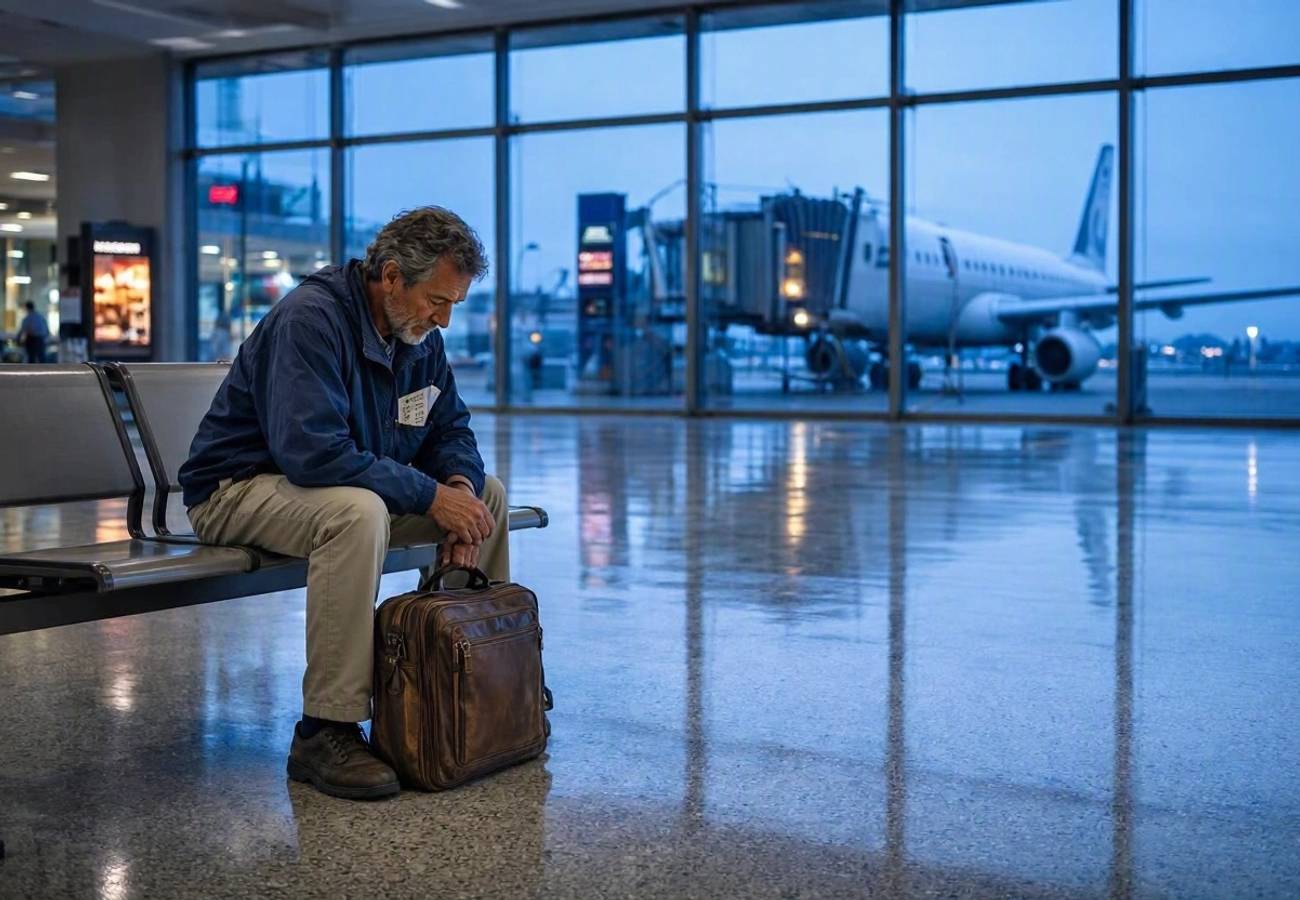
Air New Zealand Probes SFO Crew Layover Incident: Transpacific Operations and Passenger Travel Guide 2026

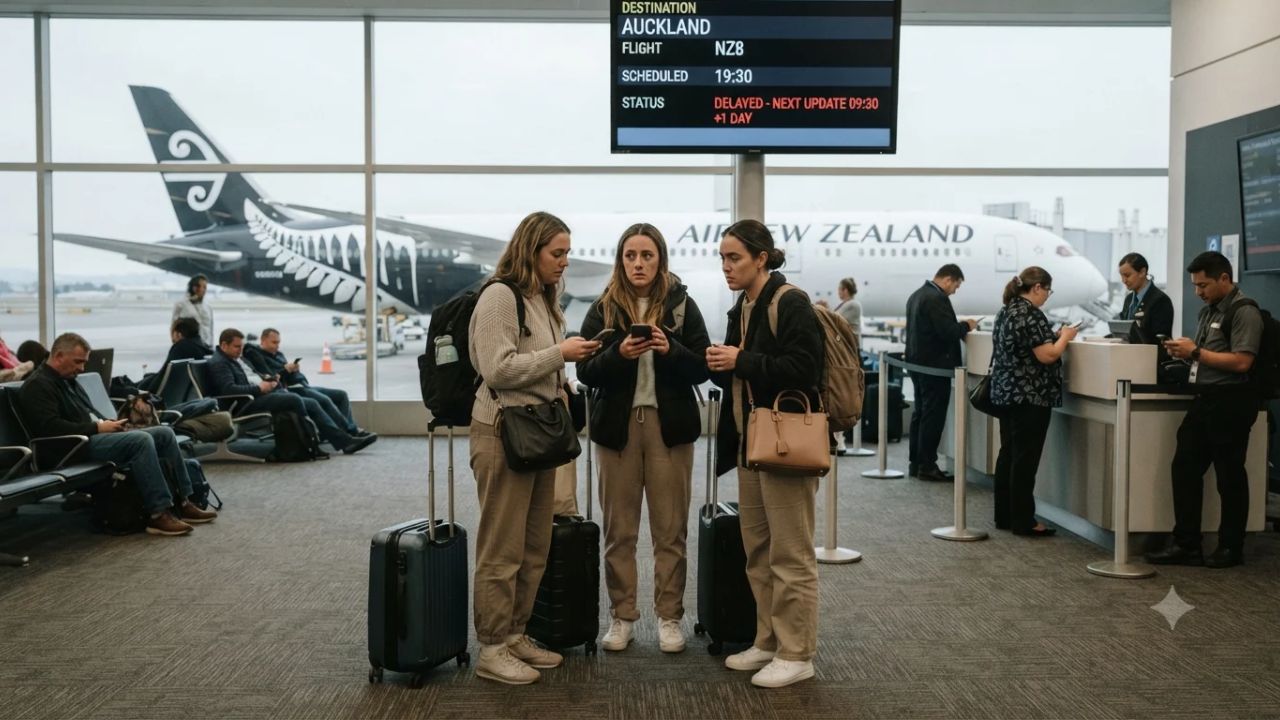
When a scheduled flight crew becomes unexpectedly unavailable at an overseas outstation, international civil aviation laws prohibit an airline from simply stepping a newly arrived relief pilot into the cockpit without completing a mandatory rest period. That strict regulatory requirement was placed under the global spotlight when passengers on Air New Zealand's long-haul service from San Francisco International Airport to Auckland faced a delay exceeding 14 hours following an off-duty incident between two pilots during a city layover in early September 2026.
Flight records tracking departures on 6 and 7 September 2026 revealed that while the aircraft remained fully airworthy and grounded at the gate, replacement flight crew had to be positioned into California. Under strict fatigue-management mandates enforced by the Civil Aviation Authority of New Zealand, the inbound replacement pilot was legally required to observe a full statutory rest cycle before taking command of the Boeing widebody aircraft across the 12-hour Pacific crossing.
Operational Facts and Regulatory Overview
Air New Zealand confirmed that an internal investigation is actively underway and that the regulatory authority has been formally notified. The carrier made an important operational distinction, confirming that no incident occurred aboard the aircraft and that passenger in-flight safety was never compromised.
The operational chain of events demonstrates how long-haul airline safety protocols govern overseas disruptions:
| Disruption Event / Milestone | Operational Reality & Finding | Regulatory Governance Factor |
|---|---|---|
| Location & Timeline | San Francisco layover hotel (6–7 September 2026) | Off-duty crew dispute under internal investigation |
| Aircraft State | SFO Gate Departure, Boeing Widebody | Confirmed zero safety irregularities aboard the aircraft |
| Passenger Impact | Departure delay exceeding 14 hours | Hotel vouchers, food provisions, and rebooking provided |
| Crew Deployment | Relief pilot positioned to San Francisco | Mandatory pre-flight statutory rest period enforced |
| Regulatory Oversight | Formal notice submitted to CAA New Zealand | Adherence to national fatigue risk management regulations |
Long-haul sectors like San Francisco to Auckland represent critical transpacific bridges connecting North American networks with New Zealand's domestic tourism corridors. Sourcing qualified type-rated captains and first officers at foreign stations requires complex logistics, especially when relief personnel must position across multiple time zones before legally entering service.
What Makes the San Francisco to Auckland Corridor Vital
The nonstop air corridor between Northern California and New Zealand serves as an essential lifeline for international leisure and business travel. For travelers heading south, Auckland acts as the primary gateway to the geothermal wonders of Rotorua, the vineyards of Waiheke Island, and connecting flights to Queenstown and Fiordland.
According to Tourism New Zealand, North American visitors represent one of the country's highest-value visitor segments, traveling extensively across both the North and South Islands. San Francisco provides a convenient one-stop connecting hub for passengers arriving from New York, Chicago, Boston, and Denver via Star Alliance partner United Airlines.
When transpacific departures encounter extended delays, the disruption extends beyond the flight itself, affecting scheduled domestic flights, campervan pick-ups, Milford Sound scenic cruises, and luxury lodge reservations across New Zealand.
Visitor Insider Tips for Handling Long-Haul Flight Disruption
- Exercise Your Rights Under US DOT Refund Rules: Under rules established by the U.S. Department of Transportation, passengers facing significant flight delays or cancellations on flights departing from US airports are entitled to a full cash refund if they choose not to accept the alternative travel itinerary offered by the airline.
- Retain Every Out-of-Pocket Expense Receipt: If an airline delay leaves you stranded overnight at an overseas gateway, save all itemized receipts for hotel accommodations, meals, and ground transportation. Submit these directly through the carrier's customer service claims portal with your original ticket number.
- Build a 5-Hour Buffer for Same-Day Domestic Connections: When arriving in Auckland from long-haul international flights, avoid booking tight 60-minute domestic transfers to regional hubs like Nelson or Blenheim. Allow at least three to four hours to clear New Zealand biosecurity screening and transfer from the International to Domestic terminal.
- Utilize Airport Transit and Lounges at SFO: If delayed at SFO International Terminal, take the complimentary AirTrain to easily navigate between terminals. Eligible Star Alliance Gold members and business-class travelers can access partner lounges for showers, quiet workspaces, and hot dining during extended gate holds.
- Protect Prepaid Activities with Comprehensive Travel Insurance: Always secure travel insurance that includes trip delay and missed connection coverage. This ensures that non-refundable bookings—such as guided Franz Josef glacier hikes or Doubtful Sound overnight cruises—are fully reimbursed if long-haul flights arrive late.
Cultural and Environmental Context
Travelers visiting New Zealand are welcomed under the guiding principle of the Tiaki Promise—a commitment to care for the land, travel safely, and respect local Maori culture. As an island nation with unique biodiversity, New Zealand enforces strict biosecurity screening at Auckland Airport to protect native ecosystems from invasive pests and foreign agricultural contamination.
At the same time, transpacific aviation sustainability remains a focal priority. Air New Zealand continues to trial Sustainable Aviation Fuels (SAF) on select routes and implements fuel-efficient flight descent profiles into Auckland. By respecting biosecurity requirements and supporting eco-certified operators on the ground, international visitors help preserve New Zealand's pristine lakes, ancient kauri forests, and marine sanctuaries.
FAQ: SFO to Auckland Travel 2026
Is the Air New Zealand San Francisco to Auckland route operating normally?
Yes. The daily nonstop service between San Francisco (SFO) and Auckland (AKL) continues to operate according to its standard published timetable.
Why do replacement pilots require mandatory rest before flying?
Civil aviation regulations strictly require long-haul pilots to complete mandatory rest periods to prevent pilot fatigue and ensure flight safety.
What should I do if my transpacific flight is delayed overnight?
Request hotel and meal vouchers directly from the airline gate staff and keep all receipts for necessary meals and transport for reimbursement.
How far is the transfer between Auckland's international and domestic terminals?
The terminals are connected by a clearly marked 10-minute outdoor green-line walkway or a complimentary inter-terminal shuttle bus running every 15 minutes.
With rigorous aviation safety standards and breathtaking natural landscapes, journeying across the Pacific remains one of the world's great travel adventures.
Related Travel Guides
- United States Aviation Gridlock: Soaring US Aviation Fuel Costs Force American Airlines to Revise Pricing Ahead of Memorial Day Holiday Rush: New Travel Alert
- United Airlines Boeing 767 Makes Dramatic Emergency Landing in Halifax, Canada After Mid-Flight Technical Failure on Chicago-London Flight: Latest Update
- Canada Issues Critical Travel Advisory for Bahamas, Mexico, Jamaica, Brazil, Costa Rica, and Dominican Republic Over Border Instability and Passport Alerts: What Every Traveller Must Know
This article is for informational purposes. Flight routes, passenger regulations, visa rules, and transit advisories are subject to change by airlines and aviation authorities. Readers are advised to verify schedules and travel documentation with relevant carriers and border agencies before departure.
Related Stories
Malaysia Enters Northeast Monsoon Season as AirAsia Issues Urgent KLIA Terminal 2 Travel Advisory
European Flight Bomb Threats Trigger Seven Emergency Landings and Diversions: Ryanair, LOT, and Wizz Air Security Guide 2026