
Canada Issues Critical Travel Advisory for Bahamas, Mexico, Jamaica, Brazil, Costa Rica, and Dominican Republic Over Border Instability and Passport Alerts: What Every Traveller Must Know
Global Affairs Canada has issued a critical travel advisory for the Bahamas, Mexico, Jamaica, Brazil, Costa Rica, and the Dominican Republic due to border instability and safety concerns.

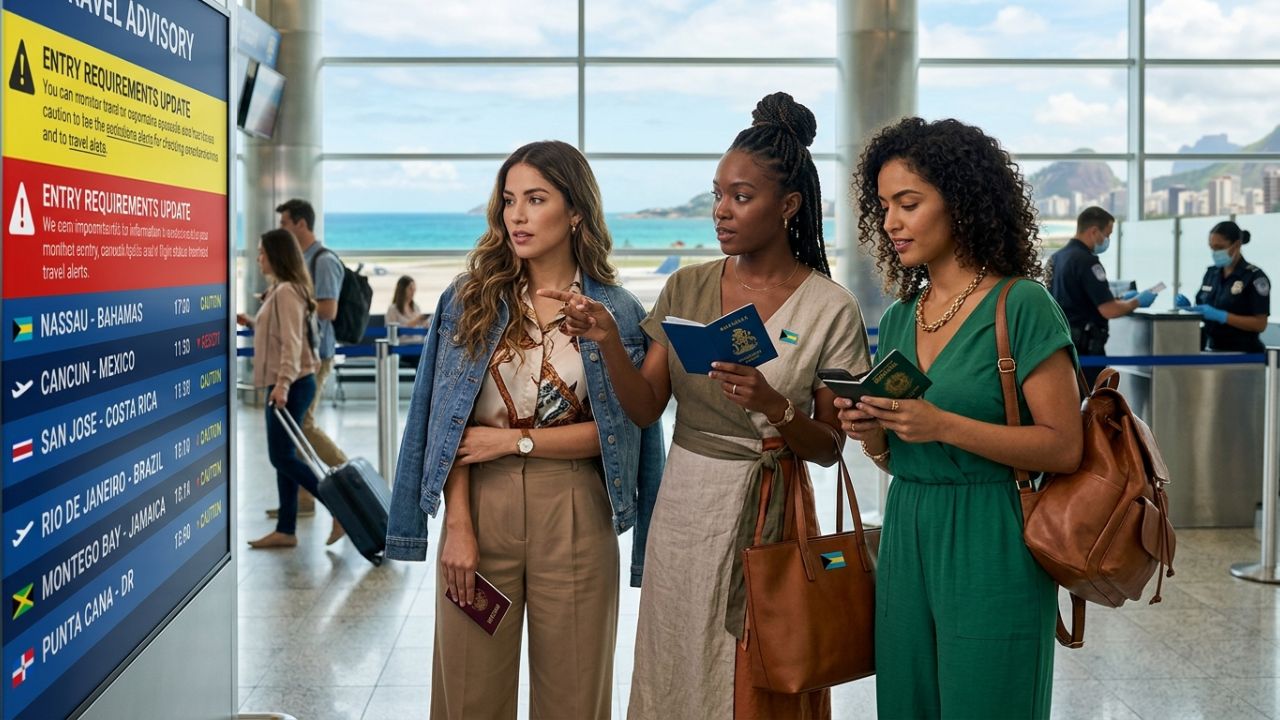
Image generated by AI
A significant critical travel advisory has been issued by Canadian authorities today, as Global Affairs Canada warns holidaymakers heading to the Bahamas, Mexico, Jamaica, Brazil, Costa Rica, Guatemala, and the Dominican Republic about heightened travel risks. Citing border instability, updated passport validity requirements, and sudden security challenges, the official alert urges travelers to exercise extreme vigilance even within well-frequented coastal resorts and major urban centers. With peak summer travel seasons fast approaching, Canadians are being advised to secure their travel documents, avoid high-risk border zones, and follow local municipal guidelines to ensure a safe vacation.
Quick Summary
- New Travel Warnings: Canadian authorities have elevated security notices for seven major sun-and-city destinations due to border closures, passport rules, and localized crime.
- Island Guidelines: Tourists heading to the Bahamas (Nassau and Freeport) and Jamaica are cautioned against petty theft, walk-alone hazards at night, and online financial fraud.
- Border Instabilities: High-risk borders near Mexico (Chiapas, Guerrero) and the completely closed Dominican Republic-Haiti border require strict avoidance.
- South American Regulations: Brazil enforces mandatory tourist, business, or student visas, alongside strict security advisories in Rio de Janeiro's favelas and international land borders.
- Duty of Care: Canadian travelers are urged to register with local embassies, secure passports in hotel safes, and choose accredited transport partners.
Context: Global Border Stability and Safety Alerts
The release of this comprehensive critical travel advisory by Global Affairs Canada on May 17, 2026, highlights growing operational pressures within the Caribbean and Latin American tourism markets. As international passenger traffic nears peak summer levels, localized security issues and changing immigration policies are requiring travelers to take a more proactive approach to trip planning.
Rather than assuming all resort corridors are fully insulated, the Canadian government is advising travelers to remain alert to changing local regulations, entry requirements, and regional security variations. By outlining country-specific risks, this safety brief ensures that Canadian vacationers can navigate borders safely, verify their passport validity early, and avoid high-conflict zones altogether.
Specific Country Guidelines and Entry Requirements
The critical travel advisory details specific safety and entry requirements for each of the seven high-profile tourist destinations:
Bahamas: Nassau and Freeport Beach Safety
While the Bahamas remains a premier tropical magnet, Canadian authorities advise travelers to exercise heightened vigilance in Nassau, Freeport, and surrounding resort zones.
- Security Threats: Pickpocketing, bag snatching, and opportunistic theft in crowded markets, cruise terminals, and hotel lobbies remain common.
- Boating & Recreation: Use only official, licensed docking facilities. Life jackets are legally mandatory for all passengers on recreational vessels, and visitors must stay clear of restricted snorkeling and diving zones.
- Entry Requirements: Inbound travelers must possess a passport valid for at least six months beyond their scheduled departure date. Those traveling on official or temporary travel documents must confirm entry conditions with Bahamian authorities prior to boarding.
Mexico: Border Alerts and ATM Security
Safety and border stability in Mexico vary widely by region, requiring careful route planning.
- High-Risk Zones: Non-essential travel is strongly discouraged in high-risk states, including Chiapas, Guerrero, Michoacán, and Sinaloa.
- Transport Safety: Prefer air travel to avoid highway complications, and strictly avoid nighttime road transits near the United States, Guatemala, and Belize borders. Safeguard bags during public demonstrations, which can unexpectedly halt transit networks.
- Financial Fraud: ATM and credit card fraud remain highly prevalent. Tourists must shield PIN pads, utilize only indoor bank-monitored ATMs, and monitor statements for suspicious readers.
- Visa Rules: Tourist and business visas are not required for stays under 180 days, provided Canadian passports meet validity requirements.
Jamaica: Vigilance Outside Major Resorts
Travelers to Jamaica must maintain high situational awareness, particularly outside the highly secure resort corridors.
- Safety Protocols: Exercise caution outside Kingston, Montego Bay, and St. Catherine. Avoid walking alone after dark, travel in groups, and never resist robbery attempts.
- Regional Highway Controls: Police and military checkpoints are frequently active on primary corridors like the A1 highway. Additionally, online scams, dating fraud, and social media extortion schemes are rising, requiring travelers to avoid high-risk local interactions.
- Visa Rules: Canadians can enter Jamaica for up to 90 days visa-free, with extensions available through local immigration offices.
Costa Rica: Natural Adventures and Local Crime
Costa Rica is a haven for eco-tourism, but visitors face frequent petty crime and occasional violent incidents.
- Key Risks: Pickpocketing, vehicle break-ins, and hotel residential thefts are common in high-traffic zones like Jacó, Manuel Antonio, Puntarenas, and Puerto Viejo. Violent, drug-related incidents occur primarily in the provinces of Alajuela, Limón, Puntarenas, and San José.
- Prohibited Activities: Avoid isolated parks or beaches after dark. Political demonstrations can disrupt highway transport, and foreign nationals are strictly prohibited from participating in political gatherings.
- Border & Visas: Stays up to 180 days do not require a tourist visa, but travelers must present proof of onward travel and sufficient funds. Dual-citizen minors require formal departure permissions signed by both parents.
Guatemala: Roadblocks and Express Kidnappings
Guatemala requires absolute caution due to unpredictable roadblocks, local demonstrations, and urban security risks.
- Sensitive Sectors: High vigilance is required within Guatemala City and municipalities such as San Pedro Ayampuc, Villa Canales, and San José in Escuintla.
- Express Kidnappings: Organized groups continue to execute express kidnappings, forcing victims to withdraw funds from multiple ATMs. Carry minimal cash, secure your lodging, and hide mobile phones in public. Use only pre-arranged reputable taxis or ride-sharing services; avoid street-hailing.
- Visa Rules: Stays up to 90 days are visa-free, with passports requiring a minimum of six months validity.
Dominican Republic: Closed Borders and Resort Security
The security situation in the Dominican Republic is heavily influenced by regional border closures.
- Border Closed: The land and sea border with Haiti remains completely closed to all travelers.
- Resort Protections: Stay in secure resorts with strict security. Petty theft, including phone snatching from vehicles and streets, is common. Do not resist if confronted by criminals.
- Local Scams: Reports of sexual assault and tourist-targeted scams near legal aid offices exist. Ensure cyber safety on public Wi-Fi networks and use indoor ATMs.
- Visa Rules: Stays up to 30 days are visa-free with a passport valid for the duration of stay. Longer stays require official residency or work permits.
Brazil: Favelas and Visa Restrictions
Brazil requires a high level of urban awareness and compliance with formal immigration laws.
- High-Risk Zones: Strictly avoid entering uncharted urban neighborhoods or favelas, particularly Rio de Janeiro's Complexo da Maré and Complexo da Penha, without local guidance. Keep vehicles locked and bags out of sight.
- Border Controls: Border regions with Argentina, Bolivia, Colombia, and Venezuela require heightened vigilance due to smuggling and instability. Be alert during festivals, markets, and on crowded beaches.
- Visa Requirements: Canadians must possess a valid tourist, business, or student visa. Extensions beyond 90 days require authentication from the Federal Police.
Crucial Travel Risks and Unexpected Threats
The critical travel advisory highlights several operational threats that travelers must account for:
- Border Instability: Operating near closed borders, such as the Dominican Republic-Haiti border, exposes travelers to sudden security sweeps and transport shutdowns.
- Express Kidnapping Schemes: Organized groups in urban Guatemala and Brazil target travelers near ATMs, forcing them to make high-value withdrawals.
- Online Extortion Fraud: Cybercrime and dating scams on social media in Jamaica target unsuspecting tourists, leading to severe financial losses.
- Demonstration Disruptions: Unexpected political roadblocks and protests in Costa Rica and Mexico can halt highway transit, causing missed flights.
- Dual-Citizenship Minor Restrictions: Dual-citizen minors in Costa Rica who lack written departure permits from both parents face immediate detention at airport exit gates.
What Government Authorities Are Recommending
The Canadian government is advising travelers to prioritize safety, preparedness, and compliance with local laws. By registering with the Registration of Canadians Abroad service, travelers ensure that consular teams can contact them in the event of an emergency.
Consular services recommend the following actions:
- Valuable Security: Store passports, backup documents, and valuable jewelry in hotel safes.
- Official Transit Only: Utilize only pre-booked hotel shuttles or reputable ride-sharing apps. Never hail street taxis in sensitive urban centers.
- Absolute Compliance: Follow all instructions from local military and police checkpoints, especially along highways in Mexico and Jamaica.
Practical Traveler Advice: How to Safeguard Your Vacation
To ensure your international trip remains safe, follow these prioritized steps:
- Verify Passport Validity Early: Ensure your Canadian passport is valid for at least six months beyond your departure date, especially when traveling to the Bahamas and Guatemala.
- Avoid Border Crossing Zones: Stay clear of high-conflict borders, including the closed Haiti border and regional land borders in Mexico and Brazil.
- Use Public ATMs with Caution: Shield your PIN entry, check for card skimming devices, and utilize only bank-monitored ATMs in broad daylight.
- Secure Dual-Citizen Permissions: If traveling to Costa Rica with a dual-citizen minor, secure formal, notarized departure permissions from both parents before heading to the gate.
- Maintain Communication Channels: Keep local embassy contact details handy, monitor local media, and stay connected with family back home.
Broader Context: Why Geopolitical and Local Safety Matters
Understanding regional geopolitics and municipal safety variations is a critical part of modern travel. For years, the Caribbean and Latin America have served as premier tourist magnets.
However, changing border conditions and economic pressures have led to localized security challenges. By understanding the reasons behind this critical travel advisory, Canadians can make informed decisions, respect local security restrictions, and ensure their holiday plans remain safe and enjoyable.
What to Expect Next: Border Control and Policy Monitoring
Looking ahead, border security and passport control measures are expected to remain tight throughout the peak summer travel season. Global Affairs Canada will continue to monitor regional security variations and update advisories as conditions shift.
Travelers should expect continued military and police checkpoints along primary highways in Mexico and Jamaica, and strict document checks at exit gates in Costa Rica. By staying proactive, maintaining flexible travel plans, and prioritizing personal security, Canadian holidaymakers can continue to enjoy these spectacular destinations responsibly.
Conclusion
The latest critical travel advisory serves as an essential guide for Canadians planning journeys to the Caribbean and Latin America. By staying informed about border closures, passport protocols, and regional safety concerns, travelers can take proactive steps to secure their documents and avoid high-risk zones. Preparedness, situational awareness, and respect for local regulations remain the cornerstones of a safe, rewarding, and memorable vacation in these beautiful destinations.
Frequently Asked Questions (FAQ)
1. Why has Canada issued a critical travel advisory for the Bahamas and Mexico?
Canada issued the advisory due to localized border instability, updated passport protocols, and unexpected safety challenges, urging travelers to exercise extra vigilance even within popular resort zones and urban centers.
2. What are the passport validity rules for the Bahamas and Guatemala?
Canadian travelers must possess a passport valid for at least six months beyond their scheduled departure date to enter the Bahamas and Guatemala.
3. Are tourist visas required for Canadians entering Brazil?
Yes, Canada has confirmed that Canadians must possess a valid tourist, business, or student visa to enter Brazil. Extensions beyond 90 days require authentication from the Federal Police.
4. What is the current status of the Dominican Republic-Haiti border?
The land and sea border between the Dominican Republic and Haiti is completely closed to all travelers. Consular authorities advise staying far clear of this border zone.
5. What is an express kidnapping, and how can I prevent it in Guatemala?
An express kidnapping is a short-term abduction where victims are forced to withdraw cash from multiple ATMs. To prevent this, carry minimal cash, hide mobile devices in public, and use only reputable pre-arranged transport apps instead of street-hailing taxis.
Disclaimer
This article is for informational and educational purposes only. It does not constitute legal, financial, or professional advice. While we strive to provide accurate and up-to-date information, travel policies, regulations, and conditions change rapidly. Always verify information with official sources before making travel decisions. Nomad Lawyer makes no representations about the accuracy, reliability, completeness, or suitability of the information provided. Readers should consult qualified professionals for advice specific to their circumstances. The views expressed in this article are those of the author and do not necessarily reflect the views of Nomad Lawyer.
Kunal K Choudhary
Co-Founder & Contributor
A passionate traveller and tech enthusiast. Kunal contributes to the vision and growth of Nomad Lawyer, bringing fresh perspectives and driving the community forward.
Learn more about our team →