
WTTC Hosts US Tourism Envoy Nick Adams for Historic Egypt Address
US Special Presidential Envoy Nick Adams delivered his inaugural global address at WTTC in Egypt, signaling renewed American commitment to global tourism recovery and policy leadership in 2026.

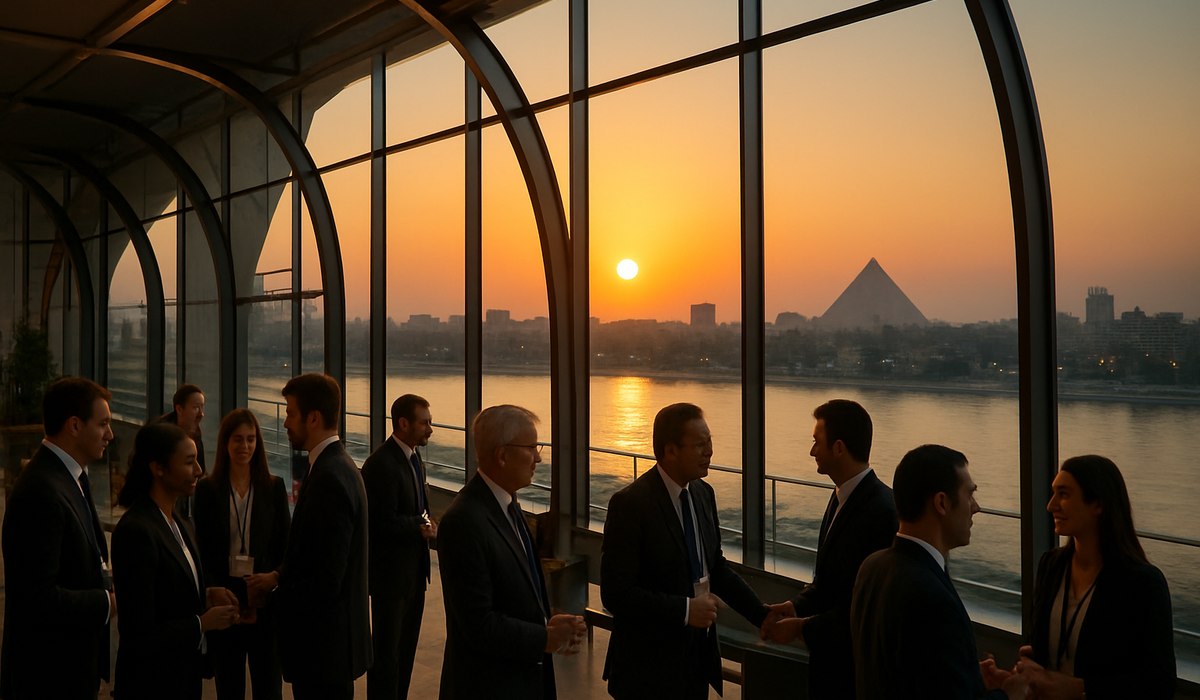
Image generated by AI
US Envoy Makes Historic First Global Address at WTTC Summit in Egypt
Nick Adams, the newly appointed US Special Presidential Envoy for Tourism, delivered his inaugural international address at the World Travel & Tourism Council summit in Egypt. The milestone event underscores America's reinvigorated commitment to the global tourism sector. Held in Cairo, the address highlighted the US administration's focus on policy innovation, cross-border investment, and collaborative public-private partnerships. This pivotal moment signals that Washington is positioning itself as a leading voice in post-pandemic tourism recovery and sustainable growth strategies.
Adams' Historic First Address in Egypt
Nick Adams' maiden global address marked a significant turning point for American tourism diplomacy. Speaking at the WTTC gathering, Adams outlined the US government's strategic priorities for the international travel industry. His remarks emphasized the importance of rebuilding visitor confidence while maintaining robust safety protocols and security standards across destinations.
The choice of Egypt as the venue carries symbolic weight, reflecting the region's critical role in global tourism recovery. Egypt, home to iconic attractions like the pyramids and the Nile River, has been working to restore its tourism infrastructure after pandemic-related challenges. By delivering his first international address here, Adams demonstrated America's commitment to supporting recovery efforts in emerging and established tourism markets alike. The event was attended by industry leaders, government officials, and tourism ministers from dozens of countries.
US Renewed Commitment to Global Tourism Leadership
The WTTC hosts tourism sector representatives annually, but having a US presidential envoy deliver a keynote address represents an elevated diplomatic engagement. The United States has historically played a central role in international tourism policy, and this appointment signals renewed investment in that leadership. Adams' presence indicates the Biden administration views tourism recovery as integral to broader economic and geopolitical objectives.
American tourism contributes over $2 trillion annually to the global economy, making US engagement critical for the industry's health. By appointing a dedicated presidential envoy, the administration has created a single point of contact for tourism-related matters at the highest levels of government. This structural commitment ensures that travel and tourism concerns receive sustained attention alongside traditional trade and commerce agendas. The move aligns with broader initiatives to support American hospitality workers and destination marketing organizations globally.
Focus on Policy and Public-Private Partnerships
Adams emphasized the importance of bridging government initiatives with private sector innovation. WTTC hosts tourism stakeholders who recognize that recovery cannot rely solely on public funding or policy alone. Sustainable growth requires coordinated efforts between airlines, hotels, destination marketing organizations, travel technology companies, and government agencies.
The envoy highlighted several key policy areas during his address. These included digital transformation in travel documentation, visa facilitation measures, and cybersecurity standards for tourism platforms. Adams also stressed the need for inclusive recovery that supports small and medium-sized tourism enterprises alongside major international brands. Public-private partnerships were identified as the optimal mechanism for achieving these goals, with emphasis on knowledge-sharing and joint investment in tourism infrastructure. The address outlined concrete frameworks for collaboration, including dedicated working groups on sustainability, workforce development, and crisis preparedness.
Strategic Implications for the Travel Sector
Nick Adams' appointment and his Egypt address carry substantial implications for travelers, tourism businesses, and destinations worldwide. The renewed US commitment signals stabilization in international travel patterns and potential policy changes that could ease cross-border movement. Investors monitoring the tourism sector can interpret this diplomatic engagement as a signal of long-term recovery and growth potential.
For destination marketing organizations, particularly in emerging markets, the renewed US engagement offers opportunities for partnership and funding. The envoy's role includes facilitating connections between American tourism businesses and international counterparts. This could accelerate infrastructure development, workforce training programs, and destination branding initiatives in underserved regions. Airlines and hospitality groups operating internationally may benefit from clearer policy frameworks and reduced regulatory uncertainty. The WTTC hosts tourism discussions regularly, but having direct US envoy participation elevates the profile of these conversations and increases the likelihood of actionable outcomes that benefit the entire ecosystem.
| Aspect | Details | Impact |
|---|---|---|
| Position | US Special Presidential Envoy for Tourism | Cabinet-level attention to travel sector |
| Venue | World Travel & Tourism Council Summit in Egypt | Regional recovery focus and symbolic importance |
| Primary Focus | Policy, investment, public-private partnerships | Structured approach to sustainable growth |
| Key Initiatives | Digital travel docs, visa facilitation, cybersecurity | Practical improvements for travelers |
| Timeline | Inaugural address May 2026 | Beginning of coordinated US engagement |
| Expected Outcomes | Enhanced international collaboration and funding | Accelerated recovery in emerging markets |
What This Means for Travelers
The WTTC hosts tourism sector leadership regularly, and Nick Adams' presence indicates substantive changes ahead for international travelers.
-
Expect Smoother Visa Processing: The envoy's emphasis on visa facilitation suggests US consulates may streamline processing for tourism applicants, reducing wait times and documentation burdens.
-
Digital Travel Credentials Accelerating: Adams highlighted digital documentation standards, meaning travelers will likely transition away from paper visas and physical documents toward mobile-based credentials within two to three years.
-
Safer Cybersecurity Standards: New protocols discussed at WTTC will protect traveler data across airline, hotel, and booking platforms, reducing identity theft and fraud risks.
-
More Affordable Travel Options: Public-private partnerships could stimulate competition and innovation, potentially lowering airfares and accommodation costs in developing destinations.
-
Enhanced Destination Infrastructure: Emerging markets receiving US partnership support will likely see improved transportation, accommodation quality, and safety standards, creating more reliable travel experiences.
-
Sustainable Tourism Growth: Policy emphasis on inclusive recovery means better conditions for travelers visiting smaller cities and rural destinations, not just major tourist hubs.
Frequently Asked Questions
Who is Nick Adams and why does his role matter for tourism? Nick Adams serves as the US Special Presidential Envoy for Tourism, a cabinet-level position focused on advancing American interests in the global travel industry. His role ensures tourism receives sustained attention in foreign policy and trade negotiations, directly benefiting travelers through clearer regulations and stronger international cooperation.
Where was Nick Adams' first international address held? Adams delivered his inaugural global address at the World Travel & Tourism Council summit in Egypt. The choice of Egypt underscores America's commitment to supporting tourism recovery across diverse regions, from established markets to emerging destinations seeking growth.
What are the main policy priorities Adams outlined? Key priorities include digital transformation of travel documentation, streamlined visa processes, enhanced cybersecurity standards, and sustainable tourism development. These initiatives aim to balance recovery with responsible growth that benefits both travelers and local communities.
How might this affect international travel in 2026 and beyond? Renewed US leadership in tourism diplomacy could accelerate infrastructure improvements, reduce travel bureaucracy, and stabilize global tourism patterns. Travelers may experience faster visa processing, mobile-based travel credentials, and safer digital platforms for bookings and data storage.
Related Travel Guides
- Hotel European Industry Defies 2026 Challenges—Luxury Leads Recovery
- The Best (and Worst) Times to Visit Vietnam, According to Experts in 2026
- Air Canada Takes Delivery of First Airbus A321XLR: A Strategic Shift in Long-Range Narrowbody Operations
Disclaimer
This article reports on announcements made by the World Travel & Tourism Council and statements attributed to US government representatives regarding international tourism policy. Information reflects publicly available announcements as of May 2026. For the most current visa requirements, travel documentation standards, and safety protocols, consult the US State Department's official travel advisory website and your destination country's tourism ministry. Always verify specific policies directly with your airline, hotel, or travel provider before booking or departing, as regulations may change without advance notice.
Disclaimer
This article is for informational and educational purposes only. It does not constitute legal, financial, or professional advice. While we strive to provide accurate and up-to-date information, travel policies, regulations, and conditions change rapidly. Always verify information with official sources before making travel decisions. Nomad Lawyer makes no representations about the accuracy, reliability, completeness, or suitability of the information provided. Readers should consult qualified professionals for advice specific to their circumstances. The views expressed in this article are those of the author and do not necessarily reflect the views of Nomad Lawyer.
Kunal K Choudhary
Co-Founder & Contributor
A passionate traveller and tech enthusiast. Kunal contributes to the vision and growth of Nomad Lawyer, bringing fresh perspectives and driving the community forward.
Learn more about our team →