
Air Canada Takes Delivery of First Airbus A321XLR: A Strategic Shift in Long-Range Narrowbody Operations
Breaking airline news and aviation industry updates for 2026.

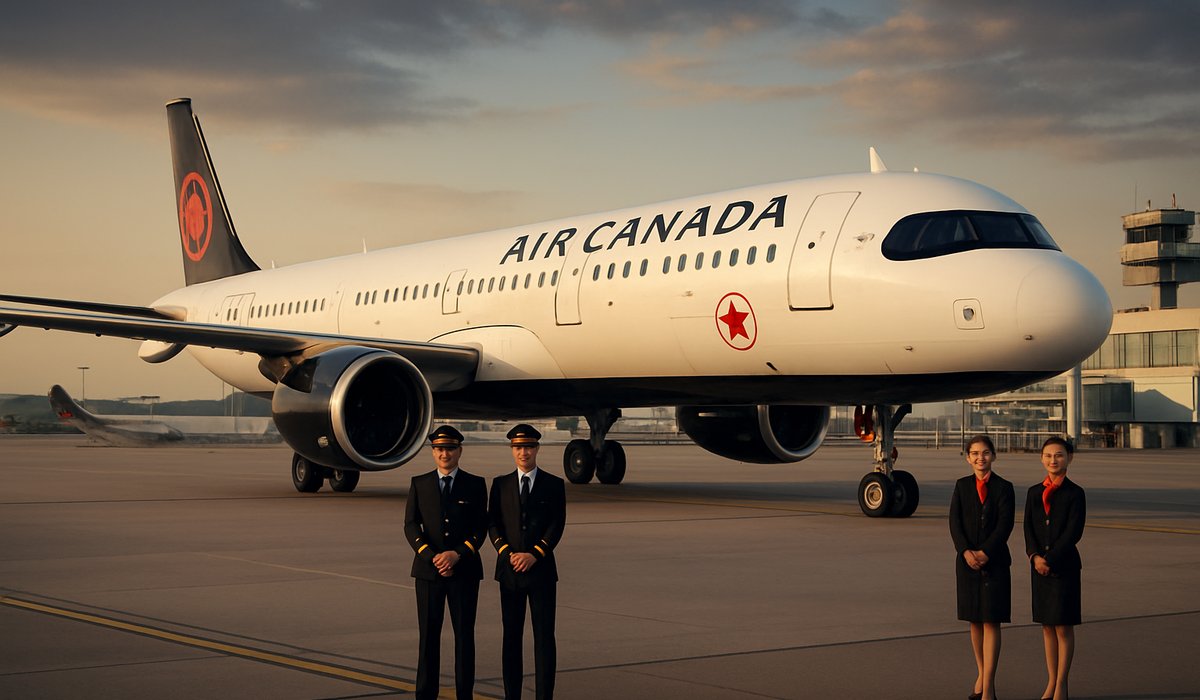
Image generated by AI
Air Canada Takes Delivery of First Airbus A321XLR: A Strategic Shift in Long-Range Narrowbody Operations
The Canadian carrier's flagship aircraft marks a pivotal transition in fleet modernization and transatlantic route strategy
Historic Handover Signals New Chapter for Canadian Aviation
Air Canada has officially accepted delivery of its inaugural Airbus A321XLR in Hamburg, Germany, signaling a watershed moment for the nation's largest carrier. The long-range narrowbody aircraft—fresh from its maiden flight last month—is now en route to Canadian operations, where it will anchor a transformative fleet modernization program spanning three decades of aircraft orders.
The milestone represents Air Canada's commitment to modernizing its narrowbody operations and expanding its capacity on high-density, long-haul routes. With 30 A321XLR aircraft on firm order, the carrier is positioning itself to compete more aggressively on transatlantic and transcontinental services while managing fuel efficiency and operating costs in an increasingly volatile energy market.
What the A321XLR Means for Air Canada's Future
The extended-range variant offers Air Canada a competitive advantage in an evolving aviation landscape. The A321XLR can operate routes of up to 4,700 nautical miles—extending the carrier's narrowbody reach to European destinations from North American hubs—while consuming roughly 30% less fuel per seat than larger widebody alternatives.
This efficiency metric carries significant weight as airlines navigate persistent jet fuel price pressures and mounting operational expenses. By deploying narrowbody aircraft on previously widebody-dominated markets, Air Canada can reduce per-seat costs and improve load factors, ultimately affecting ticket pricing and ancillary revenue strategies including baggage charges and seat selection fees.
Fleet Expansion Amid Industry Headwinds
The delivery comes as the aviation industry contends with extended aircraft wait times, supply chain constraints, and fluctuating fuel markets that continue shaping airline economics. Air Canada's 30-aircraft A321XLR commitment positions the carrier ahead of most North American peers in securing next-generation narrowbody capacity for premium long-haul operations.
The aircraft's arrival also underscores Airbus's ability to deliver on its A321XLR program commitments after multiple delays plagued initial production timelines. For Air Canada, this translates into gradual fleet renewal that will retire aging narrowbody variants and enhance operational flexibility across its network.
Broader Implications for North American Aviation
This development reflects a broader industry trend: major carriers increasingly recognizing the economic viability of high-capacity narrowbody operations for premium routes. As airlines optimize fleet composition to balance fuel costs against revenue generation, the A321XLR represents a strategic middle ground between regional narrowbodies and inefficient widebody deployments.
Air Canada's phased introduction of these aircraft will reshape competitive dynamics on key transatlantic and transcontinental corridors, potentially influencing pricing structures and service offerings across the sector.
FAQ: Air Canada A321XLR and Modern Aviation Economics
What is the Airbus A321XLR and why does it matter for Air Canada? The A321XLR is an extended-range narrowbody aircraft capable of flying 4,700+ nautical miles while achieving 30% better fuel efficiency than traditional widebodies. For Air Canada, it enables profitable long-haul narrowbody operations, reducing jet fuel consumption and per-seat operating costs across premium routes.
How does the A321XLR affect airline baggage fees and ticket pricing? Enhanced fuel efficiency allows carriers to reduce overall operational costs, which can theoretically lower ticket prices and baggage charges. However, airlines typically maintain pricing power on premium routes, so savings may translate to improved profit margins rather than immediate consumer benefits.
When will Air Canada begin commercial A321XLR operations? While the first aircraft has been delivered, commercial service introduction typically requires certification, crew training, and route planning. Expect revenue service to commence within months of delivery.
How many airlines have ordered the A321XLR? Multiple global carriers including Air Canada, Swiss International Air Lines, and others have placed orders. Air Canada's 30-aircraft commitment represents one of the largest single orders for this aircraft variant.
What impact does this have on jet fuel costs and airline economics? The A321XLR's fuel efficiency insulates Air Canada from some volatility in jet fuel markets by reducing consumption per available seat kilometer, providing competitive advantage during periods of elevated energy prices.
Related Travel Guides
Flight Delay Compensation Guide 2026
Understanding Airline Route Changes
Airport Security Process Updated (2026)
External Resources
Disclaimer
This article is for informational and educational purposes only. It does not constitute legal, financial, or professional advice. While we strive to provide accurate and up-to-date information, travel policies, regulations, and conditions change rapidly. Always verify information with official sources before making travel decisions. Nomad Lawyer makes no representations about the accuracy, reliability, completeness, or suitability of the information provided. Readers should consult qualified professionals for advice specific to their circumstances. The views expressed in this article are those of the author and do not necessarily reflect the views of Nomad Lawyer.
Raushan Kumar
Founder & Lead Developer
Full-stack developer with 11+ years of experience and a passionate traveller. Raushan built Nomad Lawyer from the ground up with a vision to create the best travel and law experience on the web.
Learn more about our team →