
WTTC Hosts Tourism Envoy Nick Adams in Egypt for Inaugural Global Address
US Special Presidential Envoy for Tourism Nick Adams delivered his first international address at the World Travel & Tourism Council summit in Egypt, signaling renewed American commitment to global travel sector recovery in 2026.

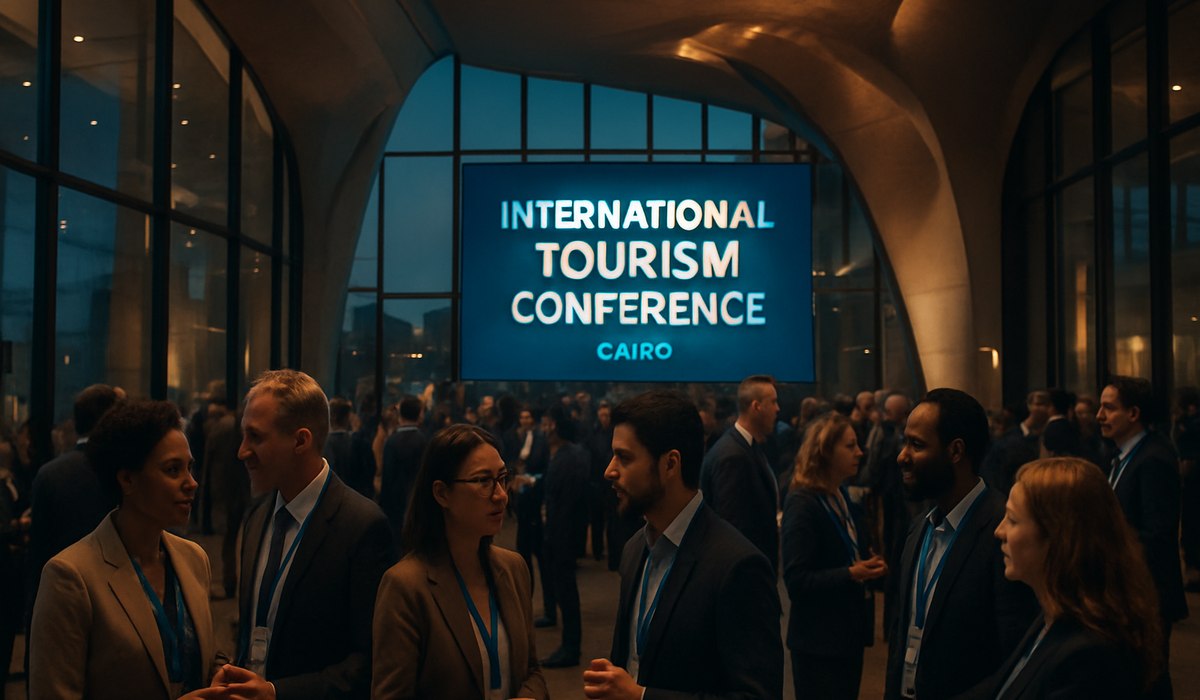
Image generated by AI
US Tourism Envoy Makes Historic First International Address
Nick Adams, the newly appointed US Special Presidential Envoy for Tourism, delivered his inaugural global address at the World Travel & Tourism Council summit in Egypt on May 8, 2026. This milestone moment underscores the United States' reinvigorated commitment to leading international tourism recovery and establishing America as a central player in shaping the future of global travel policy. The strategic platform at the WTTC event in Egypt amplified Adams' message to industry leaders, government officials, and travel professionals from across the world.
The envoy's presence at the summit marks a turning point in how Washington approaches international tourism diplomacy. By selecting Egypt—a nation critical to Middle Eastern and African travel connectivity—as the venue for his first remarks, the US demonstrated deliberate focus on rebuilding cross-regional travel relationships and positioning America as an engaged partner in emerging tourism markets.
Focus on Policy, Investment, and Public-Private Collaboration
The core of Adams' address centered on three pillars essential to tourism recovery: comprehensive policy frameworks, strategic capital investment, and meaningful collaboration between government and private sector entities. The WTTC hosting of this address provided an authoritative platform for discussing how nations and travel companies can align their interests to accelerate sector growth.
Adams emphasized that tourism isn't merely an economic indicator—it's a diplomatic tool and cultural bridge. His remarks spotlighted the importance of removing travel barriers, streamlining visa procedures, and creating competitive conditions that encourage international visitors to choose American destinations. The envoy also called for increased public-private partnerships where government agencies work alongside airlines, hotels, and destination marketing organizations to strengthen resilience against future disruptions.
Investment in tourism infrastructure, modernized digital systems, and workforce development were highlighted as prerequisites for sustainable growth. By framing these initiatives at a global summit, Adams signaled that US tourism ambitions extend beyond domestic recovery to include influence over international standards and best practices. Learn more about WTTC's mission and member organizations to understand how this summit influences travel industry direction.
Strengthening America's Leadership in Global Travel Recovery
The United States tourism sector faced significant headwinds in recent years, but 2026 marks a watershed moment for reassertion of American leadership. Adams' international address demonstrates that Washington recognizes tourism's strategic importance to economic resilience, job creation, and soft power influence abroad.
When wttc hosts tourism discussions, the outcomes shape policy across member nations representing over 170 countries. By placing the US envoy front-and-center, America signals its intent to participate actively in setting the agenda for tourism's post-disruption future. This engagement contrasts with periods of reduced diplomatic focus on travel and tourism sectors.
The WTTC summit in Egypt also highlighted how tourism recovery varies by region. Middle Eastern destinations, African gateways, and Mediterranean hubs face distinct challenges requiring customized solutions—a theme Adams addressed by acknowledging regional differences while promoting universal principles of openness, safety, and traveler-friendly policies. His remarks positioned the US as willing to support capacity-building initiatives in emerging tourism markets, creating reciprocal benefits for American tourism businesses seeking international expansion opportunities.
What This Means for the Tourism Industry
The envoy's inaugural address carries tangible implications for travel companies, destination marketers, hospitality operators, and tourism professionals worldwide. Industry stakeholders should anticipate several near-term developments flowing from this renewed US commitment.
First, expect acceleration in bilateral tourism agreements and visa facilitation discussions between the US and priority markets. Second, watch for increased federal support and funding for tourism marketing, infrastructure upgrades, and workforce training programs. Third, airlines and hotel groups should monitor policy discussions around labor standards, sustainability metrics, and digital infrastructure that may influence international competitiveness. The WTTC hosts tourism conversations that inevitably influence regulatory environments; companies active in these spaces gain strategic advantage through participation and awareness.
Additionally, tour operators and travel agencies targeting American outbound tourism may see expanded resources dedicated to destination development in underserved markets. Adams' emphasis on public-private collaboration suggests the federal government will actively seek private sector input when crafting tourism policy—creating opportunities for industry voices to shape regulations and initiatives that affect their bottom lines.
Key Developments at a Glance
| Metric | Details |
|---|---|
| Event | World Travel & Tourism Council Summit, Egypt |
| Date | May 8, 2026 |
| Speaker | Nick Adams, US Special Presidential Envoy for Tourism |
| Event Type | First International Address |
| Primary Focus | Policy frameworks, investment, public-private collaboration |
| Geographic Scope | 170+ countries represented through WTTC membership |
| Strategic Implication | Renewed US leadership in global tourism recovery |
| Expected Outcomes | Accelerated bilateral agreements, visa facilitation discussions |
What This Means for Travelers
The US tourism envoy's summit address and renewed diplomatic engagement have direct and indirect benefits for leisure and business travelers. Here's what matters for your travel plans:
-
Smoother Visa Processing: Expect streamlined visa application procedures and potentially faster processing times as US-friendly bilateral agreements take effect. Priority processing corridors may expand in key markets.
-
Enhanced Airport and Border Infrastructure: Increased federal investment in tourism infrastructure means upgrades to major gateways, border facilities, and customs technology that reduce delays and improve traveler experience.
-
Better Destination Options: Private-sector collaboration will likely result in improved amenities, safety upgrades, and traveler services at both established and emerging destinations, particularly in Egypt and other regions featuring at the WTTC summit.
-
Competitive Pricing: Industry-wide efficiency gains from policy improvements and infrastructure investment may moderate airfare and accommodation costs as competition intensifies and operational expenses decline.
-
Expanded Loyalty Programs: Airlines and hotel brands will compete more aggressively for international leisure travelers, potentially offering enhanced loyalty benefits and value propositions.
Frequently Asked Questions
What is the role of the US Special Presidential Envoy for Tourism?
The envoy serves as the principal representative of the US government on tourism matters, developing policy recommendations, fostering international partnerships, and coordinating federal agencies involved in travel and tourism promotion. The position bridges diplomacy, commerce, and economic development across international borders.
How does the WTTC influence global tourism policy?
The World Travel & Tourism Council convenes government leaders and private sector executives to discuss industry-wide challenges, set standards, and recommend policy frameworks. When wttc hosts tourism forums, the resulting consensus shapes regulations and initiatives across member nations and influences international travel norms.
Will Nick Adams' address lead to immediate visa changes?
While immediate policy changes are unlikely, the address signals intention to prioritize visa facilitation and bilateral negotiations. Concrete changes typically follow within 6-18 months as formal agreements are negotiated and implemented between the US State Department and partner nations.
Which countries are likely to see US tourism focus first?
Nations with high visa denial rates, significant US traveler volume, or strategic economic importance—including Egypt, Mexico, Canada, and Caribbean island nations—are probable priorities for early bilateral tourism agreements and policy initiatives.
Related Travel Guides
- Plan the Best Greece Trip: Ideal Weather, Fewer Crowds, Lower Costs (2026)
- Japan Aviation Chaos: 235 Delays and 14 Cancellations Hit Narita, Fukuoka, and Regional Hubs
- Qatar Airways Suspends Routes: Tokyo, Moscow Impact March 2026
Disclaimer
This article summarizes publicly reported information regarding the WTTC summit in Egypt and Nick Adams' address on May 8, 2026. Details derive from official tourism industry announcements and news coverage. For authoritative information on US tourism
Disclaimer
This article is for informational and educational purposes only. It does not constitute legal, financial, or professional advice. While we strive to provide accurate and up-to-date information, travel policies, regulations, and conditions change rapidly. Always verify information with official sources before making travel decisions. Nomad Lawyer makes no representations about the accuracy, reliability, completeness, or suitability of the information provided. Readers should consult qualified professionals for advice specific to their circumstances. The views expressed in this article are those of the author and do not necessarily reflect the views of Nomad Lawyer.
Kunal K Choudhary
Co-Founder & Contributor
A passionate traveller and tech enthusiast. Kunal contributes to the vision and growth of Nomad Lawyer, bringing fresh perspectives and driving the community forward.
Learn more about our team →