
Why Zacatecas Mexico Is the Silver City Escape Travellers Are Starting to Notice
Why Zacatecas Mexico Is the Silver City Escape Travellers Are Starting to Notice

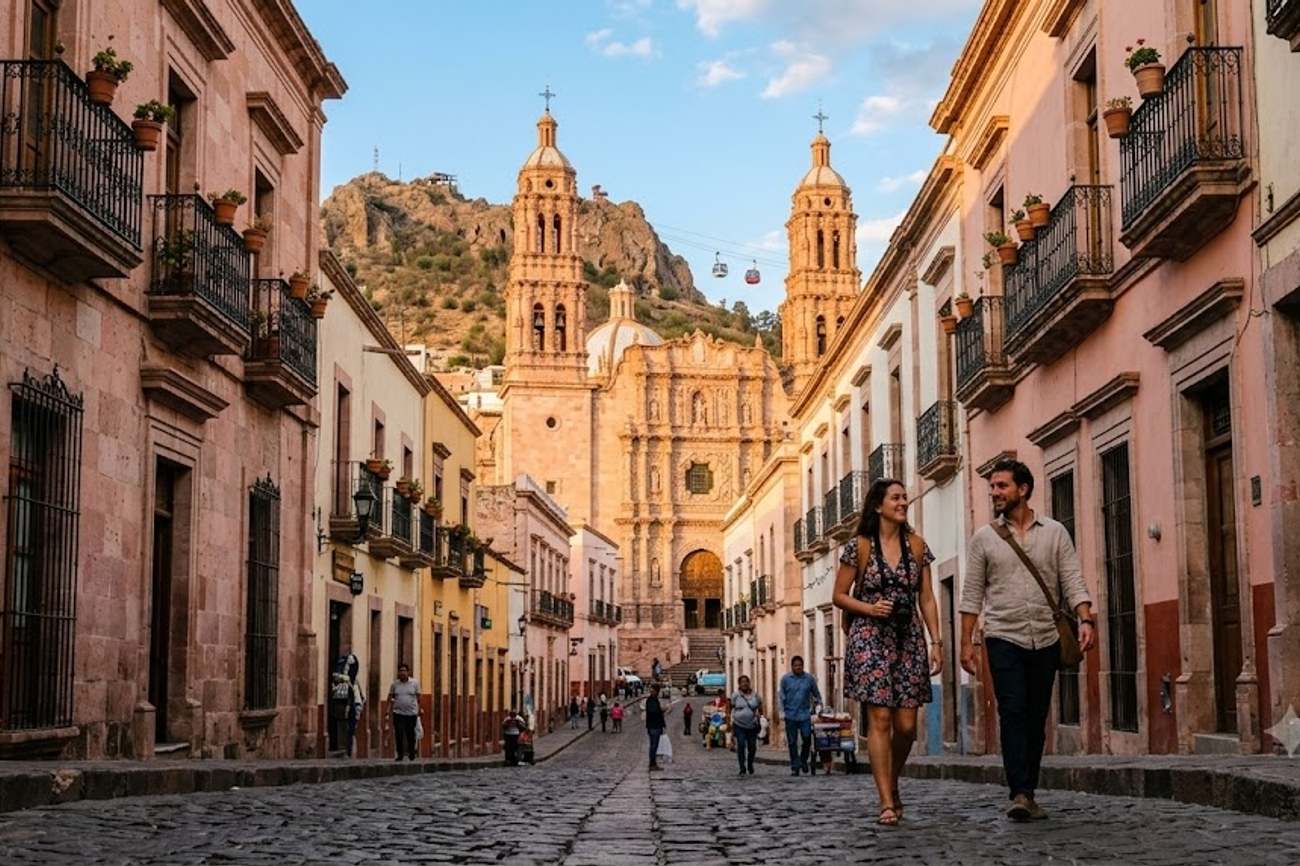
Image generated by AI
International tourist arrivals to Mexico have surged from 30.3 million in 2015 to over 42 million in recent peak years, yet the distribution of these visitors remains heavily skewed toward the "Sun and Beach" corridor of Quintana Roo and Jalisco. This disparity highlights a significant market gap: while coastal hubs operate at near-capacity, the colonial highlands of Central Mexico, specifically Zacatecas, remain an underutilized asset for high-value cultural tourism.
The Silver Economy in Numbers: Zacatecas’ Value Proposition
Zacatecas operates on a tourism model rooted in "industrial heritage," a sector that has seen a global rise in demand as travelers pivot from passive sightseeing to immersive history. The city's economic foundation was laid in 1546 following the discovery of massive silver deposits, a catalyst that transformed a remote valley into a primary mining hub of New Spain. This historical data point is not merely a trivia fact; it is the driver of the city's current architectural and tourism infrastructure.
The city's primary assets are concentrated in its UNESCO World Heritage historic centre, designated in 1993. This status serves as a global quality seal, often correlating with higher Average Daily Rates (ADR) for boutique hotels located within the protected zone. The integration of the Zacatecas Cathedral—defined by its distinct pink stone Baroque façade—and the Mina El Edén silver mine creates a diversified "attraction mix." Unlike destinations that rely on a single draw, Zacatecas leverages a three-pillar strategy: religious architecture, industrial archaeology (the mines), and panoramic urbanism (Cerro de la Bufa).
From a data perspective, the inclusion of the Museo Rafael Coronel and Museo Pedro Coronel is a strategic move to increase the "Length of Stay" (LOS). In the travel industry, moving a visitor from a 24-hour stopover to a 72-hour stay triples the local economic impact per capita. By utilizing former civic and religious spaces for art galleries, Zacatecas maximizes its existing square footage to create a high-density cultural experience.
Comparative Context: Colonial Highlands vs. Coastal Hubs
When analyzing the Mexican tourism market, there is a stark contrast between the "Mass Market" model of Cancún and the "Niche Cultural" model of Zacatecas. While coastal regions prioritize volume and all-inclusive packages, Zacatecas targets the "Cultural Explorer" segment—travelers who prioritize UNESCO sites and authentic gastronomy over beach resorts.
The following table illustrates the structural differences in the tourism offerings between the coastal regions and the colonial highlands of Central Mexico:
| Metric | Coastal Hubs (e.g., Riviera Maya) | Colonial Highlands (e.g., Zacatecas) |
|---|---|---|
| Primary Driver | Leisure/Beach/All-Inclusive | Heritage/Mining/UNESCO |
| Visitor Profile | High Volume / Short-to-Medium Stay | Lower Volume / High Engagement |
| Key Infrastructure | Mega-Resorts / International Airports | Boutique Hotels / Historic Centers |
| Economic Focus | Hospitality Services / Retail | Art Galleries / Local Crafts / Gastronomy |
| Growth Catalyst | Flight Connectivity / Cruise Ships | Cultural Routes / Industrial Tourism |
The regional movement toward "slow travel" favors destinations like Zacatecas. The "callejoneada" (guided evening musical walks) represents a shift toward experiential tourism, where the product is not a monument, but an atmosphere. According to data from the World Tourism Organization (UNWTO), there is a growing global trend toward sustainable, community-based tourism that avoids over-tourism—a trend that positions Zacatecas as a viable alternative to the overcrowded streets of Oaxaca or San Miguel de Allende.
Practical Traveler Advisory and Strategic Insights
For the modern nomad or cultural traveler, Zacatecas represents a "high-reward, high-planning" destination. The data suggests that the city is currently in a phase of untapped potential, meaning visitors can experience authentic colonial life without the crowds found in other UNESCO cities. However, the gap between the city's cultural appeal and its perceived safety is a critical data point.
Actionable Booking Advice:
- Route Planning: Do not treat Zacatecas as a day trip. To maximize the value of the "Cultural Route," allocate 3-4 nights. This allows for excursions to Jerez de García Salinas (horse culture) and the La Quemada archaeological site, which provides pre-Hispanic context that predates the 1546 silver boom.
- Timing the Experience: To optimize the visual data of the city, schedule the Zacatecas Cable Car ride from Cerro del Grillo to Cerro de la Bufa during the "golden hour" (late afternoon). This maximizes the aesthetic value of the pink stone architecture.
- Risk Mitigation: Because the UK Foreign, Commonwealth and Development Office currently advises against all but essential travel to the state, travelers must shift their logistics strategy. This means utilizing vetted airport transfers and avoiding rural driving. For real-time safety data and travel advisories, travelers should consult IATA's travel guidelines or their respective government portals.
- Spending Patterns: Prioritize silver work and leather goods from local artisans. These purchases directly support the micro-economies that maintain the historic center's integrity.
Forward Projection: The Shift Toward Industrial Heritage
Based on current trajectory, Zacatecas is poised to become a leader in "Industrial Heritage Tourism" in North America. As travelers move away from generic luxury and toward "educational travel," the physical experience of the Mina El Edén mine becomes a primary competitive advantage. We are seeing a global pattern where former industrial sites—from the Ruhr Valley in Germany to the mining towns of Cornwall—are being rebranded as luxury cultural destinations.
The expansion of the tourism narrative beyond the capital city into Teúl de González Ortega and Sombrerete suggests a move toward "Regional Clustering." By linking several small towns through a shared silver-mining history, Zacatecas can create a "Mining Circuit" that encourages longer stays and higher spend per visitor. If the state can successfully manage the perception of safety through improved infrastructure and transparent communication, we can expect a year-over-year increase in the "Cultural Explorer" demographic, potentially mirroring the growth seen in other Mexican "Pueblos Mágicos."
For further analysis on global tourism recovery and trends, refer to the World Travel & Tourism Council (WTTC), which tracks the economic impact of cultural heritage on national GDPs.
FAQ: Zacatecas Cultural Tourism 2024
Is Zacatecas a safe destination for international travelers right now? Current data from some government agencies, including the UK FCDO, suggests caution and advises against non-essential travel. Travelers should use trusted transport, avoid rural roads, and monitor official government travel advisories before booking.
What is the best way to experience the city's architecture? The most efficient method is a combination of the Zacatecas Cable Car for aerial perspectives of the UNESCO center and "callejoneadas" (evening walks) to experience the pink stone streets at ground level.
How does Zacatecas differ from other Mexican colonial cities? Unlike cities built primarily on trade or religion, Zacatecas was built on silver. This creates a unique "industrial" layer to its history, exemplified by the Mina El Edén, which distinguishes it from cities like Puebla or Querétaro.
When is the best time to visit for cultural events? Late afternoon is optimal for sightseeing due to the lighting on the pink stone buildings. For broader planning, aligning visits with local festivals ensures the highest level of cultural engagement and "callejoneada" activity.
In a market saturated with beach resorts, the silver-veined hills of Zacatecas offer a rare, high-density cultural alternative for the disciplined traveler.
Related Travel Guides
Disclaimer
This article is for informational and educational purposes only. It does not constitute legal, financial, or professional advice. While we strive to provide accurate and up-to-date information, travel policies, regulations, and conditions change rapidly. Always verify information with official sources before making travel decisions. Nomad Lawyer makes no representations about the accuracy, reliability, completeness, or suitability of the information provided. Readers should consult qualified professionals for advice specific to their circumstances. The views expressed in this article are those of the author and do not necessarily reflect the views of Nomad Lawyer.
Raushan Kumar
Founder & Lead Developer
Full-stack developer with 11+ years of experience and a passionate traveller. Raushan built Nomad Lawyer from the ground up with a vision to create the best travel and law experience on the web.
Learn more about our team →