
Umbria Expands Global Reach with New International Wine Tourism Routes
Umbria Expands Global Reach with New International Wine Tourism Routes

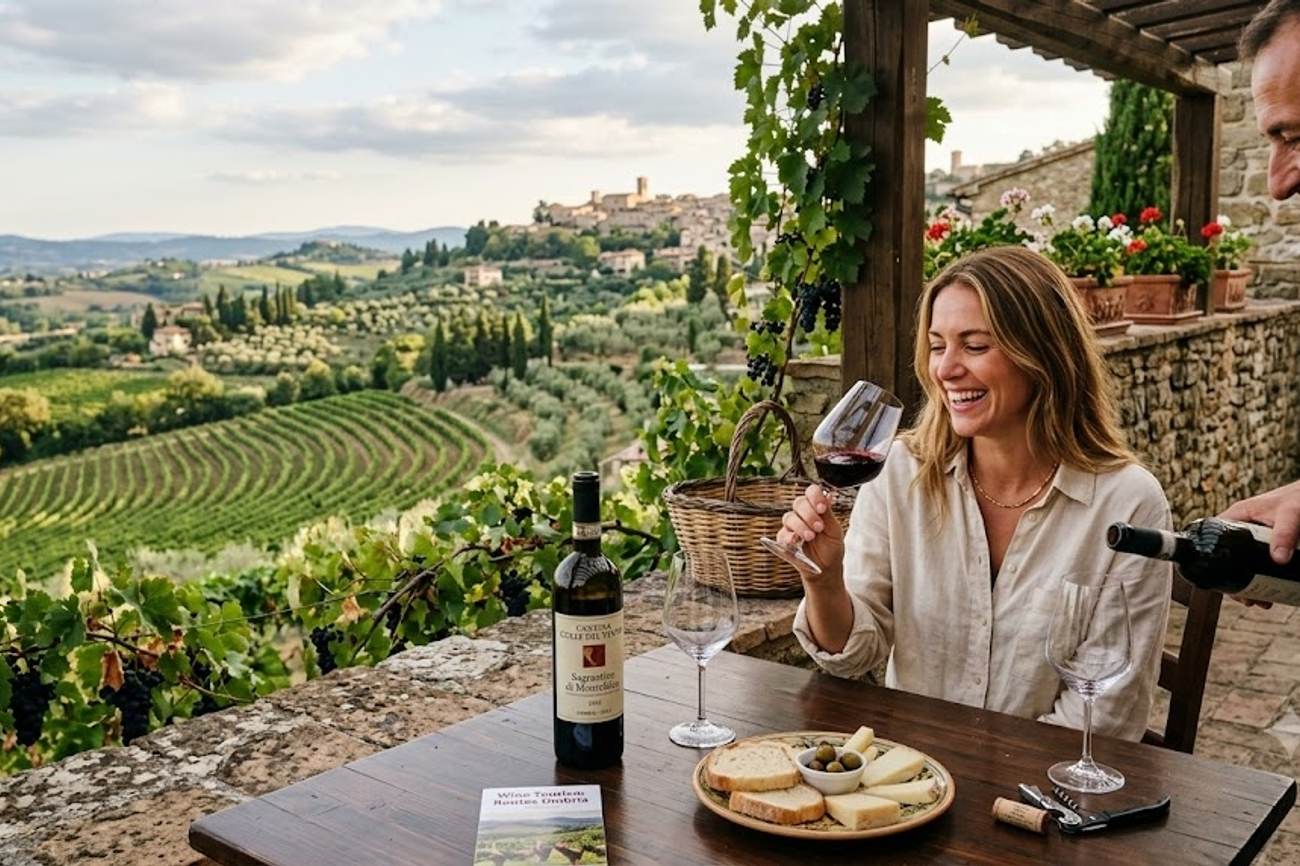
Image generated by AI
[Perugia, May 2024] — Umbria is aggressively restructuring its international tourism framework by launching a series of dedicated global routes designed to pivot the region into a premier destination for high-end wine tourism. The initiative marks a strategic effort to decentralize Italian tourism, pulling international arrivals away from saturated urban hubs and redirecting them toward the agricultural estates and vineyards of central Italy.
Regional authorities and wine consortia are coordinating this expansion to integrate the "green heart of Italy" into the global travel circuit. By formalizing these routes, the region aims to capitalize on the rising demand for experiential travel, specifically targeting affluent international markets interested in enology, sustainable agriculture, and historic estate visits. The project involves a comprehensive overhaul of how foreign visitors access the interior of the region, moving away from a reliance on domestic foot traffic toward a proactive, export-driven tourism model.
The Strategic Shift in Regional Access
The catalyst for this transformation is a calculated economic pivot intended to support family-owned vineyards and rural hospitality providers. Historically, Umbrian tourism operated on a passive model, relying on organic interest and domestic Italian visitors. This left many world-class producers in the hills of central Italy isolated from the lucrative overseas market.
To rectify this, the regional government is implementing coordinated international campaigns and infrastructure partnerships. The goal is to create a seamless pipeline from major international transport hubs—such as those managed by Ente Nazionale Assistenza Voli (ENAV) and regional airport authorities—directly to the vineyards. By modernizing the promotional framework, Umbria is positioning its local terroir as a competitive alternative to the more crowded vineyards of Tuscany.
Markets and Destinations Impacted
The new routes are not generic; they are structured corridors linking specific historic centers with their surrounding agricultural hinterlands. The focus is on reducing "logistical friction" for the traveler.
- Perugia: Serving as a primary urban gateway, providing the initial link between international transit and rural excursions.
- Assisi: Integrating spiritual tourism with the surrounding wine-producing estates.
- Orvieto: Leveraging its unique geography to connect visitors to the white wine producers of the region.
- Montefalco: Acting as the epicenter for red wine tourism and high-end cellar tours.
These routes are designed to encourage longer average stays by providing a cohesive itinerary rather than fragmented, one-day trips. This shift is expected to increase the average spend per visitor and provide a more stable revenue stream for small-scale producers who previously lacked the marketing reach to attract non-Italian guests.
Practical Traveler Advisory and Strategic Insights
For the passenger or tourist booking a trip to Italy, this initiative translates to a significant reduction in the complexity of rural navigation. The "passenger impact" of these changes is immediate and practical:
1. Streamlined Logistics: Travelers no longer need to navigate fragmented local paths. The region has implemented comprehensive signposting and cohesive pathways that link the four primary hubs (Perugia, Assisi, Orvieto, and Montefalco).
2. Digital Integration: The booking process for cellar tours and tastings has been modernized. Visitors can now utilize digital platforms to schedule visits to secluded estates, removing the need for traditional, phone-based appointments which often posed a language barrier for international guests.
3. Enhanced Transit: There is a renewed focus on regional transit options. This means improved connectivity between the urban centers and the rural vineyards, making the region more accessible to those traveling without a private rental car.
4. Curated Experiences: The shift toward "slow-paced cultural experiences" means that itineraries are now designed around the agricultural calendar. Travelers are encouraged to synchronize their visits with harvest celebrations and seasonal open-cellar initiatives.
The Future of Umbrian Destination Management
This evolution represents a mature milestone in the region's long-term management strategy. By moving toward a proactive global engagement model, Umbria is attempting to future-proof its economy against the volatility of mass tourism.
The regional government is integrating sustainable transport links to connect international visitors with the heart of the Green Heart of Italy. Travelers can coordinate their arrivals through the Official Tourism Portal of Umbria, which provides updated logistics for accessing the region's premier vineyards and historic estates.
The next phase of development involves deeper integration with the Italian National Tourism Board (ENIT), ensuring that these wine routes are marketed as primary destinations in global travel brochures and digital booking engines. The region is also focusing on "sustainable travel" metrics, ensuring that the influx of international visitors does not degrade the tranquil nature of the hills that make the region attractive in the first place.
The timeline for these rollouts is centered around the spring and autumn harvest seasons. These windows are identified as the peak periods for visual appeal and agricultural activity, and the regional authorities are prioritizing infrastructure readiness for these specific dates to ensure a seamless first impression for new international markets.
FAQ: Umbria Wine Routes 2024
Do I need a rental car to visit the new wine routes? While rental cars provide the most flexibility, the new initiatives have improved regional transit and cohesive signposting between Perugia, Assisi, Orvieto, and Montefalco, making it easier for independent travelers to navigate using organized transport and local shuttles.
When is the best time to visit the Umbrian vineyards? The most striking periods are spring and autumn. Autumn is particularly recommended for those wanting to witness the harvest celebrations and seasonal open-cellar events.
How should I book wine tastings at smaller estates? The region has introduced digital integration for bookings. It is highly recommended to book premier experiences well in advance through official regional tourism portals, especially during the peak harvest seasons.
Which towns are the primary hubs for these new routes? The strategic corridors are centered around four main destinations: Perugia, Assisi, Orvieto, and Montefalco. These towns serve as the anchors connecting urban amenities to rural wine estates.
The green heart of Italy is officially open for global business.
Related Travel Guides
Disclaimer
This article is for informational and educational purposes only. It does not constitute legal, financial, or professional advice. While we strive to provide accurate and up-to-date information, travel policies, regulations, and conditions change rapidly. Always verify information with official sources before making travel decisions. Nomad Lawyer makes no representations about the accuracy, reliability, completeness, or suitability of the information provided. Readers should consult qualified professionals for advice specific to their circumstances. The views expressed in this article are those of the author and do not necessarily reflect the views of Nomad Lawyer.
Kunal K Choudhary
Co-Founder & Contributor
A passionate traveller and tech enthusiast. Kunal contributes to the vision and growth of Nomad Lawyer, bringing fresh perspectives and driving the community forward.
Learn more about our team →