
Huntington Joins Pompano, Lauderdale-by-the-Sea and More US Beaches with Advancing Sensory-Inclusive Travel With KultureCity
Huntington Joins Pompano, Lauderdale-by-the-Sea and More US Beaches with Advancing Sensory-Inclusive Travel With KultureCity

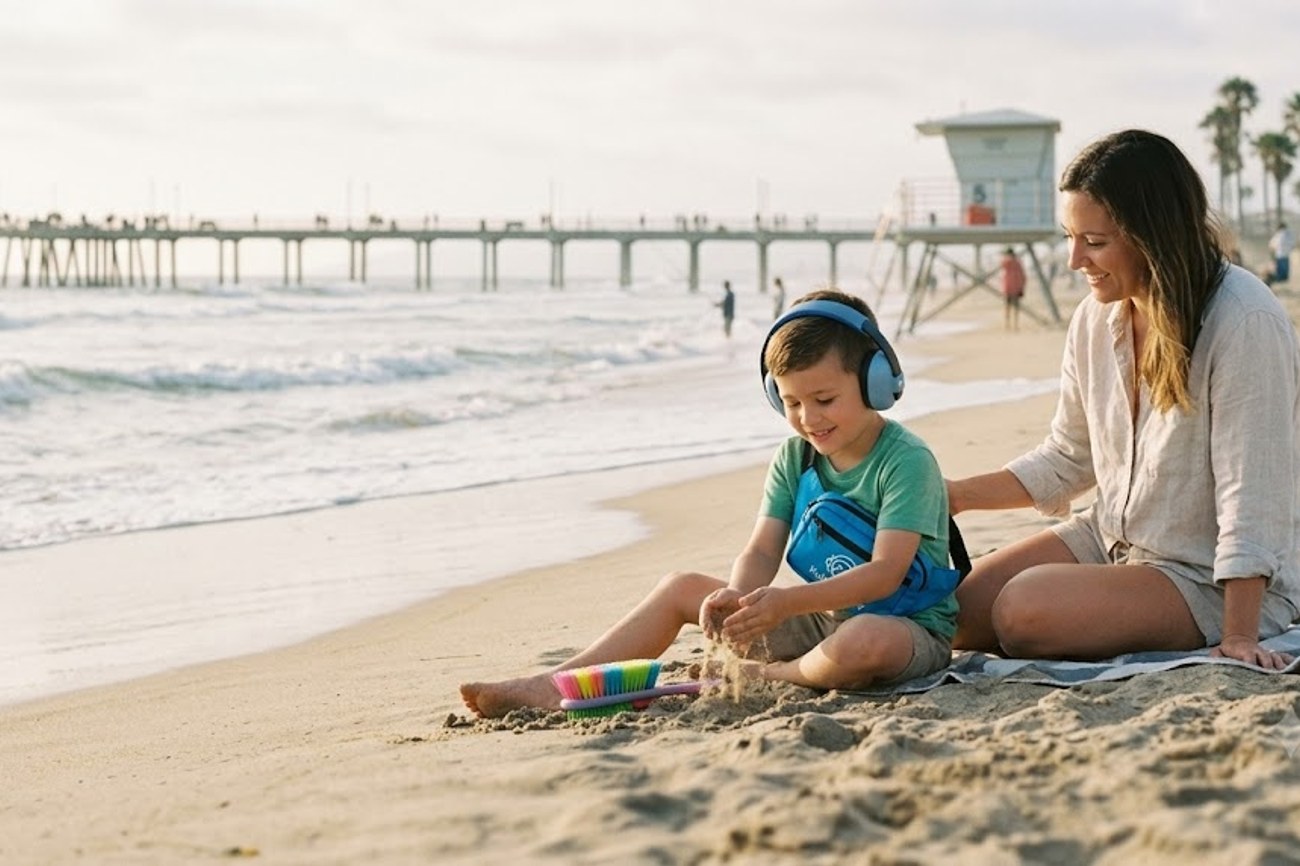
Image generated by AI
1,538 visitor-facing employees and public safety personnel in Huntington Beach have completed specialized sensory-inclusive training, marking a pivot in how American coastal destinations define "accessibility." This shift moves the industry beyond the traditional focus on physical infrastructure—such as ramps and elevators—toward a model that addresses invisible disabilities and sensory processing disorders. By integrating these certifications into the very fabric of municipal operations, cities are acknowledging that a beach wheelchair is only one part of a comprehensive accessibility strategy.
The Transition from Physical to Sensory Accessibility
For decades, the gold standard for accessible travel was defined by the Americans with Disabilities Act (ADA), focusing heavily on the removal of architectural barriers. However, the recent adoption of KultureCity certifications in California and Florida suggests a regulatory and social evolution. The focus is now shifting toward "sensory inclusion," which targets the needs of individuals with autism, ADHD, and other sensory processing challenges who may find the loud, bright, and unpredictable environment of a public beach overwhelming.
In Huntington Beach, this is not merely a hospitality initiative but a public safety mandate. The destination-wide approach ensures that the "sensory chain" is not broken when a traveler moves from a hotel lobby to the shoreline. By training police officers, firefighters, and lifeguards alongside hotel staff, the city is mitigating the risk of misunderstandings between public safety officials and neurodivergent visitors. This systemic integration transforms the destination from a collection of accessible venues into a cohesive, supportive ecosystem.
Regional Implementation and Resource Allocation
The deployment of these resources varies by region, reflecting different strategic priorities between the West Coast and the East Coast. While Huntington Beach focuses on a destination-wide certification involving municipal safety teams, the Greater Fort Lauderdale area in Florida has implemented a highly tactile, equipment-based support system.
The following data outlines the specific provisions currently available across these certified sensory-inclusive beach destinations:
| Beach / Destination | State | Certification Status | Primary Sensory/Physical Provisions |
|---|---|---|---|
| Huntington Beach | California | Destination-wide | Trained public safety/lifeguards, Mobi-mats, adaptive surfing, beach wheelchairs |
| Fort Lauderdale Beach | Florida | Certified Destination | Sensory bags, calm spaces, noise-cancelling headphones, beach wheelchairs |
| Hollywood Beach | Florida | Certified Destination | Social Stories, sensory bags, trained staff |
| Pompano Beach | Florida | Certified Destination | Sensory resources, accessible equipment |
| Lauderdale-by-the-Sea | Florida | Certified Destination | Visitor planning tools, sensory resources |
| Dania Beach | Florida | Certified Destination | Trained lifeguards, sensory bags, specialized signage |
| Hallandale Beach | Florida | Certified Destination | Sensory-friendly pools, beach resources |
In Florida, the use of "sensory bags"—containing strobe-reduction sunglasses, fidget tools, and verbal cue cards—provides immediate, on-site relief for visitors experiencing sensory overload. This contrasts with the California model, which emphasizes the human element through the training of 1,538 personnel to recognize and respond to invisible disabilities in real-time.
Expert Analysis: The Business of Invisible Accessibility
For travelers booking these routes, the direct consequence of this shift is a significant reduction in "travel anxiety," a primary barrier for neurodivergent populations. When a destination provides a "Social Story" (as seen in Hollywood Beach) or verified data points (as seen in Huntington Beach), it removes the guesswork from the itinerary.
The partnership between Huntington Beach and Wheel the World is particularly telling from a data perspective. By generating 1,141 specific accessibility data points across 30 hotels and venues, the city is moving away from vague marketing terms like "accessible" and toward granular, verifiable facts. For a traveler, the difference between "accessible bathroom" and "roll-in shower" is the difference between a viable trip and a logistical failure.
The pricing pressure this creates for the broader hospitality industry is subtle but inevitable. As sensory-inclusive certification becomes a competitive advantage, other destinations will be forced to invest in staff training and specialized equipment to avoid losing a growing market segment. We are seeing the emergence of a "certification economy" where third-party validations from organizations like KultureCity act as a trust signal for high-spend, loyalty-driven families who prioritize accessibility.
Huntington Beach has officially partnered with KultureCity to implement sensory-inclusive certifications, joining other Florida coastal destinations in enhancing accessibility for neurodivergent travelers. Visitors can now access specialized sensory guides and quiet spaces through the Visit Huntington Beach official tourism portal to better plan their trips.
Furthermore, the inclusion of public safety teams (police and fire) in this training is a critical risk-management move. Many sensory-related crises are misinterpreted by untrained first responders as behavioral issues or non-compliance. By educating the frontline, Huntington Beach is reducing the potential for legal and social friction, creating a safer environment for both the visitor and the municipal employee.
Key Takeaways
- Shift in Scope: Accessibility is expanding from physical modifications (ramps/wheelchairs) to sensory and cognitive support (noise-reduction/staff training).
- Data-Driven Planning: Huntington Beach has mapped 1,141 specific accessibility data points across 30 venues to provide granular certainty for mobility-impaired travelers.
- Public Safety Integration: The training of 1,538 municipal employees, including police and lifeguards, ensures that sensory needs are recognized by emergency services, not just hotel staff.
- Tactile Toolkits: Florida destinations are utilizing "sensory bags" with noise-cancelling headphones and weighted pads to provide immediate on-site sensory regulation.
- Destination-Wide Model: The trend is moving toward city-wide certification rather than individual business certification, ensuring a seamless experience across the entire trip.
FAQ: Sensory-Inclusive Travel 2024
What is a sensory bag and where can I get one? Sensory bags contain tools like noise-cancelling headphones, fidget toys, and strobe-reduction sunglasses to help manage overstimulation. In certified destinations like Fort Lauderdale Beach, these are typically available at designated lifeguard stations for visitor use.
How does "Destination-Wide Certification" differ from a single accessible hotel? A single hotel provides a safe room, but destination-wide certification means the surrounding environment—including public parks, beach patrols, and local retail—has staff trained to support neurodivergent visitors, reducing stress outside the hotel.
What are "Social Stories" in the context of beach travel? Social Stories are visual guides or narratives that prepare a visitor for what to expect at a destination. They help individuals with autism or anxiety visualize the sequence of events, such as arriving at Hollywood Beach and interacting with staff.
Are Mobi-mats different from beach wheelchairs? Yes. While wheelchairs provide mobility, Mobi-mats are durable, non-slip pathways laid over the sand. They allow wheelchairs, strollers, and walkers to move across the beach surface without sinking.
The map of the modern journey is no longer just about where we can go, but how we are understood when we arrive.
Tags: Huntington Beach, KultureCity, Greater Fort Lauderdale, Sensory Inclusive Certification, Wheel the World, Accessible Tourism 2024
Related Travel Guides
Disclaimer
This article is for informational and educational purposes only. It does not constitute legal, financial, or professional advice. While we strive to provide accurate and up-to-date information, travel policies, regulations, and conditions change rapidly. Always verify information with official sources before making travel decisions. Nomad Lawyer makes no representations about the accuracy, reliability, completeness, or suitability of the information provided. Readers should consult qualified professionals for advice specific to their circumstances. The views expressed in this article are those of the author and do not necessarily reflect the views of Nomad Lawyer.
Preeti Gunjan
Contributor & Community Manager
A passionate traveller and community builder. Preeti helps grow the Nomad Lawyer community, fostering engagement and bringing the reader experience to life.
Learn more about our team →