
West Africa's Creative Renaissance
West Africa's Creative Renaissance

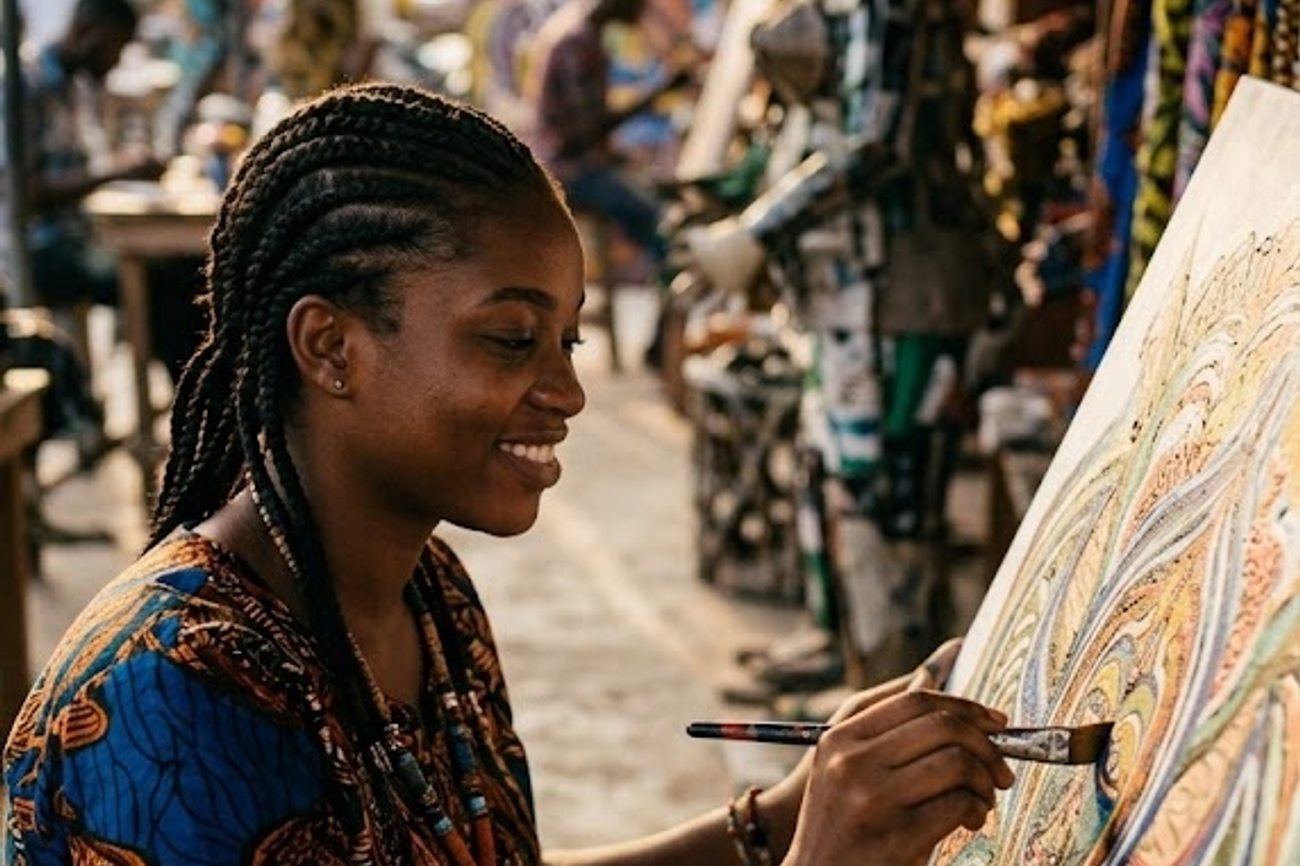
Image generated by AI
West Africa's Creative Renaissance
While most travelers associate West African travel with safari or colonial history, a new wave of medium-sized cultural festivals is redefining the region as a global hub for animation, cinema, and digital storytelling. Through the Africa-Europe Partnerships for Culture initiative, these events are moving beyond local celebrations to become sophisticated international junctions, backed by grants of up to €50,000 to bridge the gap between West African creators and European cultural institutions.
The Shift Toward Creative Exchange
The traditional model of cultural tourism in West Africa often leaned on the "preservation" of the past. However, the current trend is a pivot toward active, living creativity. The Africa-Europe Partnerships for Culture programme is specifically targeting medium-sized festivals—those that have outgrown their grassroots origins but haven't yet become corporate behemoths—to foster genuine artistic collaboration.
This isn't just about funding a stage; it is about structural integration. By supporting sectors like audiovisual production, animation, and literature, the initiative is helping West African festivals evolve into industry hubs. When a cinema festival in Senegal or a music event in Ghana partners with a European counterpart, it creates a professional pipeline. For the nomad traveler or the cultural seeker, this means the festivals are becoming more organized, more diverse, and more accessible, offering a window into the contemporary African psyche rather than a curated museum experience.
What Makes West African Festivals Different
To understand the pull of these festivals, one must look at the specific cultural strengths of the host nations. In Ghana, the focus often blends deep historical heritage with a modern, globalized music scene. Senegal is a powerhouse for performance arts and high-concept cultural festivals, while Nigeria’s influence is felt most strongly through its massive film and music industries (the global phenomenon of Afrobeats and Nollywood).
In Côte d’Ivoire, the intersection of traditional customs and contemporary art creates a unique tension that attracts those looking for authenticity. Meanwhile, Burkina Faso and Togo offer a more intimate look at community-driven heritage and performing arts. Unlike European festivals, which can often feel like commercial products, West African festivals remain deeply embedded in the social fabric of their cities. They are not just events; they are community gatherings where the line between performer and spectator is frequently blurred.
For those interested in the broader context of how these sites are preserved, the UNESCO World Heritage Centre provides essential context on the historical landmarks that often serve as the backdrop for these modern celebrations.
Visitor Insider Tips
Navigating a medium-sized cultural festival in West Africa requires a different strategy than visiting a major European city. To get the most out of these experiences, avoid the "tourist bubble" and lean into the local rhythm.
Timing and Crowds The best window to visit is typically during the dry season (November to February), though specific festivals may fall outside this. To avoid the heaviest crowds, arrive in the host city three to four days before the official start date. This allows you to connect with local organizers and find "satellite events"—smaller, unlisted parties or workshops—that often provide a more intimate experience than the main stage.
Local Etiquette Respect is the primary currency. In many West African cultures, greetings are not mere formalities but essential social rituals. Never rush a conversation. When attending heritage-focused festivals, always ask for permission before photographing elders or sacred rituals. A small gesture of curiosity and respect goes further than any VIP pass.
Transport Hacks While ride-sharing apps are growing in cities like Lagos or Accra, the real way to move is via local transit or hired drivers. For those traveling between cities to hit multiple festivals, check regional transport authorities or use trusted local agencies. For those planning a broader trip, Visit Ghana or similar national boards offer the most reliable current logistics.
Regional Specialties Don't stick to hotel dining. Look for the food vendors surrounding the festival grounds. Try Jollof rice (be prepared for the "Jollof Wars" debate between Ghana and Nigeria), Thieboudienne in Senegal, or Attieké in Côte d’Ivoire. These festivals are the best places to sample authentic, street-level cuisine.
Cultural and Environmental Context
The influx of international visitors driven by these grants brings both opportunity and tension. The economic impact is undeniable: hotels, local artisans, and transport providers see a significant spike in revenue. However, the challenge lies in ensuring this growth is sustainable.
There is a delicate balance between promoting a destination and commodifying its culture. The Africa-Europe Partnerships for Culture initiative attempts to mitigate this by focusing on "partnerships" rather than "exports." By encouraging two-way exchanges, the goal is to prevent the "tourist gaze" from flattening complex traditions into simple performances.
Furthermore, the environmental footprint of increased travel to these regions is a growing concern. Many festivals are now integrating waste management strategies to handle the surge in plastic and refuse that accompanies large crowds. The shift toward "meaningful travel"—where visitors stay longer and engage deeper—is a direct response to the desire for a more sustainable, less extractive form of tourism.
FAQ: Visiting West Africa 2026
What is the best time to visit? Generally, November to February offers the most favorable weather. However, since festivals are date-specific, always check the individual event calendar first.
Do I need a visa? Visa requirements vary significantly by nationality and country (e.g., Ghana vs. Nigeria). Many West African nations now offer e-visas to streamline the process. Check the official embassy website of your destination.
How do I get there from a major hub? Most visitors fly into major hubs like Accra, Dakar, or Lagos. From there, regional flights or licensed private drivers are the most efficient ways to reach smaller festival towns.
Is it safe for solo travelers? Yes, provided you exercise standard precautions. Staying in vetted guesthouses, using reputable transport, and connecting with local festival communities are the best ways to ensure a safe and enriching trip.
True discovery happens when you stop following the map and start following the music.
#WestAfricaTravel2026 #AfricaEuropeCulture #WestAfricanFestivals #CulturalTourismAfrica #CreativeExchangeAfrica
Related Travel Guides
- Agoda Unites with Google and More Companies at WiT Singapore 2026 Unites 30+ Countries as Travel Tech Leaders Head to Marina Bay Sands
- Illinois Joins New Jersey and More US States Where EV Road Trips Are Getting Harder for Drivers
- Oman Goes Hand In Hand With More Middle East Countries To Redefine Tourism Through Culture, Sustainable Growth And Regional Unity
Disclaimer
This article is for informational and educational purposes only. It does not constitute legal, financial, or professional advice. While we strive to provide accurate and up-to-date information, travel policies, regulations, and conditions change rapidly. Always verify information with official sources before making travel decisions. Nomad Lawyer makes no representations about the accuracy, reliability, completeness, or suitability of the information provided. Readers should consult qualified professionals for advice specific to their circumstances. The views expressed in this article are those of the author and do not necessarily reflect the views of Nomad Lawyer.
Raushan Kumar
Founder & Lead Developer
Full-stack developer with 11+ years of experience and a passionate traveller. Raushan built Nomad Lawyer from the ground up with a vision to create the best travel and law experience on the web.
Learn more about our team →