American Cruise Travel 2027: Record 22.4M Passengers Reshape Caribbean, Alaska, and European Sailings

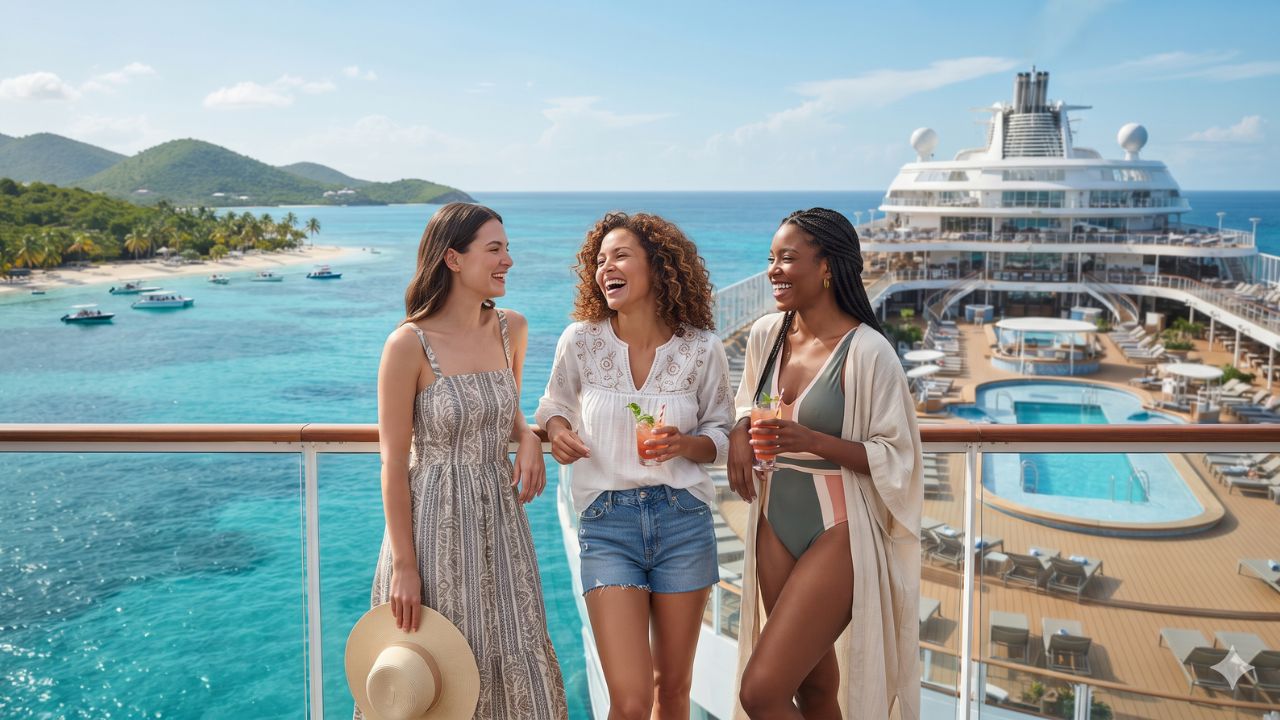
While 14.2 million Americans embarked on ocean cruises in 2019 before the global pandemic halted international voyages, a record 22.4 million United States residents are projected to set sail in 2027—a massive 57 percent expansion that marks the industry’s fifth consecutive annual high. According to joint research from the American Automobile Association (AAA) and Tourism Economics released in late October 2026, American ocean cruise participation will climb 3.6 percent over projected 2026 benchmarks. Driven by an appetite for compact four-to-six-night getaways and all-inclusive value, this historic surge places industry giants—Carnival Cruise Line, Royal Caribbean International, and Norwegian Cruise Line—at the center of shifting passenger expectations across the Caribbean, Alaska, and Europe.
The 2027 Cruise Boom: Short Itineraries and Market Realities
The projected growth from 14.2 million cruisers in 2019 to 22.4 million in 2027 illustrates how ocean cruising has outpaced many traditional land-based vacation sectors. The global cruise economy, tracked by the Cruise Lines International Association (CLIA), recorded 37.2 million worldwide passengers in 2025. While source markets in Europe generated 8.9 million cruise passengers and Australia added 1.45 million ocean travelers, the United States remains the undisputed powerhouse of international passenger volume.
A major driver behind this sustained momentum is the structural shortening of average voyage lengths. In 2025, approximately 45 percent of all American cruise passengers selected voyages lasting six nights or fewer, compared with 39 percent in 2019. Travelers are increasingly treating cruises as long-weekend escapes rather than formal multi-week grand voyages, scheduling quick four- and five-night sailings to private island retreats and regional ports that minimize time away from professional and school commitments.
The Caribbean remains the dominant anchor of this market, capturing roughly 71 percent of all American ocean travelers. Alaska follows with approximately 7 percent of the passenger share, while the Mediterranean commands roughly 6 percent.
| Regional Market & Industry Parameter | 2027 Official Projection / Benchmark | Historical Comparison | Strategic Traveler Reality |
|---|---|---|---|
| Total American Ocean Cruisers | 22.4 million passengers | Up 3.6% over 2026; vs 14.2M in 2019 | Fifth consecutive year of record-breaking passenger participation. |
| Global Cruise Volume | 37.2 million passengers (2025 CLIA) | Worldwide ocean passenger count | North America generates roughly 60% of all global cruise guests. |
| Caribbean Destination Share | ~71% of American cruise passengers | Unchallenged market leader | Year-round sailings from Florida, Texas, Louisiana, and Puerto Rico. |
| Alaska Itinerary Share | ~7% of American cruise passengers | High-demand seasonal market | May-to-September season; early booking required for balcony cabins. |
| Mediterranean Itinerary Share | ~6% of American cruise passengers | Cultural and heritage favorite | Spring and autumn shoulder sailings preferred to avoid summer heat. |
| Short Cruises (≤6 Nights) | ~45% of US passenger choices (2025) | Up from 39% in 2019 | Fast-growing preference for weekend getaways and flexible schedules. |
| European Sourced Passengers | Approximately 8.9 million (2025) | Major secondary source market | Fuels Mediterranean, Baltic, and Norwegian fjord deployment. |
| Australian Sourced Passengers | Approximately 1.45 million (2025) | High-penetration regional market | Powers South Pacific and Great Barrier Reef coastal itineraries. |
Destination Breakdowns: Why the Caribbean, Alaska, and Mediterranean Resonate
The geographical distribution of American cruise demand reflects three distinct vacation styles:
- The Caribbean Basin (71%): Departing from high-capacity embarkation hubs including PortMiami, Port Everglades (Fort Lauderdale), Port Canaveral, Galveston, and New Orleans, Caribbean voyages provide predictable tropical sunshine and protected waters. Cruise lines have invested heavily in proprietary private coves and cays—such as Royal Caribbean’s Perfect Day at CocoCay or Carnival’s Celebration Key—where passengers enjoy curated waterparks, private cabanas, and pristine beaches without standard third-party commercial friction.
- Alaska's Inside Passage (7%): Operating primarily out of Seattle and Vancouver, Alaskan itineraries offer an immersive wilderness experience. Ships glide past temperate coastal rainforests, calving tidewater glaciers in Glacier Bay National Park and Preserve, and historic Gold Rush frontier towns like Skagway and Ketchikan, appealing strongly to multi-generational families and wildlife enthusiasts.
- The Mediterranean (6%): Departing from historic maritime gateways like Barcelona, Civitavecchia (Rome), Piraeus (Athens), and Venice (Ravenna/Trieste), Mediterranean sailings function as floating boutique hotels. Passengers can explore UNESCO heritage ruins in Pompeii, wander whitewashed cliffside villages in the Greek Cyclades, and savor authentic tapas in Andalusia without repacking luggage between border crossings.
Visitor Insider Tips: Avoiding Hidden Fees, Port Crowds, and Transit Traps
Navigating modern megaships and crowded ports of call requires savvy planning to protect your vacation budget and maximize your time ashore:
- Arrive in Your Departure Port City 24 Hours Early: Never fly into your embarkation port on the morning of departure. Flight delays, runway de-icing, or baggage misdirections can cause you to miss the mandatory all-aboard call. Book a hotel near the terminal the night before sailing to start your trip relaxed.
- Calculate the True All-In Cruise Fare: The advertised base fare rarely covers the total trip cost. Factor in mandatory daily crew gratuities (typically $16 to $20 per person per day), port taxes, specialty dining fees, and onboard Wi-Fi packages. Compare these costs against all-inclusive drink and amenity bundles before finalizing your booking.
- Skip the Ship Excursion Crowds in Historic Ports: In walkable ports like San Juan, Nassau, or Cozumel, bypass overpriced cruise-line bus excursions. Walk independently into Old San Juan’s historic blue-cobblestone streets, tour the six-level fortress of Castillo San Felipe del Morro, and sample authentic mofongo at family-owned neighborhood fondas.
- Booking Windows for Alaska and Europe: While Caribbean sailings can frequently be booked four to six months out, high-demand summer sailings to Alaska and the Mediterranean should be reserved 10 to 14 months in advance. Prime balcony cabins on the land-facing side of the ship (portside northbound, starboard southbound) sell out during annual winter wave seasons.
- Monitor Ship Size When Choosing Itineraries: Modern megaships carrying 5,000 to 7,000 passengers offer incredible waterparks and Broadway revues, but they are restricted to industrial deep-water piers. If you prefer docking directly in charming historic harbors like Key West, Dubrovnik, or Villefranche, seek out smaller mid-sized vessels carrying fewer than 2,500 passengers.
Cultural, Environmental, and Community Context: The Sustainable Port Challenge
The continuous expansion of cruise passenger volume places significant pressure on coastal environments and municipal host communities. In historic destinations like Juneau, Alaska, and Mediterranean icons like Venice and Barcelona, local municipal governments have instituted strict daily passenger caps, ship size restrictions, and port tourist surcharges to protect historic architectural foundations and curb overtourism.
Environmental performance has become central to operational survival. The latest generation of vessels deployed by Carnival, Royal Caribbean, and Norwegian utilizes liquefied natural gas (LNG) propulsion, dramatically reducing sulfur oxide emissions and particulate matter compared to traditional heavy fuel oil. Furthermore, modern ships are equipped with shoreside electrical connectivity ("cold ironing"), allowing vessels to plug directly into local municipal electrical grids while berthed, shutting down diesel auxiliary engines and eliminating air pollution in port cities.
Supporting destination communities requires mindful traveler choices. When passengers spend their money directly with local independent taxi drivers, indigenous craft artisans, and family-owned seaside cafes rather than spending exclusively at ship-owned retail enclaves, tourism revenue stays within the host community, fostering a balanced relationship between ocean visitors and island residents.
FAQ: Ocean Cruise Planning for 2027
What is the best month to book an ocean cruise for 2027?
The annual "Wave Season" from January through March typically offers the year's best booking incentives, including cabin upgrades, airfare credits, and reduced deposit requirements across major lines.
Do I need a passport for a closed-loop Caribbean cruise departing from the US?
While U.S. regulations allow American citizens on closed-loop cruises (departing and returning to the same U.S. port) to travel with a birth certificate and government photo ID, carrying a valid passport book is strongly recommended to handle unexpected emergency medical evacuations.
How far in advance should I book excursions in Alaska?
Glacier helicopter landings, floatplane bear tours, and dog-sledding excursions in Alaska have strictly limited capacities and should be reserved four to six months prior to departure.
What is the difference between a private cruise island and a public port of call?
Private islands (like CocoCay or Great Stirrup Cay) are owned or leased by cruise lines, offering controlled beach environments with free dining and ship card spending. Public ports allow travelers to experience authentic regional culture, local dining, and sovereign communities.
Across emerald Caribbean shallows and glaciated northern fjords, the open sea continues to captivate travelers seeking the effortless magic of waking to a brand-new horizon every single dawn.
Related Travel Guides
Durham North Carolina Tourism Guide: Food Culture, Black Wall Street Heritage, and Slower Travel
California Central Coast Tourism 2028: SLO CAL Capitalizes on Rail Links and Olympic Momentum
The Ultimate Caribbean Private Island vs Local Port Survival Guide, According To Reddit (Coming Soon)
This article is for informational purposes. Flight routes, passenger regulations, visa rules, and transit advisories are subject to change by airlines and aviation authorities. Readers are advised to verify schedules and travel documentation with relevant carriers and border agencies before departure.
Related Stories

Durham North Carolina Tourism Guide: Food Culture, Black Wall Street Heritage, and Slower Travel

California Central Coast Tourism 2028: SLO CAL Capitalizes on Rail Links and Olympic Momentum