
Water Crisis Across the Americas: San Juan and US Destinations Face Tourism Pressure in 2026
Severe water shortages in San Juan, Las Vegas, and across the Americas are forcing tourism operators to implement rationing and desalination to protect economic stability.

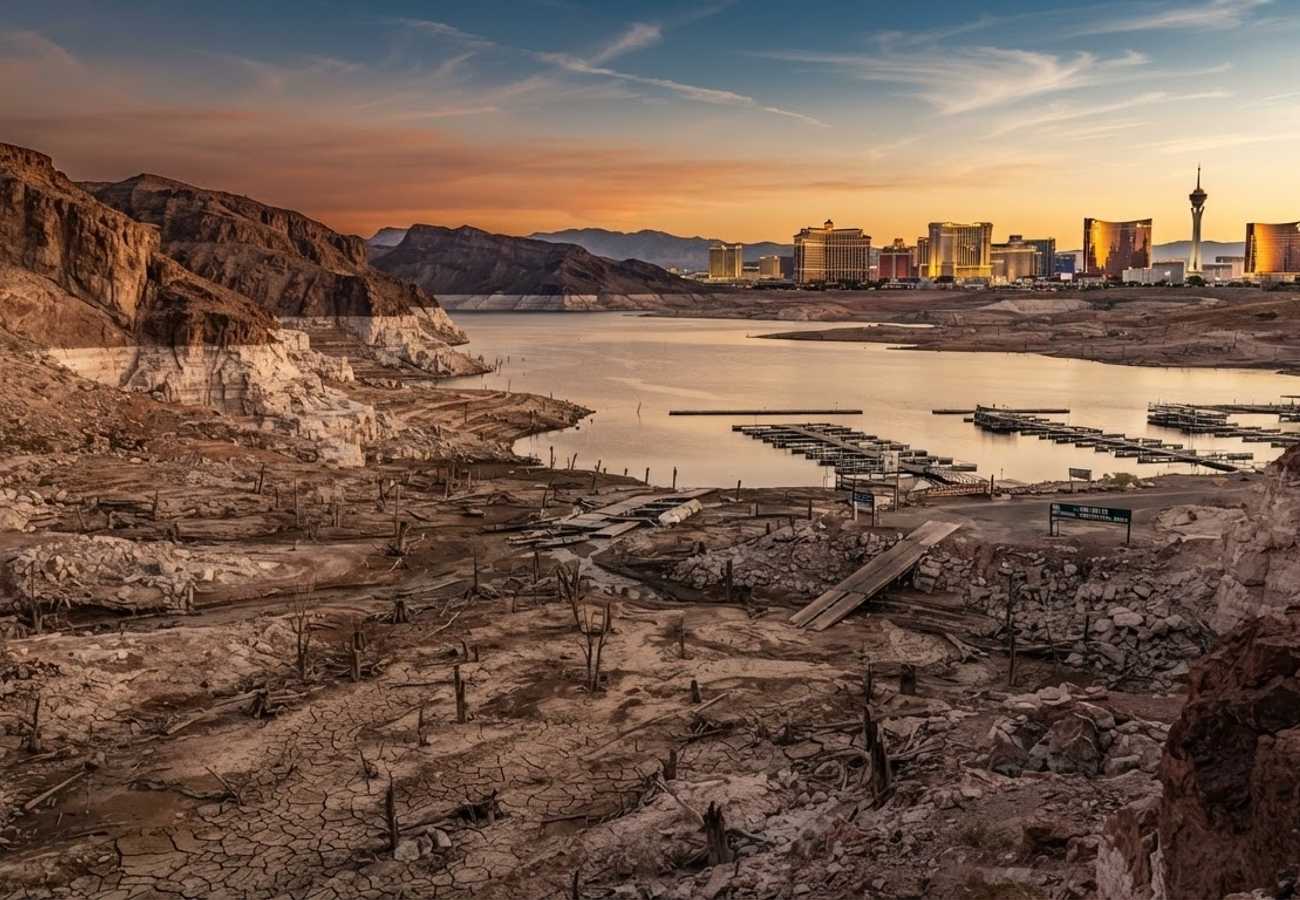
Image generated by AI
Water scarcity is no longer a regional anomaly but a systemic economic threat across the Americas, with San Juan and the Colorado River Basin leading a shift toward mandatory conservation.
The tourism sector across North, Central, and South America is confronting an escalating water crisis that has transitioned from an environmental concern to a primary economic priority. From the rotating water rationing in Puerto Rico to the historic depletion of the Colorado River reservoirs in the United States, destinations are being forced to integrate aggressive water management into their core operational strategies to avoid systemic collapse.
In Puerto Rico, the crisis is immediate. The metropolitan region, including San Juan, Carolina, and Loíza, is currently implementing rotating water rationing as the Carraízo Reservoir and other primary water sources face critical depletion due to below-average rainfall. While the government aims to maintain the flow of international arrivals, the pressure on hospitality infrastructure is significant, with hotels and restaurants now required to operate under strict conservation mandates.
Across the United States, the focus remains on the Colorado River Basin. Las Vegas, despite its status as a global entertainment hub, operates under the shadow of Lake Mead’s historic lows. The city has pivoted toward a model of aggressive water recycling and efficient landscaping to decouple tourism growth from water consumption. Similarly, recreation-heavy destinations like Lake Powell and Lake Havasu City are adapting to shifting shorelines that directly impact boating and marina operations.
The crisis extends deep into Latin America. Mexico is grappling with groundwater depletion in Mexico City and aquifer stress in the Riviera Maya, while Brazil’s Amazon gateway in Manaus has seen river cruises disrupted by historically low water levels. In the Atacama Desert of Chile and the wine regions of Argentina, the competition for dwindling water supplies between luxury tourism and local agriculture is intensifying.
Regional Water Crisis Impact Specifications
| Destination | Country | Crisis Type | Tourism Impact |
|---|---|---|---|
| San Juan & Metro | Puerto Rico | Reservoir depletion; rotating rationing | Infrastructure pressure; hotel conservation mandates |
| Carolina & Loíza | Puerto Rico | Carraízo Reservoir shortages | Operational challenges for local lodging/dining |
| Las Vegas / Lake Mead | USA | Colorado River drought | Long-term sustainability risks; aggressive recycling |
| Lake Powell | USA | Long-term megadrought | Reduced boating and recreational access |
| Phoenix / Scottsdale | USA | Groundwater restrictions | Shift to water-efficient luxury landscaping |
| Monterrey | Mexico | Multi-year drought | Periodic water rationing for hotels/residents |
| Baja California | Mexico | Groundwater stress | High reliance on desalination plants |
| Cancún / Riviera Maya | Mexico | Aquifer stress | Increased freshwater demand vs. supply |
| Mexico City | Mexico | Groundwater depletion | Reduced hospitality resilience |
| Manaus | Brazil | Extreme Amazon drought | Disruption of river cruises and ecotourism |
| Pantanal Wetlands | Brazil | Wetland drying | Wildlife tourism risks and wildfire threats |
| Atacama Desert | Chile | Chronic scarcity | Pressure on fragile desert aquifers |
| Mendoza | Argentina | Reduced Andean snowpack | High dependency on efficient irrigation |
Traveler Logistics Guide: Navigating Water-Stressed Destinations
From a ground-level perspective, the best way to navigate these destinations in 2026 is to assume that "business as usual" no longer applies to utility availability. Travelers should adopt the following logistics strategies:
1. Booking and Facility Verification When booking luxury resorts in regions like Baja California or Scottsdale, verify the property's water source. Properties utilizing onsite desalination or closed-loop recycling systems are significantly less likely to experience the service interruptions seen in properties relying on municipal grids.
2. Managing Rationing Schedules In Puerto Rico, specifically San Juan and Carolina, be aware of rotational water cuts. If staying in boutique accommodations or Airbnbs, request the specific rationing schedule for that neighborhood to avoid outages during peak morning or evening hours.
3. Recreational Adjustments For those visiting Lake Powell or the Amazon basin, check real-time water level gauges provided by national park authorities or maritime registries before booking excursions. Boat launches and marina access points frequently shift or close entirely during low-water periods.
4. Digital Transit and Policy Compliance Ensure all travel documents are digitized to minimize time spent in transit hubs where water-stressed infrastructure may lead to slower processing times. In the US, follow local drought ordinances; some regions may penalize tourists for excessive water use in short-term rentals.
Infrastructure Impact Assessment
The shift toward "climate-resilient tourism" is fundamentally changing regional connectivity. We are seeing a transition from traditional freshwater reliance to high-cost infrastructure investments. In Mexico and the US Southwest, the proliferation of desalination plants and wastewater treatment facilities is now a prerequisite for any new hotel development.
Furthermore, the volatility of water levels in the Amazon and the Colorado River basin is forcing a diversification of tourism products. Destinations are moving away from water-dependent activities (like large-scale boating) toward land-based ecological tours and sustainable urban experiences. This shift is essential; without it, the economic viability of these regions will be compromised as the gap between water demand and natural replenishment widens.
The future of American tourism now depends less on marketing and more on the engineering of water survival.
Related Travel Guides
Disclaimer
This article is for informational and educational purposes only. It does not constitute legal, financial, or professional advice. While we strive to provide accurate and up-to-date information, travel policies, regulations, and conditions change rapidly. Always verify information with official sources before making travel decisions. Nomad Lawyer makes no representations about the accuracy, reliability, completeness, or suitability of the information provided. Readers should consult qualified professionals for advice specific to their circumstances. The views expressed in this article are those of the author and do not necessarily reflect the views of Nomad Lawyer.
Preeti Gunjan
Contributor & Community Manager
A passionate traveller and community builder. Preeti helps grow the Nomad Lawyer community, fostering engagement and bringing the reader experience to life.
Learn more about our team →