
Phuket Overdevelopment Crisis 2026: Logistics Guide to Navigating Infrastructure Risks and Safety
Phuket's rapid urban expansion has created severe infrastructure deficits. Learn how to navigate landslide risks, waste management crises, and wastewater failures during your 2026 visit to Thailand's largest island.

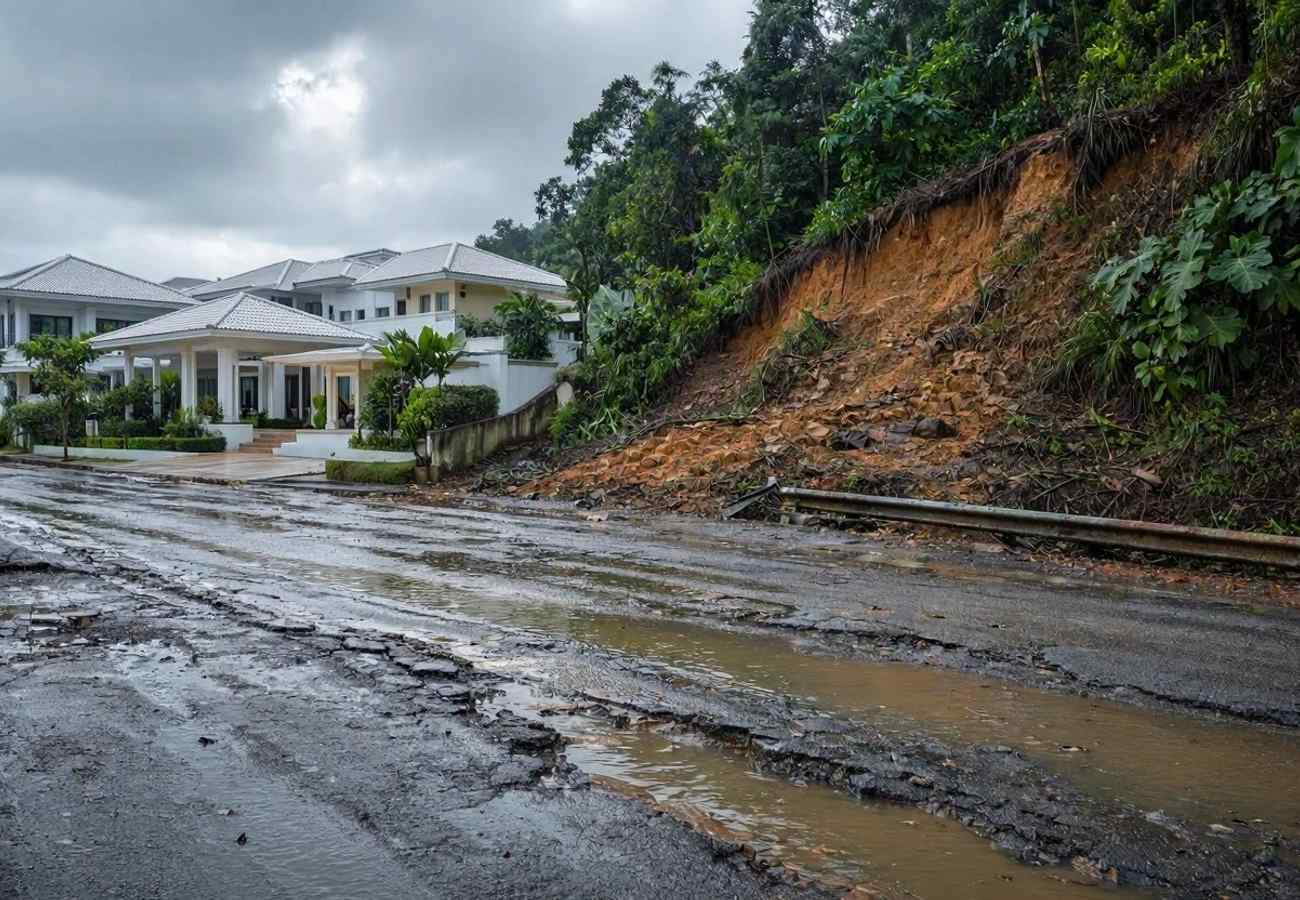
Image generated by AI
Are you planning a trip to Phuket but worried about the recent reports of infrastructure collapse and environmental hazards? As a logistics consultant, I can tell you that the gap between the luxury marketing of Phuket's resorts and the actual municipal stability on the ground has reached a critical point in 2026.
The Phuket Infrastructure Crisis
Phuket is currently struggling under the weight of its own popularity. The island has transitioned from a holiday hub to a commercial economy without the necessary municipal upgrades. This has resulted in a dangerous disconnect: while international policy leaders discuss sustainability at summits, the actual physical infrastructure—drainage, waste management, and hillside stability—is failing.
The most immediate risk for travelers is the instability of the island's topography. Unregulated construction on slopes, particularly in areas like Bang Khanun Hill, has removed the natural root systems that prevent soil erosion. During the monsoon season, this translates directly into flash floods and landslides that can disrupt transport networks and threaten guest safety.
Environmental Degradation and Urban Growth
The scale of Phuket's expansion is staggering when viewed through spatial data. The urban footprint has grown by over 575 percent in recent decades, fundamentally altering the island's ability to handle tropical weather.
| Metric | 1987 Data | 2024 Data | Change/Impact |
|---|---|---|---|
| Urban Footprint | 51.2 sq km | 345.6 sq km | +575% Expansion |
| Natural Forest Cover | 138.2 sq km | 109.9 sq km | Significant Habitat Loss |
| Mangrove Buffer Zones | 33.7 sq km | 23.6 sq km | Reduced Coastal Protection |
This loss of "biological sponges"—the forests and mangroves—means that heavy rainfall no longer absorbs into the ground but instead creates volatile mudflows. For the traveler, this means that a standard rainstorm can now lead to sudden road closures and itinerary cancellations.
Traveler Logistics Guide: Staying Safe in Phuket
When booking and navigating Phuket in 2026, you cannot rely on promotional brochures. You must perform your own structural and environmental due diligence.
1. Accommodation Selection and Site Safety Avoid luxury villas built on steep hillsides unless the property can provide verified structural resilience reports. Areas prone to landslides are high-risk during the monsoon. Check the Thai Meteorological Department for real-time weather alerts and avoid hillside transit during heavy precipitation.
2. Health and Air Quality Management Phuket's waste infrastructure is operating at over 100 percent capacity. This leads to frequent landfill fires, which release toxic fumes and PM2.5 pollution.
- Action: Monitor air quality indices daily. If you have respiratory issues, carry high-filtration masks (N95) specifically for periods of landfill combustion.
- Context: Over 10 million people in Thailand have required hospital treatment for respiratory illnesses linked to this type of pollution.
3. Water and Sanitation Awareness Be aware that municipal wastewater treatment is severely lacking. Only 38 percent to 42 percent of the island's effluent is treated.
- Action: Use bottled or filtered water exclusively. Be cautious of swimming in nearshore marine environments immediately after heavy rains, as untreated wastewater often escapes into the sea.
4. Transport and Connection Strategies Given the risk of flash flooding in urban centers, allow for an extra 2-3 hours of transit time when heading to Phuket International Airport during the rainy season. Use verified ride-hailing apps to track road closures in real-time.
Regional Connectivity and Economic Paradox
The financial data reveals a jarring disparity between revenue and reinvestment. In the first seven months of 2025, Phuket saw 7.6 million international arrivals, bringing in $8.9 billion USD. However, this wealth has not translated into stable public services.
For the global traveler, this means that while the "front end" of the experience (hotels, dining, tours) remains high-end, the "back end" (roads, sewage, electricity) is fragile. This creates a high-liability environment for travel organizers and a volatile experience for tourists. We are seeing a shift where high-value, eco-conscious travelers are moving away from Phuket toward destinations that can prove their structural resilience.
FAQ: Phuket Transit & Safety 2026
Do I need a special permit or insurance for Phuket? While no special permit is required, I strongly recommend travel insurance that specifically covers "natural disasters" and "environmental emergencies," given the increased risk of landslides and flash floods in 2026.
How long should my airport transfers be during monsoon season? Standard transfers take 45-60 minutes, but during heavy rain, drainage failures can double this time. Budget at least 2-3 hours to ensure you do not miss your flight.
Is the tap water safe to drink? Absolutely not. With only 38-42% of wastewater treated, groundwater contamination is a significant risk. Stick to sealed bottled water or high-grade filtration systems.
Which areas should I avoid during heavy rain? Avoid steep hillside roads and low-lying urban areas prone to flash flooding. Specifically, be cautious around Bang Khanun Hill and areas with recent, unregulated commercial construction.
Prioritize structural reality over promotional imagery to ensure your stay in Phuket remains safe.
Related Travel Guides
Disclaimer
This article is for informational and educational purposes only. It does not constitute legal, financial, or professional advice. While we strive to provide accurate and up-to-date information, travel policies, regulations, and conditions change rapidly. Always verify information with official sources before making travel decisions. Nomad Lawyer makes no representations about the accuracy, reliability, completeness, or suitability of the information provided. Readers should consult qualified professionals for advice specific to their circumstances. The views expressed in this article are those of the author and do not necessarily reflect the views of Nomad Lawyer.
Naina Thakur
Contributor & Travel Specialist
Travel enthusiast and legal writer covering visa regulations, responsible tourism, and cultural journeys across global destinations.
Learn more about our team →