
Virgin Atlantic Cuts London Heathrow to Seoul Incheon Flights by 50%

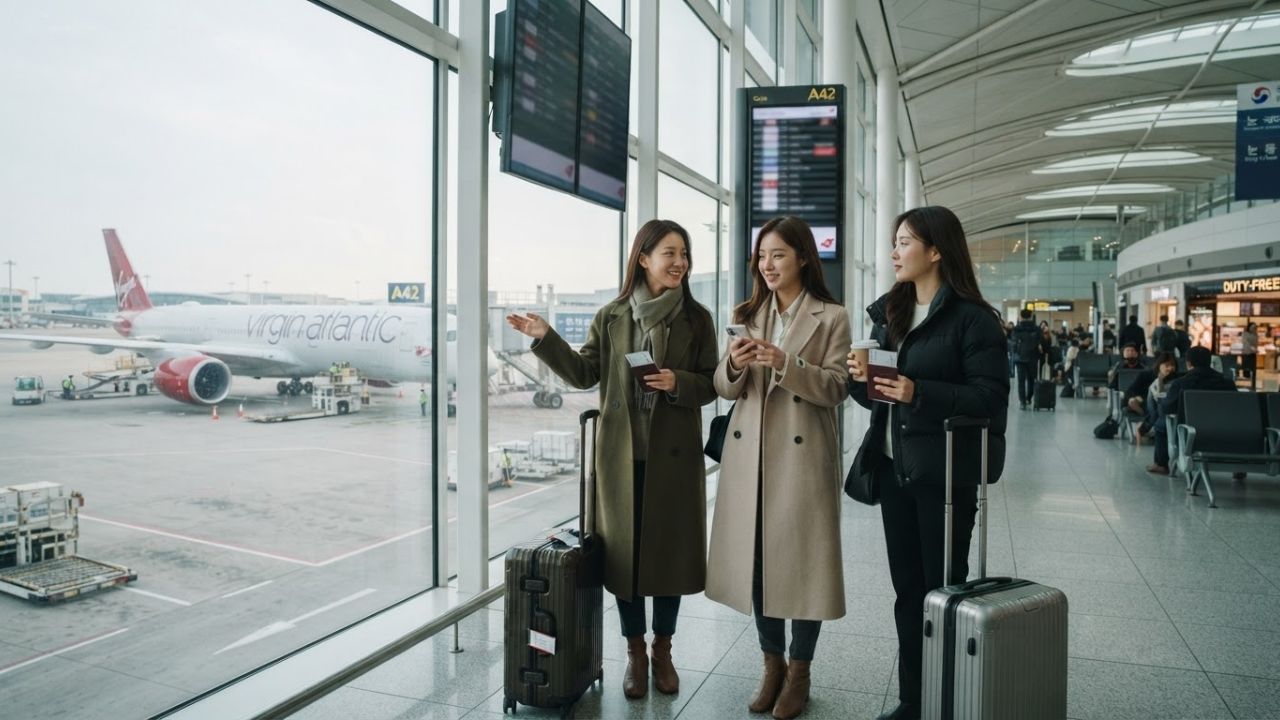
Image generated by AI
Virgin Atlantic is cutting its London Heathrow (LHR) to Seoul Incheon (ICN) service by 50%, beginning in late November 2026 and becoming more visible through December — only months after the airline launched what was billed as a landmark step into the Asian aviation market. The reduction marks the first major operational test of the carrier's South Korea strategy, yet the airline has made clear that Seoul remains a long-term strategic destination rather than a route under review for closure.
The airline launched its London–Seoul service as a daily operation, positioning it as a premium direct link between two of the world's most economically and culturally significant cities. The schedule reduction reflects the difficulty of building a new long-haul route from scratch in a competitive market during a seasonally challenging period, while protecting the Heathrow landing rights that underpin the route's long-term commercial value.
The Local Trend: Winter Demand Softening and the Strategy of Calibrated Capacity
The core challenge driving Virgin Atlantic's decision is the mismatch between the frequency of a new daily service and the actual booking volumes the route generates during the Northern Hemisphere winter. International travel patterns shift markedly between seasons. Summer months, school holidays, and major business calendar events typically produce strong passenger loads, while November and December generate softer demand on many long-haul routes that have not yet built a loyal base of repeat travellers.
For a newly launched service operating against established competitors with deep corporate and leisure client bases, this seasonal effect is amplified. Airlines review booking trends continuously, and when load factors fall below commercially viable thresholds, capacity reduction is the standard operational response. By scaling back rather than absorbing losses on under-filled aircraft, the carrier preserves its financial position while keeping its market presence intact.
The reduction does not reflect a withdrawal from South Korea. The airline gained access to this route through competition measures connected to the Korean Air and Asiana Airlines merger process, which was designed to maintain competitive options for international passengers. As part of those measures, new carriers were given access to selected routes — including Heathrow operating rights — to prevent market consolidation from reducing passenger choice.
Heathrow slots are among the most commercially valuable assets in global aviation. The airport operates at near-maximum capacity, and the ability to operate services from Heathrow directly strengthens an airline's network reach and revenue potential across all routes. Abandoning the Seoul service would mean losing those operating rights, which would represent a far more significant long-term cost than the short-term operational adjustment of reducing winter frequencies.
Cultural & Environmental Value: Seoul's Rising Global Travel Profile
For the traveller, the real impact of Virgin Atlantic's entry into the London–Seoul market — even at reduced winter frequencies — is that direct connectivity now exists where it did not before. Prior to this service, British travellers to South Korea faced connecting itineraries through major Asian hubs. A direct LHR–ICN service removes a connection and significantly reduces total journey time.
Seoul Incheon is consistently ranked among the world's best airports by Skytrax and the Airports Council International, with a reputation for seamless transit, retail, cultural programming, and passenger comfort. The Korean Tourism Organization actively markets Seoul and wider South Korea as a year-round destination across leisure, heritage, food, and business travel segments, with increasing recognition in European markets driven by the global reach of Korean entertainment, film, and cuisine.
South Korea's tourism sector has invested heavily in sustainable travel infrastructure. The country's KTX high-speed rail network connects Seoul to major regional cities including Busan, Gyeongju, and Jeonju with minimal carbon impact compared to short-haul domestic flights. Visit Seoul and the Korea Tourism Organization both operate extensive multilingual traveller support services.
Traditional Gastronomy: Seoul and South Korea's Food Culture
Seoul offers one of the most varied and historically layered food cultures in East Asia. Travelers arriving on the London–Seoul service can explore:
- Galbi-jjim (Seoul): Slow-braised beef short ribs cooked in soy sauce, garlic, pear, and sesame oil, served as a traditional royal court dish.
- Haemul Pajeon (Coastal Markets): A thick, savory seafood and spring onion pancake cooked until crispy, served with a dipping sauce of soy and rice vinegar.
- Bibimbap (Jeonju, the origin city): A stone bowl of warm rice layered with seasoned vegetables, minced beef, a fried egg, and gochujang chili paste.
- Samgyeopsal (Seoul BBQ Districts): Thick-sliced pork belly grilled at the table over charcoal, wrapped in perilla leaves with fermented soybean paste and garlic.
- Tteokbokki (Gwangjang Market): Chewy rice cakes simmered in a spicy, sweet gochujang sauce, sold by street vendors and traditional market stalls.
- Makgeolli (Traditional Breweries): A cloudy, mildly alcoholic rice wine brewed by small producers across the country, with regional varieties tied to specific provinces.
Visitor Insider Tips: Booking the London–Seoul Route During the Reduction Period
To protect your travel plans and maximize value on the London–Seoul route during the winter capacity reduction, follow these guidelines:
- Book Early for December Departures: With fewer Virgin Atlantic services operating from late November and through December 2026, the remaining departure slots will fill faster. Secure your booking as early as possible to retain schedule flexibility.
- Monitor Fare Alerts During Reduced Frequency Periods: When airlines cut capacity on a route, competition for remaining seats can push fares upward on peak travel days. Use Google Flights or Skyscanner fare alerts to track pricing changes and book during dips.
- Consider Connecting Alternatives as Backup: During the winter reduction, keep alternative routing options through major Asian hubs in mind as contingency plans in case your Virgin Atlantic departure date changes.
- Use the DART Airport Rail Link in Seoul: Seoul Incheon International Airport is connected to central Seoul via the Airport Railroad Express (AREX). The direct express train reaches Seoul Station in 43 minutes, avoiding costly and time-consuming road transfers.
- Visit Bukchon Hanok Village Early Morning: This traditional Korean village in central Seoul is one of the city's most photographed heritage sites. Arrive before 9:00 AM to experience it without the crowds, respecting local residents who still live in the hanok buildings.
- Carry a T-money Card for Seoul Transit: The T-money prepaid transit card covers Seoul's subway, buses, and the AREX commuter train. Cards are available from convenience stores and ticketing machines at the airport for approximately 2,500 Korean Won.
Outlook: Long-Term Strategic Value of the London–Seoul Corridor
The 50% winter reduction represents a calibrated, short-term response to the challenges of building a new long-haul route rather than a structural retreat from the South Korean market. Most successful long-haul routes go through periods of capacity adjustment during their early years as airlines refine their scheduling to match actual demand patterns.
The long-term case for the London–Seoul corridor remains strong. Both cities rank among the top global destinations for business travel, financial services, technology, and cultural tourism. South Korea's outbound travel market is one of Asia's most valuable, with a high concentration of premium and business class demand. For the United Kingdom, South Korea is an increasingly important trade and technology partner, which supports sustained corporate travel demand independent of leisure booking cycles.
As the route matures through 2027, the carrier is expected to evaluate frequency restoration based on load factor performance during the winter reduction period, corporate account development, and broader seasonal demand trends. The Heathrow operating rights secured through the route's establishment give the airline a strong commercial incentive to sustain and grow the London–Seoul service beyond the current adjustment phase.
Related Travel Guides
Disclaimer
This article is for informational and educational purposes only. It does not constitute legal, financial, or professional advice. While we strive to provide accurate and up-to-date information, travel policies, regulations, and conditions change rapidly. Always verify information with official sources before making travel decisions. Nomad Lawyer makes no representations about the accuracy, reliability, completeness, or suitability of the information provided. Readers should consult qualified professionals for advice specific to their circumstances. The views expressed in this article are those of the author and do not necessarily reflect the views of Nomad Lawyer.
Raushan Kumar
Founder & Lead Developer
Full-stack developer with 11+ years of experience and a passionate traveller. Raushan built Nomad Lawyer from the ground up with a vision to create the best travel and law experience on the web.
Learn more about our team →