
Vietnam Turns Scenic Railway Journeys Into a Stunning Travel Sensation as Historic Tracks Reveal Hidden Wonders
Vietnam Turns Scenic Railway Journeys Into a Stunning Travel Sensation as Historic Tracks Reveal Hidden Wonders

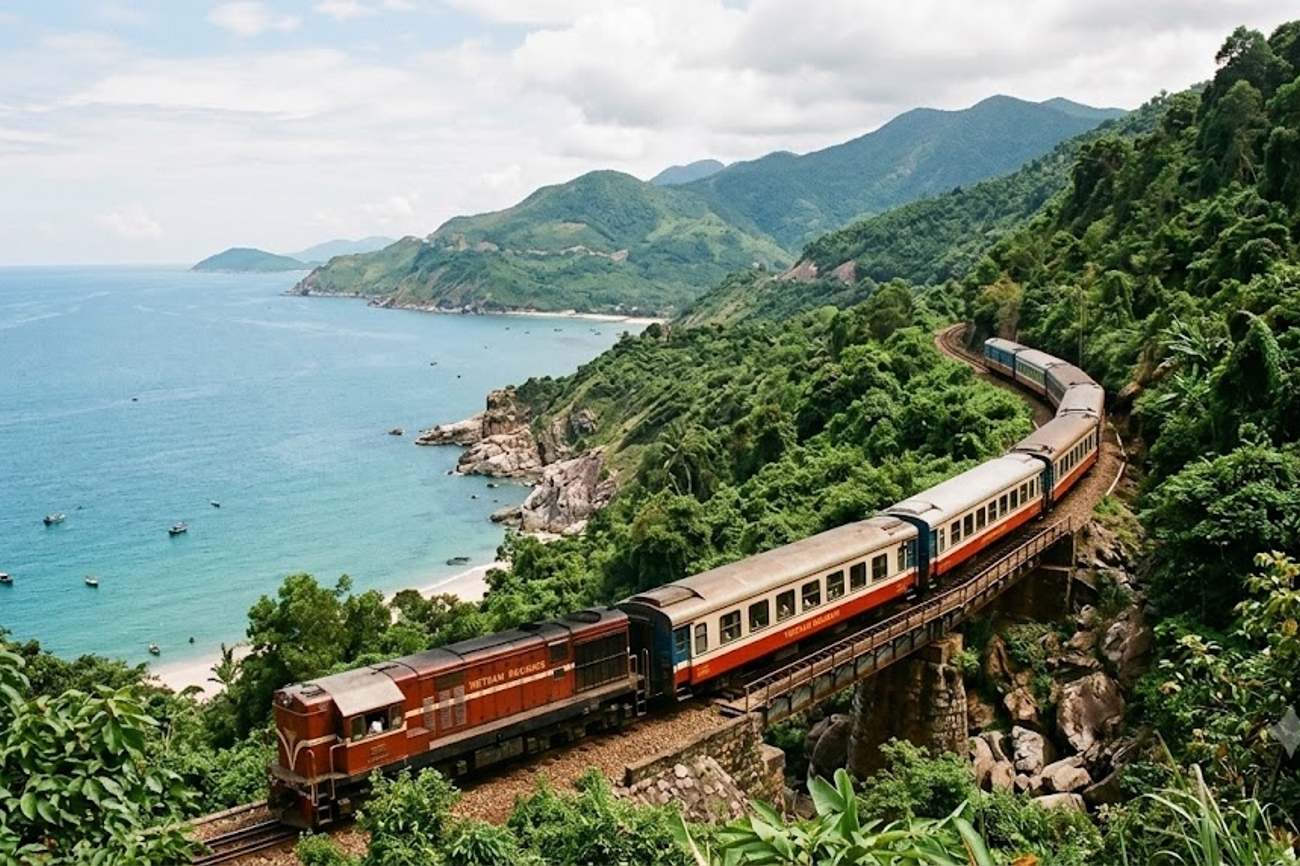
Image generated by AI
1,726 kilometres of steel track connecting Hanoi to Ho Chi Minh City are being repositioned from a basic transit utility into a high-value tourism product. This strategic pivot by Vietnam signals a broader shift in Southeast Asian travel dynamics, where the "slow travel" movement is being leveraged to decentralize tourism revenue away from primary hubs and into the rural hinterlands. By transforming the North-South railway into a curated experience, Vietnam is attempting to capture a higher spend-per-visitor demographic, moving beyond the budget backpacker circuit toward luxury heritage seekers.
The Strategic Pivot to Slow Travel
For decades, the Vietnamese rail network served primarily as a functional link for domestic migration and basic transport. However, the current regulatory and promotional push focuses on "railway tourism," a concept that treats the transit period as the primary attraction. This is not merely a marketing change but a logistical one. By promoting routes like the Hanoi–Ninh Binh line and the Ho Chi Minh City–Phan Thiet connection, the government is actively directing foot traffic toward secondary destinations.
The integration of rail with natural landmarks, such as the Trang An Scenic Landscape Complex and the Mui Ne sand dunes, creates a symbiotic relationship between the Vietnam National Authority of Tourism and the rail operators. This strategy reduces the reliance on short-haul domestic flights, which are often plagued by congestion and environmental scrutiny, and instead offers a scenic alternative that appeals to the environmentally conscious traveler.
Route Analysis and Geographic Impact
The Vietnamese rail network is now segmented into specific "experience zones," each targeting a different traveler profile. The North-South corridor remains the backbone, but the regional spurs are where the most significant growth in "hidden gem" tourism is occurring.
| Route | Primary Attraction | Traveler Profile | Key Geographic Feature |
|---|---|---|---|
| Hanoi $\rightarrow$ Ho Chi Minh City | Reunification Express | Long-haul Explorers | Coastal Plains & Highlands |
| Da Nang $\rightarrow$ Hue | Hai Van Pass | Sightseers/Photographers | Mountains & East Sea |
| Hanoi $\rightarrow$ Ninh Binh | Trang An Complex | Nature Enthusiasts | Karst Landscapes |
| Ho Chi Minh City $\rightarrow$ Phan Thiet | Mui Ne | Beach/Adventure Seekers | Coastal Dunes |
| Hanoi $\rightarrow$ Lao Cai | Sapa Gateway | Mountain Trekkers | Northern Highlands |
The Da Nang–Hue segment is particularly noteworthy. By utilizing the Hai Van Pass, the railway captures a verticality of landscape—moving from sea level to mountain peaks—that is impossible to replicate via highway or air. This specific route acts as a cultural bridge, linking the imperial history of Hue with the modern urbanity of Da Nang.
Expert Analysis: The Economics of Heritage Rail
The introduction of an eight-day luxury heritage journey between Hanoi and Ho Chi Minh City is the most telling indicator of Vietnam's new tourism trajectory. For the luxury traveler, the value proposition is no longer about the speed of arrival, but the exclusivity of the transit. This move mimics the successful models of the Orient Express in Europe or the Rocky Mountaineer in Canada.
For travelers booking these routes, the direct consequence is a bifurcation of the rail experience. We are seeing the emergence of a two-tier system: the standard sleeper services for budget-conscious nomads and premium, curated heritage carriages for high-net-worth individuals. The pricing pressure this creates means that while basic tickets remain accessible, the "experience" components—private dining, guided heritage stops, and premium bedding—will command a significant premium.
From a geopolitical and economic standpoint, this is a move toward "sustainable yield." Instead of a tourist spending 48 hours in a city and leaving, a luxury rail itinerary forces an eight-day engagement with the country. This increases the "leakage" of tourism dollars into smaller towns and regional economies that are bypassed by air travel. By partnering with the International Union of Railways (UIC), Vietnam can align its infrastructure upgrades with global standards for heritage rail, ensuring that these "slow" journeys are supported by modern safety and comfort protocols.
Furthermore, the shift toward rail reduces the carbon footprint per passenger kilometer compared to domestic aviation. As global travelers become more sensitive to the environmental impact of their journeys, the International Air Transport Association (IATA) reports a growing demand for multi-modal trips that integrate rail and air. Vietnam is positioning itself to be the primary beneficiary of this trend in Southeast Asia.
Key Takeaways
- Infrastructure as Attraction: The 1,726-km North-South line is being rebranded from a transit tool to a primary tourist destination.
- Luxury Market Entry: A new eight-day premium heritage service is targeting high-spend travelers, focusing on cultural immersion over speed.
- Regional Decentralization: Strategic routes to Ninh Binh, Phan Thiet, and Lao Cai are designed to push tourism revenue into rural and coastal provinces.
- Slow Travel Alignment: Vietnam is leveraging the global "slow travel" trend to increase the average length of stay for international visitors.
- Multi-Modal Connectivity: Rail is being integrated with natural sites (Trang An) and cultural hubs (Hue) to create a seamless, non-aerial travel loop.
FAQ: Vietnam Rail Tourism 2024
Which is the most scenic train route in Vietnam? The journey between Da Nang and Hue is widely considered the most scenic due to the Hai Van Pass, which offers panoramic views of the East Sea and surrounding mountains.
How long does the full North-South railway journey take? While standard transit varies, the new luxury heritage experience is structured as an eight-day journey from Hanoi to Ho Chi Minh City to allow for cultural stops.
Is the train to Sapa a direct service? The Hanoi–Lao Cai overnight train serves as the primary gateway; travelers typically take a bus or car from Lao Cai to reach the mountain town of Sapa.
What is the "Reunification Express"? It is the historic name for the North-South railway connecting Hanoi and Ho Chi Minh City, symbolizing the country's unification and serving as a major tourist artery.
The tracks of the past are now the blueprints for Vietnam's high-yield tourism future.
Tags: Reunification Express, Hai Van Pass, Vietnam Railways, Hanoi-Ho Chi Minh City Route, Vietnam Slow Travel 2024, Trang An Scenic Landscape Complex
Related Travel Guides
Disclaimer
This article is for informational and educational purposes only. It does not constitute legal, financial, or professional advice. While we strive to provide accurate and up-to-date information, travel policies, regulations, and conditions change rapidly. Always verify information with official sources before making travel decisions. Nomad Lawyer makes no representations about the accuracy, reliability, completeness, or suitability of the information provided. Readers should consult qualified professionals for advice specific to their circumstances. The views expressed in this article are those of the author and do not necessarily reflect the views of Nomad Lawyer.
Preeti Gunjan
Contributor & Community Manager
A passionate traveller and community builder. Preeti helps grow the Nomad Lawyer community, fostering engagement and bringing the reader experience to life.
Learn more about our team →