America Travel Spotlight: Candlelight Halloween Events Turn Historic Venues Into Experiences

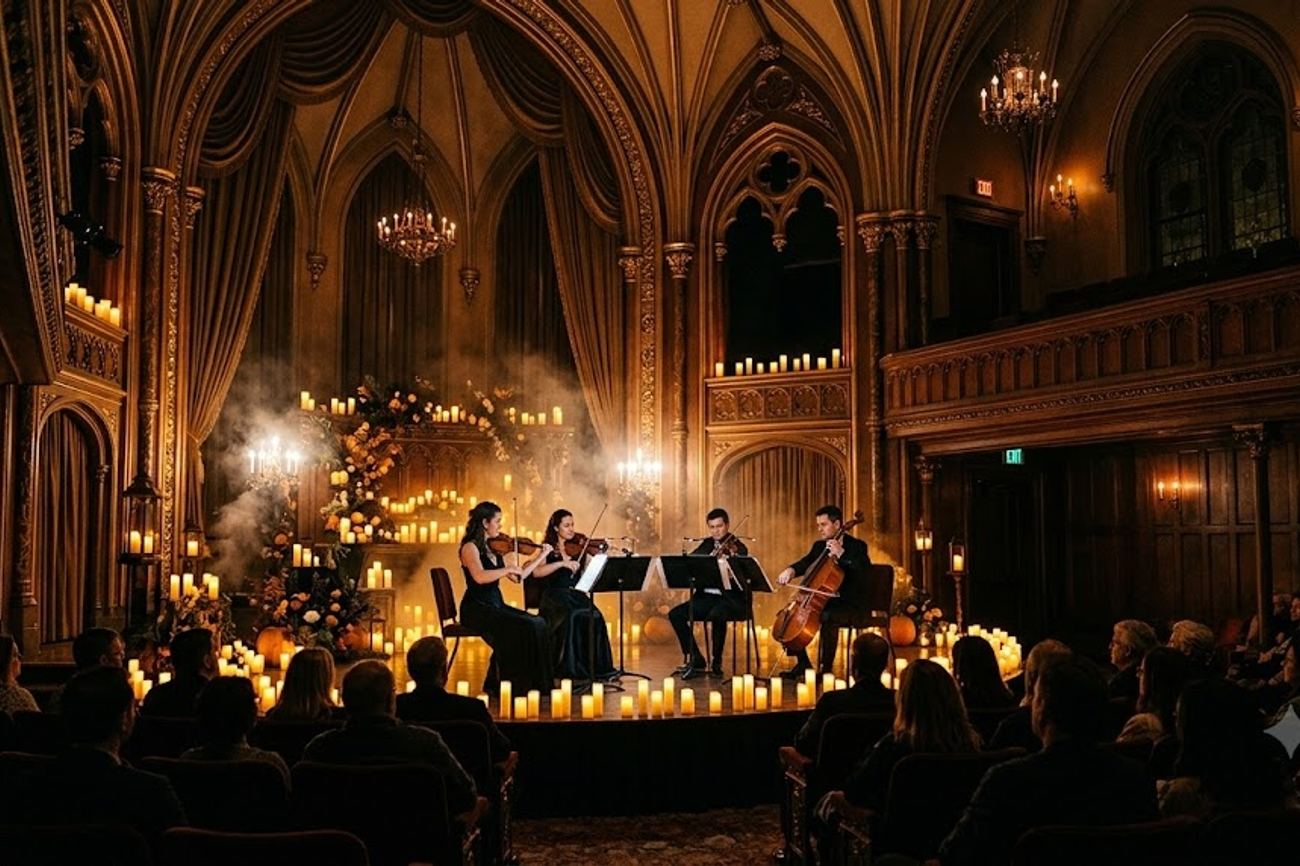
Image generated by AI
The shift toward "experience-led" travel is evident in the transition of seasonal tourism; while traditional autumn travel once relied on foliage and mild weather, the rise of immersive events has transformed Halloween from a 24-hour holiday into a multi-week economic driver. This evolution is exemplified by the Candlelight "A Haunted Evening of Halloween Classics" series, which leverages high-density urban centers to capture "shoulder season" spending. By integrating local string quartets into non-traditional venues, the series signals a broader market movement where the venue itself becomes the primary attraction, rather than just the performance.
The Experience Economy in Numbers: Immersive Seasonal Shifts
The Candlelight series operates on a model of "venue activation," turning static cultural assets into temporary tourism magnets. The data reveals a strategic deployment across diverse US markets, targeting specific tourism niches:
- Luxury Coastal Integration: In Miami Beach, the use of the Fontainebleau Miami Beach connects the event to the high-spend luxury segment.
- Historic Urbanism: The Congress Plaza Hotel & Convention Center in Chicago leverages the city's architectural heritage to draw urban explorers.
- Niche Hybridization: The Phoenix Zoo and the Naismith Basketball Hall of Fame in Springfield, MA, represent a trend of "cross-pollination," where wildlife and sports tourism are merged with seasonal entertainment.
- Heritage Activation: The California State Railroad Museum in Sacramento transforms a historical archive into a live performance space.
This strategy aligns with global shifts reported by the World Travel & Tourism Council (WTTC), which indicate that modern travelers are prioritizing "transformative experiences" over passive sightseeing. The repertoire—ranging from Michael Jackson’s "Thriller" and Bernard Herrmann’s "Psycho" to the "Stranger Things" theme and Camille Saint-Saëns’ "Danse Macabre"—is curated to bridge the gap between classical music enthusiasts and pop-culture consumers, expanding the target demographic.
Comparative Context: Seasonal Tourism Benchmarks
Historically, US domestic travel experienced a sharp decline following the Labor Day weekend, with a brief spike for Indigenous Peoples' Day/Columbus Day. However, the "Halloween-ification" of October has created a new revenue plateau. We are seeing a shift from "Destination-First" travel (visiting a city for its landmarks) to "Event-First" travel (visiting a city specifically for a timed experience).
The following table illustrates the shift in venue utilization and traveler intent during the autumn shoulder season:
| Metric | Traditional Autumn Tourism | Experience-Led Autumn Tourism (Candlelight Model) | Market Impact |
|---|---|---|---|
| Primary Driver | Natural scenery/Weather | Immersive, timed events | Higher urgency to book |
| Venue Type | Parks, Museums (Passive) | Historic Hotels, Museums (Active) | Increased venue ROI |
| Stay Duration | Long-haul road trips | Short-term city breaks/Weekends | Higher hotel occupancy spikes |
| Spending Pattern | General hospitality | Event tickets + Local dining/Retail | Concentrated local spending |
| Demographic | Retirees/Families | Millennials/Gen Z/Culture Seekers | Younger traveler acquisition |
According to data trends from Statista, the "experience economy" is growing faster than traditional retail and hospitality sectors. The Candlelight model optimizes this by utilizing existing infrastructure—like the California State Railroad Museum—rather than constructing new attractions, thereby reducing capital expenditure while maximizing visitor throughput.
Practical Traveler Advisory and Strategic Insights
For the individual traveler, the rise of immersive seasonal events changes the logistics of autumn planning. The data suggests that "event-first" travel creates localized demand spikes that can inflate hotel prices in specific districts.
Actionable Booking Strategies:
- The "District" Strategy: If attending an event at the Congress Plaza Hotel in Chicago or the Fontainebleau in Miami, book accommodations within a 2-mile radius at least 6-8 weeks in advance. Event-led tourism creates "micro-peaks" in occupancy that differ from city-wide averages.
- Bundle the Experience: Because these events are hosted in heritage sites (e.g., the Naismith Basketball Hall of Fame), travelers should schedule their visit to coincide with the venue's standard operating hours. This maximizes the value of the trip by combining a cultural visit with a seasonal event.
- Shoulder Season Pricing: Leverage the fact that these events occur in the "shoulder season." While hotels near the venue may spike, flights into hubs like Phoenix or Sacramento often remain lower than summer peaks. Use IATA market trends to identify the lowest fare windows for October travel to these specific hubs.
Forward Projection: The Future of Venue Activation
The trajectory of the Candlelight series suggests that the "pop-up" cultural event is becoming a permanent fixture of urban tourism. We expect to see a transition toward "Hyper-Seasonal Programming," where venues rotate themes every 30-60 days to maintain a constant stream of visitors.
The integration of diverse venues—from zoos to basketball halls—indicates that the industry is moving away from dedicated concert halls. In the next 24-36 months, we project a rise in "Multi-Sensory Heritage Tourism," where music, lighting (thousands of candles), and historical architecture are sold as a single, integrated product. This will likely lead to more partnerships between entertainment promoters and government-funded museums to offset maintenance costs through private event revenue.
FAQ: Halloween Event Tourism 2024
Will ticket prices for immersive events like Candlelight increase? Yes. As demand for "experience-led" travel grows and venues become more exclusive, dynamic pricing is likely to be implemented. Booking early is recommended to avoid peak-date premiums.
Is October a good time to visit US cities for budget travel? Generally, yes. Outside of the immediate vicinity of major events, October is a shoulder season with lower flight costs than July or December. However, hotel rates near event venues will be higher.
Which cities are expanding their immersive autumn offerings? Major hubs like Chicago and Miami are leading, but mid-sized cities like Sacramento and Springfield are seeing growth as they leverage heritage sites to attract overnight visitors.
Are these events suitable for traditional tourists? Yes. By placing performances in landmarks like the California State Railroad Museum, these events allow traditional sightseeing and modern entertainment to happen simultaneously.
The era of the passive tourist is ending; the era of the immersive participant has arrived.
Related Travel Guides
- UK Travel Revival: Lord Byron Statue Returns to Hyde Park Boosting London Heritage Tourism
- California High-Speed Rail Enters New Oversight Phase After Nearly $600,000 Travel Expense Concerns Surface
- Statistical Office of Serbia Reports 151.3% Surge in Foreign Overnight Stays Along Mokra Gora Šargan Eight Heritage Rail Route
This article is for informational purposes. Flight routes, passenger regulations, visa rules, and transit advisories are subject to change by airlines and aviation authorities. Readers are advised to verify schedules and travel documentation with relevant carriers and border agencies before departure.
Related Stories
Amtrak Expands Loyalty Reach With Bilt Partnership Bringing Housing-Based Rewards to Rail Travellers
The World’s Most Beautiful Train Journeys Revealed: Australia’s Ghan Takes Top Spot in 2026 Index