Vietnam Travel Alert as Vung Tau Coast Witnesses Two Massive Waterspouts Form Offshore in Rare Weather Event

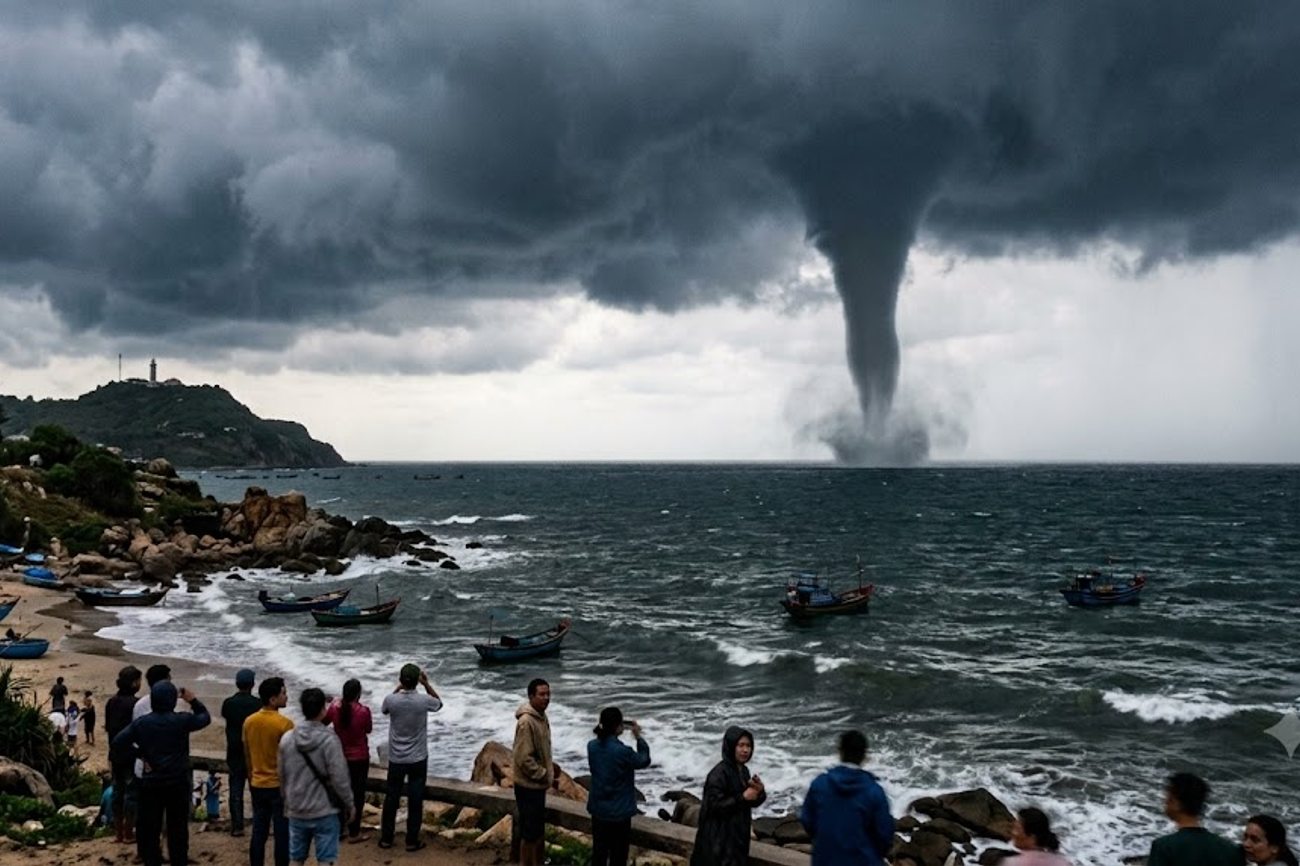
Image generated by AI
[Vung Tau, September 25] — Two massive waterspouts formed off the coast of Vung Tau on Wednesday, signaling a period of severe atmospheric instability in southern Vietnam. The rare meteorological event occurred near the Hon Ba Islet and Bai Sau (Back Beach), where rotating columns of water descended from the clouds to the sea surface in rapid succession.
The first formation appeared at approximately 7 a.m. near Bai Sau and Hon Ba Islet, remaining visible for over 30 minutes before dissipating. Within minutes of the first column vanishing, a second, smaller but intensely rotating waterspout developed in the same offshore vicinity. While the events provided a dramatic visual spectacle for residents and tourists, they underscore a volatile weather pattern currently affecting the region's coastal waters.
Atmospheric Triggers and Weather Instability
The sudden development of these vortices is attributed to a combination of high humidity, warm ocean temperatures, and unstable air masses. According to meteorological principles, these conditions—often exacerbated by tropical convergence zones and low-pressure systems—create the necessary environment for rotating air and water columns to manifest.
This incident is not an isolated occurrence. A previous large waterspout was recorded in the same waters on September 20, remaining visible for roughly 20 minutes. That earlier event occurred in a high-traffic zone used by cargo vessels, highlighting a recurring pattern of instability in the region. The frequency of these events suggests that southern Vietnam is currently experiencing a seasonal transition that favors the rapid development of these unpredictable phenomena.
Affected Zones and Marine Risks
While the September 25 event resulted in no reported injuries or structural damage, the geographic concentration of these events poses a specific risk to maritime operations.
- Primary Impact Zone: The waters surrounding Hon Ba Islet and the coastline of Bai Sau (Back Beach).
- Vulnerable Sectors: Small-scale fishing fleets, tourist boat operators, and cargo vessels navigating the Vung Tau coastal corridors.
- Risk Factors: Sudden changes in wind direction and powerful localized gusts that can capsize smaller vessels or damage coastal infrastructure if the vortex moves onshore.
The World Meteorological Organization (WMO) notes that while waterspouts are often weaker than land-based tornadoes, their unpredictability makes them hazardous to marine traffic. Because these formations can develop and disappear within minutes, they are nearly impossible to forecast with precision using standard weather models.
Practical Traveler Advisory and Strategic Insights
For tourists currently visiting or planning a trip to Vung Tau, this weather activity translates to a heightened need for vigilance during sea-based excursions.
Immediate Passenger Impact:
- Boat Tours and Water Sports: Travelers should expect potential last-minute cancellations of boat tours, jet-skiing, or diving trips if local captains observe storm cloud formations.
- Shoreline Safety: Visitors at Bai Sau beach are advised to maintain a safe distance from the shoreline during periods of high humidity and darkening skies.
- Transit Delays: While air travel to the region remains unaffected, ferry services and coastal transport may experience intermittent pauses to avoid unstable weather cells.
The Vietnam National Administration of Tourism has issued a travel alert for the Vung Tau coast, warning tourists of the rare weather event that witnessed two massive waterspouts form offshore. For the latest updates on travel advisories, visitors can check the official Vietnam National Administration of Tourism website for information on safe areas to visit and emergency contact details. The administration is working closely with local authorities to ensure tourist safety and minimize disruptions to travel plans.
Travelers are urged to monitor real-time updates via the National Center for Hydro-Meteorological Forecasting (NCHMF) to ensure their itineraries are not disrupted by sudden coastal alerts.
Marine Safety and Future Outlook
The repeat occurrence of these phenomena within a five-day window has prompted warnings for all marine operators in the Vung Tau region. Fishermen and coastal service providers are being urged to implement early-course corrections the moment storm clouds appear on the horizon.
The current atmospheric volatility is typical of seasonal shifts in Southeast Asia, but the intensity of the "double waterspout" event is considered rare. Experts suggest that as long as ocean temperatures remain elevated and humidity levels stay high, the risk of further formations persists. Marine operators are encouraged to avoid areas showing signs of strong atmospheric activity and to prioritize early retreat to harbor when weather conditions deteriorate.
As tourism continues to grow along Vietnam's coast, the integration of real-time weather awareness into travel planning is becoming essential. The Vung Tau events serve as a critical reminder that the beauty of coastal landscapes can be accompanied by rapid, high-risk environmental changes.
FAQ: Vung Tau Waterspouts 2024
Are waterspouts in Vung Tau dangerous to tourists on the beach? Generally, these formations remain offshore. However, if a waterspout moves toward the coast, it can cause wind damage. Visitors should move away from the shoreline immediately if they see a rotating column approaching the beach.
Will these weather events affect flights into Vietnam? No. These are localized coastal phenomena. Aviation schedules for major hubs are not impacted by these specific waterspouts, though extreme regional storms can occasionally cause delays.
What should I do if I see a waterspout while on a boat? Immediately notify the captain and steer the vessel away from the rotating column. Avoid the area of the vortex and move toward calmer waters or return to the nearest port.
How long does this unstable weather period usually last? These events are often tied to seasonal transitions and low-pressure systems. While individual waterspouts last minutes, the atmospheric conditions favoring them can persist for several days or weeks.
Stay alert and monitor local maritime advisories before heading offshore in Southern Vietnam.
Related Travel Guides
This article is for informational purposes. Flight routes, passenger regulations, visa rules, and transit advisories are subject to change by airlines and aviation authorities. Readers are advised to verify schedules and travel documentation with relevant carriers and border agencies before departure.
Related Stories
Australia and Philippines Forge Historic Defence Cooperation Pact to Protect Indo-Pacific Trade and Travel Corridors

Phuket Luxury Tourism Surge 2026: High-Net-Worth Arrivals and New Aviation Routes