Venice Joins Santorini and Bali as Iconic Romantic Escapes Adapt to Changing Travel Trends: All You Need to Know

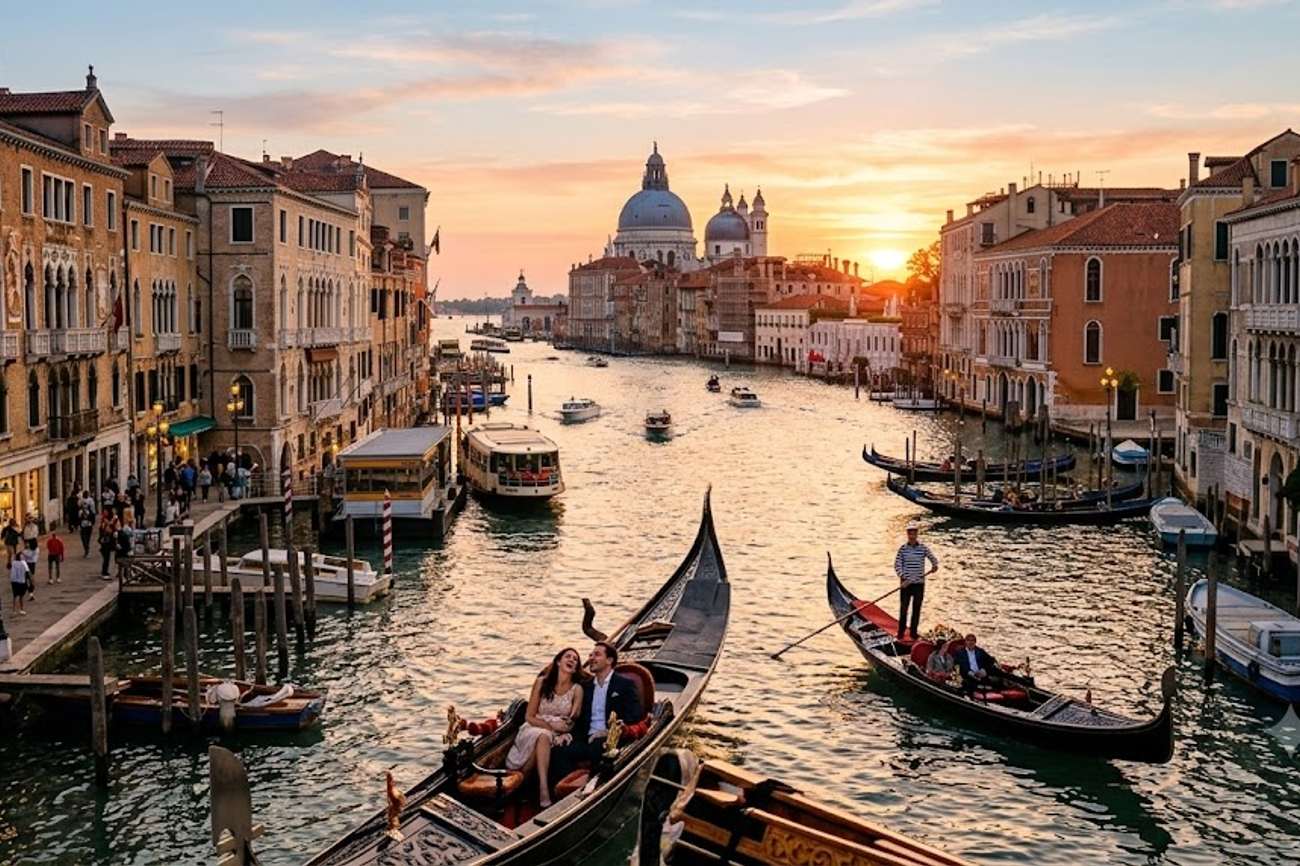
Image generated by AI
Iconic romantic destinations featuring Venice canals Santorini villages and Bali landscapes with global tourism appeal
Some of the world’s most admired romantic destinations are facing a new travel reality. Places once considered perfect escapes for couples and luxury travellers are now experiencing increasing pressure from rising visitor numbers, environmental concerns and changing expectations.
Destinations famous for beautiful landscapes, historic streets and unforgettable experiences are working to balance popularity with long-term sustainability. Venice in Italy, Santorini in Greece, Bali in Indonesia and other globally recognised locations are becoming examples of how tourism success can also create new challenges.
The issue is not that travellers have stopped loving these destinations. Instead, visitors are increasingly looking for more space, authentic local experiences and responsible ways to explore famous places.
Destination Country Main Attraction Current Tourism Challenge Venice Italy Canals, historic architecture and romantic atmosphere Visitor pressure and crowd management Santorini Greece White villages, sunsets and island landscapes Seasonal concentration of tourists Bali Indonesia Beaches, culture and wellness experiences Environmental and infrastructure pressure Paris France Romance, art and heritage High visitor density in famous areas Why are iconic romantic destinations experiencing tourism pressure?
The popularity of famous destinations has grown through social media, global travel campaigns and increased international connectivity. Beautiful images of historic streets, dramatic coastlines and luxury experiences continue to attract millions of visitors.
However, concentrated tourism creates challenges when large numbers of travellers arrive in limited areas during the same periods.
Venice, like Santorini and Bali, is adapting to changing travel trends by implementing sustainable tourism practices, as outlined by the Italian National Tourism Board to reduce overcrowding and preserve its unique cultural heritage. This shift is expected to enhance the overall experience for visitors, making it an even more appealing romantic escape. By embracing eco-friendly initiatives, Venice aims to maintain its allure while promoting responsible travel.
Common issues include:
Tourism Pressure Effect on Destinations High visitor numbers Crowded attractions Seasonal demand Pressure during peak months Rising accommodation demand Increased costs for local communities Environmental impact Greater need for protection measures Infrastructure strain Additional pressure on transport and services
Cities and islands are increasingly focusing on visitor management strategies to protect their identity while continuing to welcome travellers.
Venice works to protect its romantic charm while managing visitor demand
Venice remains one of the world’s most recognised romantic destinations, attracting visitors with its canals, historic buildings, artistic heritage and unique atmosphere.
However, the Italian city has faced long-term discussions about managing tourism pressure in its historic centre. The city has introduced measures aimed at improving visitor management, including restrictions on certain activities and an access fee system for some day visitors during busy periods.
Venice Experience Why Travellers Visit Grand Canal Iconic waterways St Mark’s Square Historic city landmark Gondola journeys Traditional romantic experience Historic architecture Cultural tourism Art and museums Heritage exploration
For many travellers, Venice remains a dream destination, but the city is increasingly encouraging visitors to explore responsibly and consider longer stays rather than short visits focused only on famous landmarks.
The future of Venice tourism depends on maintaining a balance between welcoming global visitors and preserving the city’s unique character.
Santorini faces the challenge of protecting its island beauty
Santorini is internationally recognised for its dramatic volcanic landscape, cliffside villages and famous sunset views. The Greek island has become one of the Mediterranean’s most photographed destinations.
The island’s popularity has created strong tourism demand, especially during the summer season. This has encouraged discussions around sustainable tourism management, infrastructure capacity and protecting local communities.
Passenger logistics are being revamped in Venice to accommodate the growing number of visitors, with the Venice Marco Polo Airport investing in new infrastructure to streamline arrivals and departures. This includes improved baggage handling and check-in systems, designed to reduce wait times and make traveling more efficient. Additionally, the airport is enhancing its services to cater to the diverse needs of travelers, ensuring a smoother journey to and from this iconic destination.
Santorini Attraction Visitor Appeal Oia village Famous sunset views Caldera coastline Volcanic landscapes Traditional villages Island culture Beaches Mediterranean experiences Local cuisine Authentic food tourism
Greece has increasingly focused on spreading tourism beyond its most famous islands and encouraging travellers to discover mainland destinations and lesser-known regions.
This approach aims to create a more balanced tourism model where visitors can enjoy Greek culture without concentrating entirely on a small number of locations.
Bali explores a more sustainable future beyond traditional holiday tourism
Bali has long been one of Asia’s most popular romantic and wellness destinations. Travellers visit the Indonesian island for beaches, temples, nature, yoga retreats and cultural experiences.
However, rapid tourism growth has created challenges involving waste management, traffic, environmental protection and pressure on local resources.
Bali Experience Tourism Appeal Ubud Culture and wellness Beaches Relaxation and leisure Temples Spiritual tourism Rice terraces Nature experiences Local traditions Cultural discovery
Bali has introduced tourism management initiatives aimed at encouraging responsible visitor behaviour and protecting its natural and cultural assets.
The destination continues to attract travellers, but many visitors are now seeking slower travel experiences that connect more deeply with local communities.
Why are travellers moving towards alternative romantic destinations?
The changing tourism landscape is creating opportunities for lesser-known destinations.
Tourism insights suggest that travelers are increasingly seeking immersive experiences, driving the demand for local guides and authentic encounters, as recommended by the UNESCO World Heritage Centre. To cater to this trend, Venice is promoting its hidden gems and off-the-beaten-path attractions, allowing visitors to delve deeper into the city's rich history and culture. By exploring beyond the popular landmarks, travelers can uncover the true essence of Venice, making their romantic escape even more unforgettable.
Many travellers are now choosing places that offer:
Fewer crowds Local cultural experiences Nature-based activities Authentic food traditions Sustainable accommodation
Alternative romantic destinations are gaining attention because they provide similar emotional experiences without the same level of visitor pressure.
Examples include:
Alternative Destination Country Travel Appeal Puglia Italy Coastal villages and local culture Naxos Greece Authentic island experiences Slovenia’s Lake Bled Slovenia Romantic nature landscapes Madeira Portugal Scenic landscapes and outdoor travel Kyoto alternatives Japan Heritage and traditional experiences
This shift does not mean famous destinations are losing their appeal. Instead, it shows that travellers are becoming more interested in meaningful journeys.
How are destinations adapting to the future of romantic travel?
Tourism authorities and local communities are increasingly focusing on quality experiences rather than simply increasing visitor numbers.
Modern destination strategies include:
Strategy Purpose Visitor limits Reduce pressure on sensitive areas Off-season promotion Spread tourism throughout the year Sustainable transport Lower environmental impact Local experiences Support communities Responsible tourism campaigns Encourage better visitor behaviour
The future of romantic travel is expected to focus more on authenticity, connection and sustainability.
Couples are increasingly searching for destinations where they can enjoy memorable experiences while respecting local environments and cultures.
Famous destinations remain attractive despite tourism challenges
Although popular destinations face challenges, their global appeal remains strong.
Venice continues to inspire travellers through its canals and history. Santorini remains famous for its landscapes and romantic atmosphere. Bali continues to attract visitors through culture, nature and wellness.
The key change is how travellers experience these destinations.
Future tourism will likely move towards:
Longer stays Deeper cultural connections Responsible exploration Exploring beyond famous landmarks
The world’s most romantic
FAQ: Venice Joins Santorini and Bali as Iconic 2026
What's new in Venice for 2026? Eco-friendly tours and sustainable accommodations.
How has Santorini adapted to trends? Luxury villas with private pools and stunning views.
What's Bali's latest attraction? Wellness retreats and yoga resorts.
When is the best time to visit? September to November for pleasant weather.
Related Travel Guides
This article is for informational purposes. Flight routes, passenger regulations, visa rules, and transit advisories are subject to change by airlines and aviation authorities. Readers are advised to verify schedules and travel documentation with relevant carriers and border agencies before departure.
Related Stories

Melbourne Airport Unveils AU$500 Million T2 Baggage Upgrade: Traveler Guide 2026
Cape Town Completes Table View Beachfront Coastal Transformation Ahead of 2026-2027 Summer Season