
Venice Hike Visitor Entry Fee to €50 Peaks in 2026
Venice's incoming mayor Simone Venturini proposes doubling visitor entry fees to €50 on peak days in 2026. The dramatic increase targets overtourism while funding critical city infrastructure and improving resident quality of life in the lagoon city.

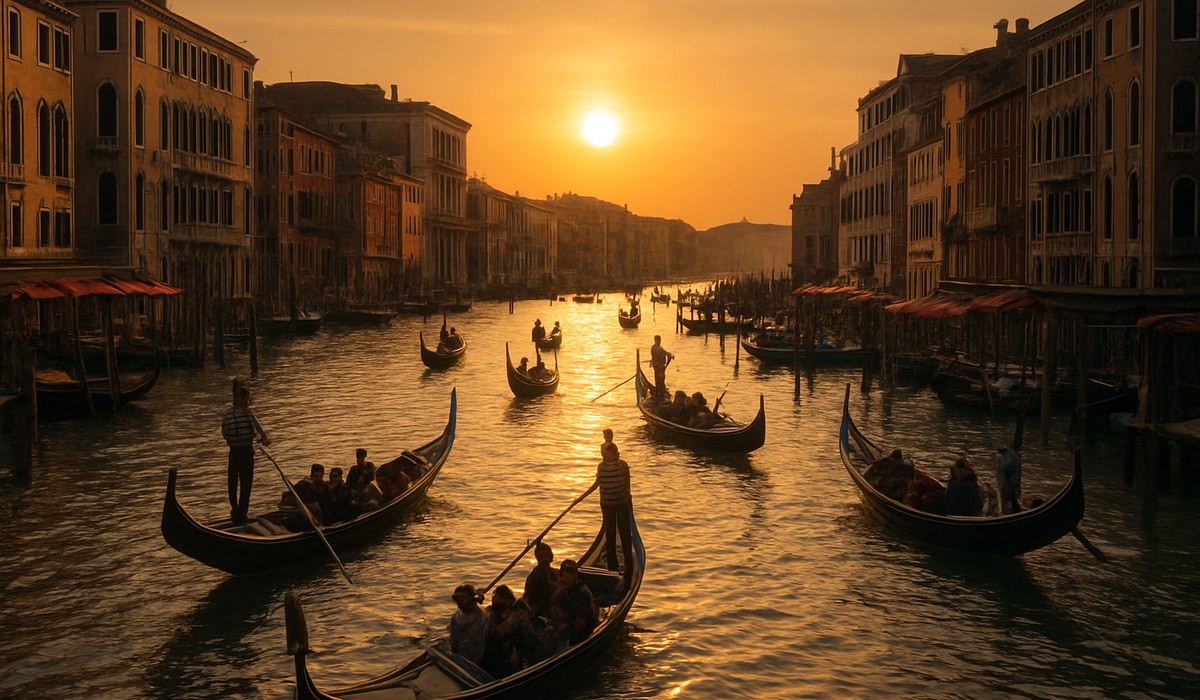
Image generated by AI
Venice's Proposed Fee Hike: From Experiment to Action
Venice's newly appointed Mayor Simone Venturini has announced plans to nearly double the city's visitor entry fee to €50 on peak days, escalating a bold experiment that began in 2024. The Adriatic lagoon city, facing unprecedented overtourism pressures, aims to transform its entrance fee into a powerful curb on mass tourism while simultaneously generating sustainable revenue for infrastructure maintenance. This represents a dramatic shift from the initial €5 fee introduced two years ago. The proposal marks Venice's most aggressive attempt yet to preserve the UNESCO World Heritage site while protecting the quality of life for its 260,000 remaining residents, many of whom have fled due to water damage, flooding, and constant tourist congestion.
The fee structure would implement sliding scales depending on visitor volume and seasonal demand. Peak-day fees would reach €50 for walk-in tourists, while off-season visits might remain closer to €25–€30. The initiative requires final government approval from Rome but has already garnered support from environmental advocates and city planning officials concerned about structural damage to Venice's historic foundations.
Who Qualifies for Venice Entry Requirements?
Effective travel planning for Venice now requires understanding the current entry fee system and anticipated changes. Most international visitors, regardless of nationality, must pay the Venice hike visitor entry fee when arriving by water taxi or public transport during designated entry periods. EU citizens, non-EU tourists, and digital nomads all fall under the same payment requirements.
Children under age 6 typically receive exemptions. Residents of the Veneto region, Italian citizens with local documentation, and specific worker categories remain exempt. Students with valid university identification may qualify for reduced rates. Day-trippers arriving from nearby mainland towns face the same fees as international arrivals. Cruise ship passengers are often charged separately through their operators.
To verify your eligibility and current fee classifications, consult the official Venice tourism portal or contact your accommodation provider before arrival. The fee structure continues evolving, so confirmation remains essential for budget planning.
How Higher Entry Fees Address Overtourism
Venice receives approximately 30 million visitors annually—a staggering figure for a city with just 260,000 residents. The venice hike visitor fee strategy directly targets this imbalance by making day-trip visits economically less attractive, encouraging longer stays or deterring casual tourism altogether. Higher entry costs during peak months (May, June, September, October) naturally redistribute visitor flow to shoulder seasons.
Research from the University of Venice suggests that €50 peak-day fees could reduce daily tourist arrivals by 20–30 percent during summer months. This reduction directly lessens strain on ancient infrastructure, including the basilicas, bridges, and water systems that suffer accelerated deterioration under constant foot traffic. The curb on overtourism also improves air quality, reduces water pollution from boat congestion, and creates quieter public spaces for residents attempting normal daily activities.
Comparatively, Barcelona, Barcelona implemented similar congestion-pricing models in its Gothic Quarter, yielding measurable improvements in resident satisfaction and heritage preservation. Venice's approach mirrors this successful international precedent while addressing the lagoon city's unique water-based vulnerabilities.
Funding City Infrastructure and Resident Quality of Life
Revenue generated from the €50 peak-day fee would directly fund Venice's most pressing infrastructure needs. The city loses €10 million annually to high-tide flooding damage alone. Projected annual revenue from increased entry fees could reach €80–120 million, contingent on government approval and implementation timing.
Allocated funds would support reinforced embankment maintenance, dike system improvements, and water-management infrastructure designed to combat rising sea levels and acqua alta (high water) cycles. Additionally, revenue supports resident relocation assistance programs, property damage compensation, and affordable housing initiatives meant to reverse depopulation trends.
The Veneto regional government views the fee as essential for Venice's long-term sustainability. Current resident numbers have dropped from 175,000 in 1951 to just 260,000 today—a crisis driven largely by infrastructure deterioration, flooding risk, and tourist-induced quality-of-life decline. Mayor Venturini's proposal directly addresses this demographic emergency by funding both physical preservation and resident incentive programs.
For current information on fee allocation and infrastructure projects, visit the Venice Municipality official website or contact the city's tourism department directly.
What This Means for Travelers and Digital Nomads
The proposed €50 peak-day venice hike visitor fee significantly impacts travel budgeting, accommodation selection, and itinerary planning for nomadic professionals and leisure tourists.
Here are actionable considerations:
-
Adjust travel timing strategically. Off-season visits (November–March, excluding Christmas holidays) will likely retain lower entry fees (€25–€30), reducing overall trip costs while providing fewer crowds and authentic local experiences.
-
Calculate multi-day stays economically. Spending three or more days in Venice may become financially prudent, as the entrance fee represents 10–15% of typical accommodation costs. Extended stays distribute per-diem expenses more favorably than day-trips.
-
Budget €50 per person for peak-season visits. If traveling during May–October, expect entry costs of €50 per adult per visit. Family trips with children under 6 remain exempt, providing some cost mitigation for parents.
-
Book accommodations outside Venice's center strategically. Mestre or Padua-based accommodation costs 40–60% less than Venice center hotels while remaining a 10–15 minute train ride away. This approach maximizes location flexibility while reducing total Venice visits needed.
-
Leverage digital nomad visa programs. Italy's Digital Nomad Visa allows extended stays for remote workers. Longer residency (30+ days) can qualify holders for reduced-rate resident passes and exemptions from peak-day fees.
-
Plan around government approval timing. The €50 fee requires final parliamentary approval, anticipated for September 2026. Current fees remain at €25–€30 until implementation, providing a window for budget-friendly visits.
Key Data: Venice Entry Fee Structure and Implementation Timeline
| Metric | Current Status | Proposed Change | Implementation |
|---|---|---|---|
| Peak-Day Entry Fee | €25–€30 | €50 | September 2026 (pending approval) |
| Off-Season Entry Fee | €5–€10 | €25–€30 | September 2026 (pending approval) |
| Annual Visitor Arrivals | 30 million | Projected 21–24 million (20–30% reduction) | Post-implementation |
| Expected Annual Revenue | €45–65 million | €80–120 million | Fiscal year 2027 |
| Children Under 6 Exemption | Yes (free entry) | Yes (free entry) | Unchanged |
| Veneto Resident Exemption | Yes | Yes | Unchanged |
| Projected Infrastructure Funding | €10–15 million annually | €30–40 million annually | 2027–2030 |
| Fee Collection Method | Water entry checkpoints, ferry terminals | Expanded digital gates, apps, RFID | Phased rollout through 2026 |
FAQ: Venice Entry Fees and Travel Planning
Q: Will I need to pay the €50 fee every time I enter Venice in 2026?
A: Only during peak days (typically May–October). Off-season visits currently cost €5–€10, potentially increasing to €25–€30 pending approval. Once-daily entry is standard; re-entry within 24 hours may incur additional charges. Check the [Venezia Unica official site](https://
Disclaimer
This article is for informational and educational purposes only. It does not constitute legal, financial, or professional advice. While we strive to provide accurate and up-to-date information, travel policies, regulations, and conditions change rapidly. Always verify information with official sources before making travel decisions. Nomad Lawyer makes no representations about the accuracy, reliability, completeness, or suitability of the information provided. Readers should consult qualified professionals for advice specific to their circumstances. The views expressed in this article are those of the author and do not necessarily reflect the views of Nomad Lawyer.
Kunal K Choudhary
Co-Founder & Contributor
A passionate traveller and tech enthusiast. Kunal contributes to the vision and growth of Nomad Lawyer, bringing fresh perspectives and driving the community forward.
Learn more about our team →