Valle de Guadalupe Vineyard Wellness Route Baja Guide 2026

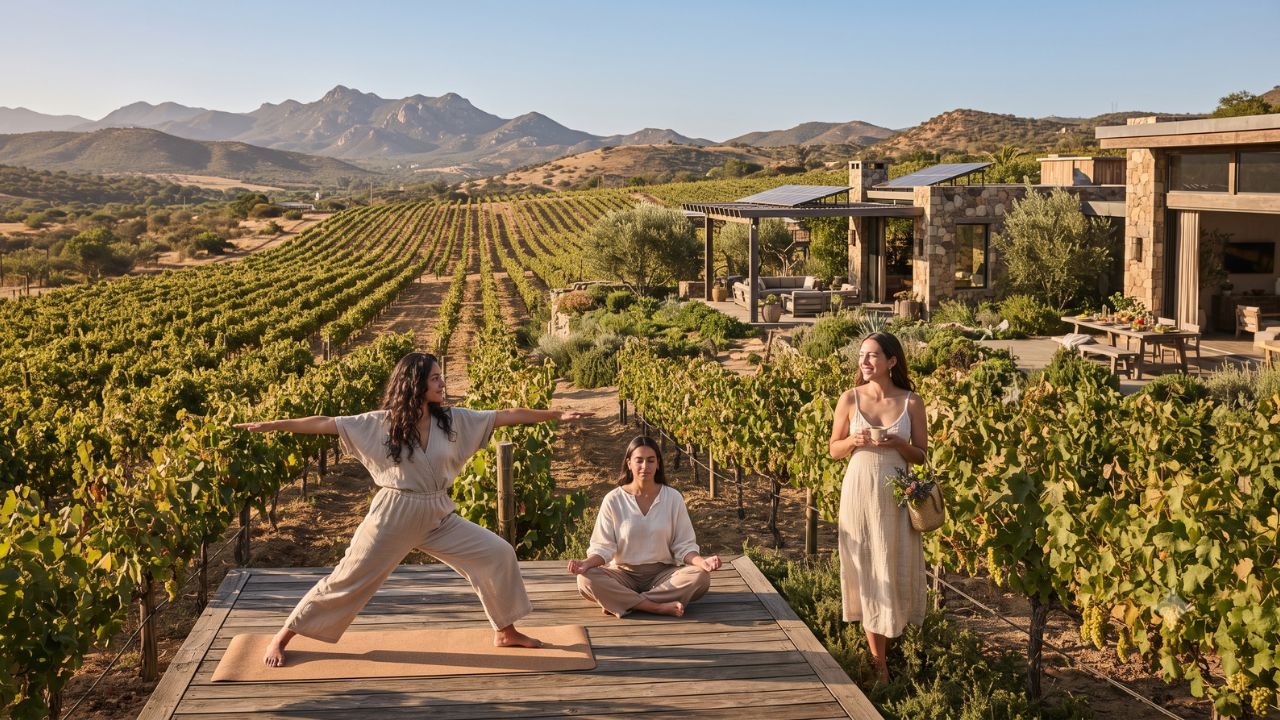
Valle de Guadalupe yields nearly 90% of Mexico's commercial wine, yet the high-desert valley is fundamentally reinventing its tourism model by trading high-volume party crowds for silent vineyard sound baths and grape-seed vinotherapy. Officially introduced by the Baja California Secretariat of Tourism, the groundbreaking Ruta Wellness entre Viñedos (Wellness Route Among Vineyards) establishes a structured eco-wellness corridor that merges world-class enology with holistic physical restoration and native botanical healing.
Situated just 90 minutes south of the San Ysidro international border crossing, the valley's Mediterranean microclimate, rolling granite hills, and Pacific breezes provide an ideal setting for mindful travel. Rather than treating wine tasting as a hurried checklist, the new government-backed route invites travelers to spend four to five days immersed in regenerative architecture, plant-forward Baja-Med dining, and starlit open-air meditations.
The Pillars of the Ruta Wellness entre Viñedos
The initiative addresses travel burnout through four interconnected wellness dimensions, uniting boutique vineyards, holistic retreat centers, and certified local practitioners under verified environmental guidelines.
| Wellness Pillar | Signature Experience | Regional Natural Elements | Target Traveler Benefit |
|---|---|---|---|
| Terroir Vinotherapy | Grape-seed exfoliations & warm wine wraps | Cold-pressed olive oil, crushed Nebbiolo seeds | Cellular skin regeneration & anti-inflammation |
| Acoustic & Mindful Rest | Open-air sound baths & sunrise vineyard yoga | Native chaparral breeze, granite amphitheaters | Deep nervous system reset & stress reduction |
| Regenerative Gastronomy | Plant-forward "vine-to-table" tasting menus | Heritage olives, organic valley produce, local herbs | Gut health nourishment & conscious indulgence |
| Dark Sky & Trail Immersion | Night stargazing & silent labyrinth walks | Unpolluted desert skies, endemic desert sage | Digital detoxification & circadian rhythm repair |
Harmonizing Terroir with Holistic Body Therapies
At the foundation of this wellness transformation is the integration of traditional winemaking byproducts into therapeutic body treatments. Boutique estates across the northern and southern sectors of the valley have converted cellar annexes and outdoor pergolas into natural treatment pavilions.
Certified wellness therapists harvest antioxidant-rich grape skins and seeds leftover from autumn pressings, combining them with estate-grown olive oils and mineral-rich Baja clay. These signature scrubs, facial serums, and hydrotherapy baths utilize polyphenols to counter oxidative stress. By linking treatments directly to regional agriculture promoted through Visit Mexico, the route ensures wellness tourism remains authentic to Baja California's geographic identity.
Regenerative Architecture and Off-Grid Eco-Resorts
Accommodations participating in the Ruta Wellness entre Viñedos must comply with strict regional sustainability benchmarks administered by the Baja California Secretariat of Tourism.
Properties along the route emphasize:
- Low-Impact Bioclimatic Architecture: Earth-berm villas, ramada shade roofs, and rammed-earth suites constructed from local soil and granite boulders that naturally regulate indoor temperatures without excessive air conditioning.
- Water Recycling and Drip Irrigation: Graywater bio-filtration systems that treat all guest wastewater for reuse in non-irrigated olive groves and drought-tolerant botanical gardens.
- Digital Sanctuary Environments: Guest rooms purposefully designed without television screens, encouraging visitors to reconnect through private plunge pools, wood-burning outdoor fire pits, and guided nighttime constellation tours under exceptionally clear desert skies.
Culinary Renewal: Plant-Forward Baja-Med Philosophy
Valle de Guadalupe's culinary revolution has long been celebrated for innovative seafood and wood-fired cooking. Under the wellness route framework, celebrated valley chefs are elevating plant-forward, seasonal gastronomy.
Menus feature heirloom tomatoes, wild-foraged sea asparagus from the San Quintín wetlands, cold-pressed Mission olive oils, and biodynamic organic wines produced without synthetic sulfites or artificial fining agents. Daily culinary workshops allow visitors to pick organic greens alongside agricultural workers before participating in mindful tasting lunches paired with low-alcohol natural wines.
Visitor Insider Tips
- Base Yourself for at Least Four Nights: A quick weekend rush from the border defeats the purpose of the wellness route. Dedicate a minimum of four to five full days to adapt to the valley's slow tempo, schedule morning therapies, and navigate dirt access roads unhurriedly.
- Rent an SUV with Ground Clearance: While the main Highway 3 thoroughfare is paved, many of the most serene eco-resorts, olive groves, and meditation pavilions sit along unpaved dirt trails that require decent vehicle clearance.
- Pre-Book Wellness Sessions Weeks Ahead: Holistic sound therapists, certified yoga instructors, and private vinotherapy cabanas operate at low guest-to-practitioner ratios. Book all treatments directly with certified operators prior to arrival.
- Embrace the Valley's Day-to-Night Temperature Swing: High-desert conditions bring warm, sun-drenched afternoons followed by crisp, chilly nights with ocean breezes. Pack breathable linen for midday vineyard walks and heavy wool layers for open-air evening sound baths.
- Engage with Indigenous Kumeyaay Artisans: Visit the nearby community of San Antonio Nécola to learn about traditional Kumeyaay basketry, indigenous herbal tinctures, and centuries-old ethnobotanical wisdom honoring sacred valley plants.
Cultural and Environmental Context
Valle de Guadalupe occupies the ancestral lands of the Kumeyaay Nation, whose knowledge of indigenous oak groves and medicinal desert plants forms the foundation of regional herbal therapies. Supporting local Kumeyaay artisan collectives and community historians ensures that the valley's cultural memory is celebrated alongside contemporary viticulture.
Environmentally, the valley faces severe freshwater aquifer challenges due to prolonged regional drought and rapid commercial development. The Ruta Wellness entre Viñedos represents an essential paradigm shift away from water-intensive mega-developments toward regenerative viticulture. By capping visitor footprints, prioritizing dry-farmed vineyards, and supporting conservation guidelines aligned with national environmental bodies like CONANP, mindful travelers help safeguard this precious agricultural sanctuary for future generations.
FAQ: Planning a Valle de Guadalupe Wellness Retreat 2026
What is the Ruta Wellness entre Viñedos in Valle de Guadalupe?
It is an official Baja California tourism initiative linking boutique vineyards, eco-resorts, organic spas, and restorative gastronomy focused on health and rest.
How far is Valle de Guadalupe from the US border?
The valley is situated approximately 90 minutes (75 miles) south of the San Diego / Tijuana San Ysidro international border via Highway 1 and Highway 3.
How many days are recommended for the vineyard wellness route?
Travelers are encouraged to spend a minimum of four to five days to experience unhurried therapies, organic culinary workshops, and nature walks.
What ingredients are used in regional vinotherapy treatments?
Treatments incorporate locally harvested grape-seed extracts, cold-pressed Baja olive oils, indigenous desert herbs, and mineral-rich regional clays.
Related Travel Guides
- Coushatta Casino Resort Unveils Legacy Tower: 1,000+ Rooms Transform Louisiana Hospitality and Regional Tourism Economy
- Yellowstone Sees Millions of Summer Tourists in 2026 as West Entrance Handles 43% of Vehicle Traffic
- Singapore Tourism Board and Agoda Sign 3-Year AI Partnership to Transform Smart Tourism in 2026
This article is for informational purposes. Flight routes, passenger regulations, visa rules, and transit advisories are subject to change by airlines and aviation authorities. Readers are advised to verify schedules and travel documentation with relevant carriers and border agencies before departure.
Related Stories

Mexico and Costa Rica Issue Urgent Health Alerts for Cyclosporiasis and Hepatitis A Outbreaks 2026
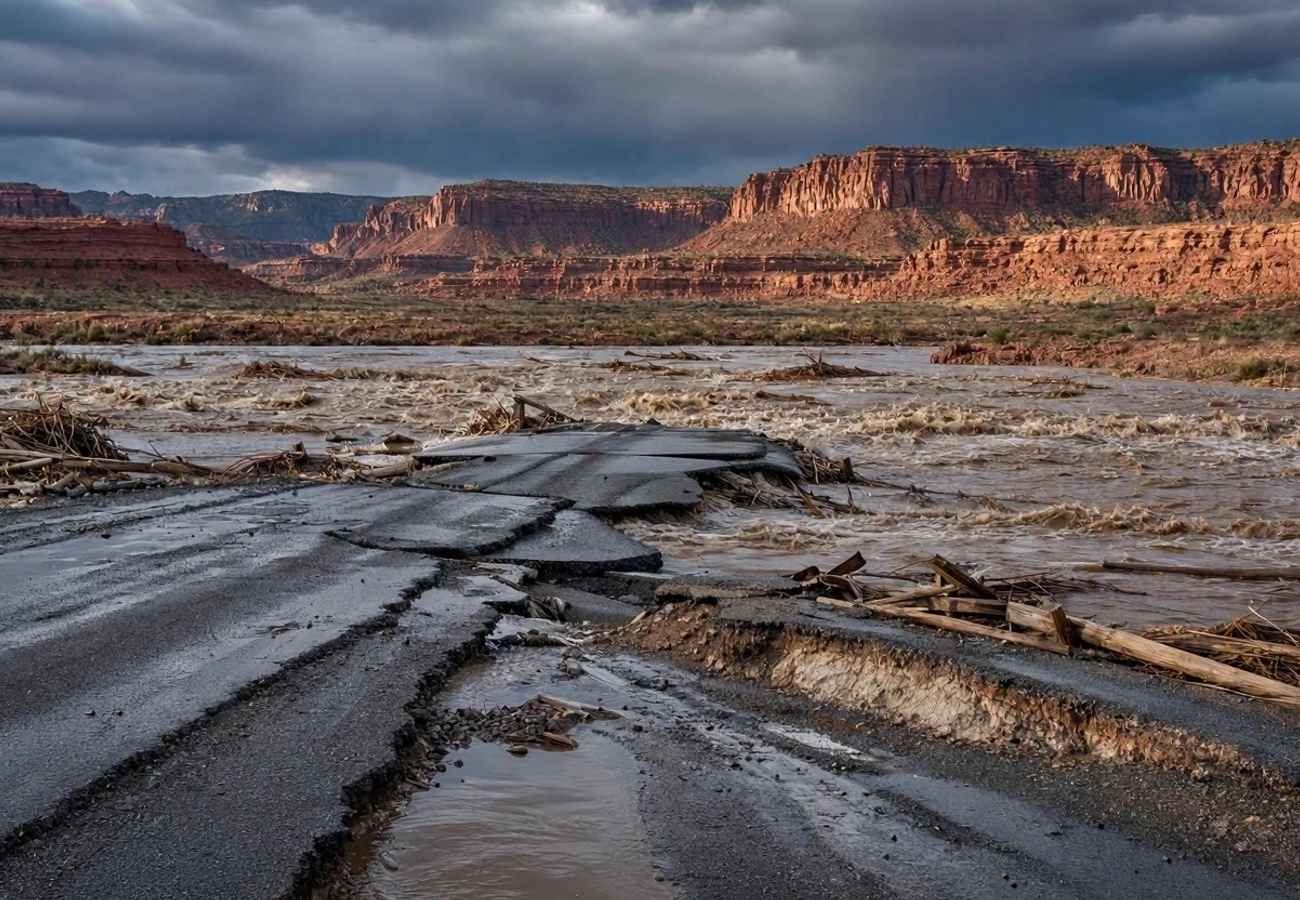
New Mexico Flood Crisis 2026: San Juan River Surges and Road Closures Impact US Southwest Travel