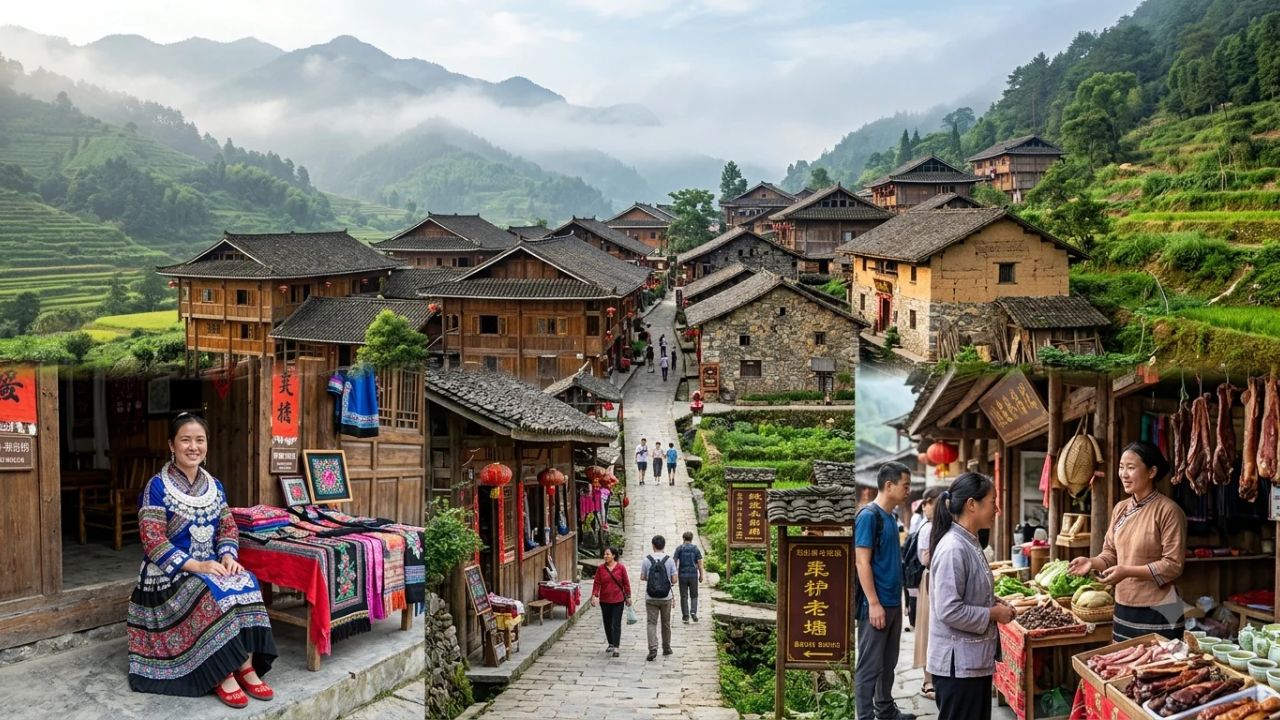
Bangkok’s Song Wat Road Named World’s Coolest Street for 2026 as Heritage Meets Creative Renaissance

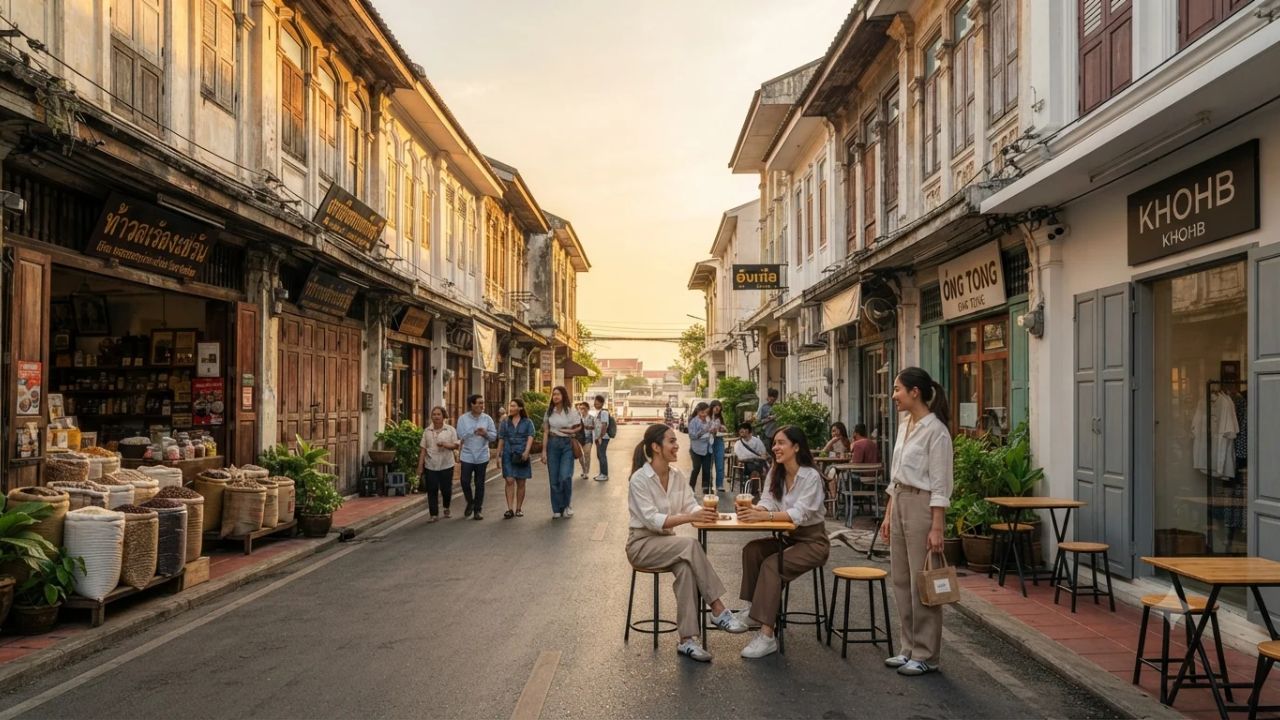
Bangkok’s historic Song Wat Road has been named the World’s Coolest Street for 2026 by global cultural authority Time Out, surpassing celebrated thoroughfares in London, Buenos Aires, and Singapore in its annual assessment of international urban destinations. Tracing 1.2 kilometers along the eastern bend of the Chao Phraya River in the capital's historic Chinatown, the century-old mercantile artery earned the premier global ranking for its community-led creative regeneration spearheaded by the Made in Song Wat collective. By preserving century-old Teochew wholesale spice and agricultural merchants alongside avant-garde culinary concepts, micro-roasteries, and independent design studios, Song Wat demonstrates an alternative urban tourism model that celebrates living heritage without displacing local commercial ecosystems.
The global accolade reflects a decisive evolution in modern city tourism. International travelers are increasingly bypassing homogenous retail mega-malls and crowded landmark monuments, choosing instead to explore character-rich neighborhoods that retain authentic communal life and architectural texture. In Bangkok, while neon-lit Yaowarat Road attracts late-night street food crowds, neighboring Song Wat Road provides a more contemplative, design-forward sanctuary. The street’s recognition marks a major milestone for Thailand’s creative economy, proving that sustainable, community-driven urban revitalization can elevate historic trading corridors onto the global stage while preserving the cultural roots of multi-generational Sino-Thai residents.
========================================================================================
SONG WAT ROAD: TIME OUT WORLD'S COOLEST STREET (2026 SCORECARD)
========================================================================================
Global Recognition               Ranked #1 in Time Out World's Coolest Streets (2026)
Total Candidates Evaluated       28 Globally Nominated Cultural Streets Worldwide
Geographic Setting               Samphanthawong District, Chinatown, Bangkok, Thailand
Corridor Orientation             1.2 Kilometers Running Parallel to the Chao Phraya River
Historical Foundation            Laid Out in 1906 by Royal Decree of King Chulalongkorn (Rama V)
Literal Name Meaning             "Song Wat" Translates to "Drawn by the King's Hand"
Foundational Commerce            Wholesale Trading (Peanuts, Coffee Beans, Spices, Flour)
Community Collective             "Made in Song Wat" (Founded in 2022; 60+ Member Businesses)
Architectural Identity           Restored Sino-Portuguese & Neoclassical Stucco Shophouses
Primary Transit Waterway         Rachawong Pier (N5) & Marine Department Pier (N4)
Nearest Rail Transit             MRT Blue Line: Wat Mangkon Station (8-Minute Walk)
Adjacent Cultural Precincts      Yaowarat Night Food Strip & Talat Noi Creative Enclave
========================================================================================
Source: Time Out Worldwide City Index & Tourism Authority of Thailand (TAT) Releases (2026).
========================================================================================
The Global Ranking: How Bangkok Surpassed London, Buenos Aires, and Singapore
To determine the World’s Coolest Streets, Time Out polled its worldwide network of urban editors, local cultural writers, and independent travel contributors across dozens of major international cities. The editorial board evaluated contenders against strict qualitative benchmarks: food and beverage vitality, independent commercial enterprise, architectural preservation, active community participation, pedestrian atmosphere, and resistance to corporate monoculture.
In the final 2026 global rankings, Song Wat Road captured first place, outperforming premier artistic and culinary districts across Europe, the Americas, and the Asia-Pacific region:
========================================================================================
TIME OUT WORLD'S TOP 10 COOLEST STREETS (2026 GLOBAL RANKING)
========================================================================================
Rank  Street Name               City & Country             Key Urban Characteristic
----------------------------------------------------------------------------------------
1     Song Wat Road             Bangkok, Thailand          Riverside heritage & creative shophouses
2     Golborne Road             London, United Kingdom     Eclectic antique markets & Portuguese cafes
3     Fernández de Enciso       Buenos Aires, Argentina    Tree-lined cobblestones & neighborhood bistros
4     Vaasankatu                Helsinki, Finland          Bohemian craft beer bars & indie boutiques
5     Neil Road                 Singapore                  Preserved Peranakan shophouse mixology hubs
6     Boulevard Saint-Laurent   Montreal, Canada           Multicultural dining corridor & street art
7     Upper Lascar Row          Hong Kong                  Historic antique peddlers & modern tea salons
8     Rua do Forno do Tijolo    Lisbon, Portugal           Community ceramic studios & natural wine bars
9     Beach Street              George Town, Malaysia      Colonial mercantile facades & street cuisine
10    Karl-Heine-Strasse        Leipzig, Germany           Industrial canal-side artist lofts & bistros
========================================================================================
Source: Time Out Worldwide Annual Cultural Index (Published 17 November 2026).
========================================================================================
Song Wat Road achieved top honors because of its authentic balance between historic enterprise and modern innovation. Unlike many revitalized urban corridors that become sterilised outdoor shopping centers populated by international retail chains, Song Wat maintains its gritty, working-class mercantile rhythm. Sacks of raw soybeans, fragrant dried chilies, and whole coffee beans are still loaded onto handcarts outside wholesale warehouses, directly opposite contemporary vinyl listening bars, natural wine salons, and artisan sourdough bakeries.
Royal Origins and Mercantile History: The Road Drawn by King Rama V
The history of Song Wat Road is anchored in royal urban planning and maritime commerce. In 1906, a catastrophic fire devastated the densely packed wooden shophouses of the neighboring Sampheng commercial district. Recognizing the severe fire hazard posed by congested, narrow alleyways along the riverbank, King Chulalongkorn (King Rama V) ordered the construction of a wide, modern road to serve as both an emergency firebreak and a dedicated commercial transport corridor.
According to municipal historical archives, King Rama V personally outlined the street's curved path on a survey map with a pencil, following the contour of the Chao Phraya River. Consequently, the thoroughfare was christened Song Wat, which translates into English as "Drawn by the King" or "Drawn by Royal Hand".
========================================================================================
HISTORICAL EVOLUTION OF SONG WAT ROAD (1906–2026)
========================================================================================
Historical Period       Core Commercial Activity   Architectural & Urban Feature
----------------------------------------------------------------------------------------
1906 – 1920s            Foundational Pier Trade    Barges unload rice, dried fish & spices
1930s – 1950s            Sino-Thai Wholesaling      Grain, flour, and sesame merchants dominate
1960s – 1980s            Warehousing Expansion      Heavy river cargo traffic & family offices
1990s – 2010s            Logistical DecentralizationWholesale shifts to outer suburbs; vacant lofts
2020 – 2022             Early Creative Infill      Pioneering chefs and baristas acquire leases
2022 – 2026             "Made in Song Wat" Era     Community collective drives holistic revival
========================================================================================
Stretching 1.2 kilometers, Song Wat rapidly became Bangkok’s primary wholesale distribution hub for agricultural commodities brought by river barges (sampans) from the central plains of Thailand and ocean freighters from China, India, and Europe. Wealthy Teochew, Cantonese, and Hokkien merchant families constructed two- and three-story brick shophouses characterized by ornate stucco pediments, arched wooden louvered shutters, and inner courtyards designed for ventilation.
For nearly a century, the road served as the economic nerve center of Sino-Thai enterprise. However, as modern container shipping shifted to deep-water ports and highway logistics networks expanded in the late 20th century, many wholesale operations relocated to industrial zones outside the capital, leaving upper floors of historic shophouses underutilized and setting the stage for a dramatic contemporary second act.
The Made in Song Wat Catalyst: Grassroots Community Regeneration
Song Wat Road’s creative transformation differs fundamentally from top-down municipal urban renewal schemes. The street's revival was born out of local entrepreneurial initiative during the challenging post-pandemic economic recovery of 2022.
Local businessman and creative strategist Kiattiwat Srichanwanpen, whose family had conducted business in the district for generations, recognized that Song Wat possessed historic architecture and riverfront appeal that was slipping away as elder merchants retired. Rather than allowing speculative developers to demolish the street for high-rise condominiums, Kiattiwat united neighboring business owners to establish Made in Song Wat.
========================================================================================
"MADE IN SONG WAT" COMMUNITY COLLECTIVE GROWTH TRAJECTORY
========================================================================================
Growth Metric            2022 Inception Record     2026 Current Benchmark    Expansion Rate
----------------------------------------------------------------------------------------
Participating Businesses 10 Founding Establishments 60+ Certified Members     600% Increase
Business Typologies      Cafes, 1 Gallery, Bakery   Bistros, Studios, Lofts   Broad Diversity
Community Initiatives    Paper Neighborhood Map    Bi-Monthly Block Dinners  Systematic Program
Heritage Conservation   Informal Shophouse Upkeep Architectural Guidelines Strict Preservation
Generational Dynamic     Young Creative Founders    Multi-Generational SynergyCooperative Model
========================================================================================
Beginning with just ten founding enterprises in early 2022, the collective expanded sixfold over four years to encompass more than 60 independent businesses by late 2026. The coalition operates under a shared code of conduct designed to preserve neighborhood cohesion:
- Coexistence Over Displacement: New tenants commit to respecting and supporting traditional merchants. Young cafe owners purchase baking ingredients, sesame, and tea directly from adjacent wholesale traders, creating internal economic circulation.
- Architectural Preservation: Members pledge not to alter original historical facades, decorative wooden carvings, or interior brick archways. Modern renovations are confined to interior design, celebrating peeling patinas and exposed historic brickwork.
- Collective Marketing and Placemaking: The group publishes illustrated bilingual walking maps, coordinates collaborative community street dinners, hosts neighborhood heritage talks, and organizes joint waste recycling initiatives, providing mutual support without depending on corporate sponsorship.
Culinary Geography and Creative Retail: Highlighting Song Wat’s Standout Venues
Song Wat Road has emerged as one of Bangkok’s most sophisticated epicurean and design corridors, offering an eclectic progression from century-old Teochew dim sum to avant-garde mixology.
========================================================================================
SONG WAT ROAD CULINARY & CREATIVE RETAIL DIRECTORY
========================================================================================
Establishment Name       Genre / Specialty Profile         Notable Menu Item / Feature
----------------------------------------------------------------------------------------
Gu Long Bao              100-Year-Old Teochew Steam Bakery Traditional hand-pinched pork buns
e-ga LAB                 Contemporary Regional Thai Dining Signature pork belly braised in sour fish sauce
FV (Fruit & Vegetable)   Artisan Herb & Fruit Dessert Bar  Wild mangosteen sorbet & herbal infusions
Song Wat Coffee Roasters Third-Wave Specialty Micro-RoasterPour-overs using northern Chiang Rai beans
We Didn't Land on Moon   Subterranean Art Space & Bar      Natural biodynamic wines & vinyl listening
Soul Songwat             Converted Riverfront Warehouse    Curated vintage apparel & industrial antiques
Garçon Dept.             Independent Thai Fashion Boutique Minimalist unisex linen & designer accessories
Pieces Cafe & Bed        Micro-Hostel and Coffee House     Signature coconut ice cream in breast-shaped buns
Bad Poutine              Indie Comfort Food Joint          Smoked brisket poutine with local cheese curds
Opium Bar                Craft Cocktail Lounge (Near Yaowarat)Bespoke herb-infused botanical cocktails
========================================================================================
Gu Long Bao: Century-Old Teochew Culinary Craft
Located in an understated corner shophouse, Gu Long Bao is a living testament to Song Wat’s heritage. Operating continuously for over a century, the bakery crafts artisanal steamed buns (baozi) following ancestral recipes brought by Teochew immigrants from Guangdong province. The dough is hand-kneaded using traditional sourdough starters and naturally colored. The house specialty—steamed buns stuffed with minced pork, salted duck egg yolk, and shiitake mushrooms, marked with an iconic edible red dot—draws continuous queues of both neighborhood elders and younger culinary enthusiasts.
e-ga LAB: Revitalizing Regional Thai Comfort Classics
Conceived by the visionary team behind Bangkok’s culinary scene, e-ga occupies a vibrantly painted shophouse filled with colorful vintage oil paintings and mid-century teak furniture. The kitchen celebrates hyper-regional Thai cooking from eastern and southern provinces, featuring dishes rarely found in Western-facing restaurants. Highlights include spicy sour curries with lotus stems, braised pork belly with bitter melon, and crispy squid tossed in pungent local garlic.
FV (Fruit & Vegetable): Conceptualizing Wild Botanical Heritage
Founded by local artist and designer Opas Chotiphantawanon, FV is housed inside a cavernous, unrestored heritage warehouse featuring exposed centuries-old wooden roof trusses and raw concrete floors. The venue functions as an agricultural gallery and beverage parlor dedicated to celebrating neglected, wild-grown Thai fruits and medicinal herbs sourced directly from smallholder forest foragers. Guests sip chilled elixirs made from bitter wild orange, passion fruit blossoms, and torch ginger while sampling delicate house-made sorbets surrounded by rotating contemporary art installations.
Song Wat Coffee Roasters: Third-Wave Precision
Situated on a prominent corner, Song Wat Coffee Roasters anchors the district's specialty beverage culture. The venue combines industrial raw concrete with floor-to-ceiling glass, allowing passersby to watch roast masters operating state-of-the-art drum roasters. The cafe works directly with hill-tribe agricultural cooperatives in Chiang Mai and Chiang Rai, serving pristine single-origin pour-overs that showcase the nuanced terroir of northern Thailand.
Nightlife and Design: Soul Songwat, Garçon Dept., and Analog Salons
As dusk descends along the Chao Phraya River, Song Wat transitions into an atmospheric evening destination:
- Soul Songwat: A multi-story converted riverfront warehouse offering a curated selection of Japanese denim, vintage military garments, handcrafted ceramics, and mid-century furniture.
- Garçon Dept.: A sleek lifestyle boutique showcasing emerging Thai fashion designers, fragrant natural soy candles, and local graphic art prints.
- We Didn’t Land on the Moon Since 1987: Tucked down an unassuming alleyway, this enigmatic venue combines an art exhibition space, natural wine bar, and analog listening room where patrons drink organic orange wines while listening to rare soul and funk records played on vintage tube amplifiers.
Neighborhood Synergy: Integrating Song Wat, Yaowarat, and Talat Noi
Song Wat Road does not exist in isolation; it forms the southern anchor of Bangkok’s historic creative triangle alongside Yaowarat and Talat Noi.
========================================================================================
THE CHINATOWN CREATIVE TRIANGLE: PRECINCT COMPARISON
========================================================================================
Precinct Name       Primary Cultural Identity             Travel Distance from Song Wat
----------------------------------------------------------------------------------------
Song Wat Road       Boutique heritage, cafes, and galleriesImmediate (Central focus)
Yaowarat Road       High-energy street food, gold, neon   4 minutes walk north (300m)
Talat Noi           Narrow alleys, scrap metal, street art 5 minutes walk east (450m)
Charoen Krung Hub   Historic embassies, luxury hotels     10 minutes walk southeast (800m)
Sampheng Market     Dense wholesale textiles & goods      3 minutes walk northwest (250m)
========================================================================================
Talat Noi: The 14th Coolest Neighbourhood in the World
Just a five-minute stroll eastward along the riverbank leads into Talat Noi, which earned the 14th position in Time Out’s 2026 World’s Coolest Neighbourhoods ranking. Known historically as a blacksmith and automotive spare-parts recycling enclave (Sieng Kong), Talat Noi features labyrinthine pedestrian alleys lined with towering sculptures made from discarded engine blocks, vibrant street art murals depicting Chinese lion dancers, and ancient Chinese riverfront shrines such as the Rong Kuak Shrine (built in 1888). Combining Song Wat with Talat Noi provides travelers with a connected 3-kilometer walking circuit that encapsulates three centuries of maritime trading heritage.
Yaowarat: The Vibrant Neon Epicenter
Three hundred meters north of Song Wat lies the sensory explosion of Yaowarat Road. When evening falls, Yaowarat’s multi-lane asphalt transforms into one of the world's most famous culinary promenades, bathed in the glow of monumental neon signs. Travelers visiting Song Wat can spend their afternoon in quiet riverside galleries and coffee shops before strolling northward to sample Michelin-rated street food staples, including toasted charcoal buns, peppery rolled noodle soups (guay jub), and freshly shucked oyster omelettes (hoi tod).
Transport Connectivity: Accessing Song Wat by River, Rail, and Road
Navigating to Song Wat Road is remarkably straightforward, offering international travelers scenic public transit connections that avoid Bangkok’s notorious vehicular gridlock.
========================================================================================
TRANSIT CONNECTIVITY MATRIX TO SONG WAT ROAD
========================================================================================
Transit Mode         Gateway / Station        Transit Time to Song Wat   Operational Frequency
----------------------------------------------------------------------------------------
Chao Phraya Express  Rachawong Pier (N5)      Direct Ingress (0 Mins)    Every 10–15 Minutes
MINE Smart Ferry     Rachawong Pier (Electric)Direct Ingress (0 Mins)    Every 15–20 Minutes
Marine Dept Pier     Marine Department (N4)   3 Minutes Walk (250m)      Every 15 Minutes
MRT Blue Line (Sub)  Wat Mangkon Station      8 Minutes Walk (600m)      Every 3–5 Minutes
MRT Blue Line (Sub)  Hua Lamphong Station     10 Minutes Walk (800m)     Every 3–5 Minutes
Suvarnabhumi Airport Airport Rail Link + MRT  50 Minutes Total Transit   Continuous Schedules
Don Mueang Airport   SRT Red Line + MRT       45 Minutes Total Transit   Continuous Schedules
========================================================================================
Source: Mass Rapid Transit Authority of Thailand (MRTA) & Marine Department Releases.
========================================================================================
The Riverboat Approach (Recommended)
The most atmospheric way to arrive at Song Wat is via the Chao Phraya River:
- Chao Phraya Express Boat: Board an Orange Flag or Yellow Flag express commuter boat and disembark at Rachawong Pier (N5). The pier entrance opens directly onto the western threshold of Song Wat Road, allowing visitors to step straight from the boat deck into the heart of the historic shophouse corridor.
- MINE Smart Ferry: Modern travelers can utilize the fully electric, air-conditioned catamarans operated by MINE Smart Ferry, which connect central Sathorn pier (BTS Saphan Taksin interchange) to Rachawong Pier in under 12 minutes.
The Underground Rail Link: MRT Wat Mangkon
For travelers staying in central Sukhumvit, Silom, or Chatuchak, the MRT Blue Line underground provides rapid transit:
- Ride the MRT to Wat Mangkon Station (BL29) and take Exit 1.
- Walk southward through the aromatic spice markets of Plaeng Nam Road, cross Charoen Krung Road, and continue through Yaowarat down Yaowa Phanit Road to reach Song Wat in approximately eight minutes.
- Alternatively, disembarking at Hua Lamphong Station (BL28) allows travelers to walk through the scenic alleyways of Talat Noi before entering Song Wat from the east.
Strategic Tourism Analysis: Soft Power, Living Heritage, and Overtourism Risks
The crowning of Song Wat Road as the World’s Coolest Street carries profound implications for Thailand’s post-pandemic tourism policy, illustrating the soft-power potential of decentralized neighborhood tourism.
========================================================================================
PARADIGM SHIFT: EVOLUTION OF BANGKOK URBAN TOURISM
========================================================================================
Legacy Mass Tourism Model                 Modern Creative Precinct Model
----------------------------------------------------------------------------------------
Large tour groups on scheduled coaches.   Free-independent travelers (FIT) exploring on foot.
Confined to temples & modern mega-malls.  Explores living neighborhoods & community cafes.
High economic leakage to corporate chains.Direct discretionary spending with local merchants.
Homogenized corporate retail concepts.    Hyper-local, chef-driven & artisan establishments.
Passive spectator sightseeing.           Active cultural engagement & culinary discovery.
========================================================================================
The Strategic Value for Thai Tourism (TAT)
The Tourism Authority of Thailand (TAT) has identified community-led creative districts as a cornerstone of its national soft-power strategy. By highlighting authentic urban hubs like Song Wat, tourism authorities achieve three vital strategic goals:
- Visitor Dispersal: Drawing foot traffic away from congested royal temples (such as Wat Phra Kaew and Wat Arun), relieving pressure on heritage infrastructure.
- Economic Democratization: Directing tourist dollars into independent family businesses, small bakeries, and young design startups, ensuring tourism revenue directly enriches urban communities.
- Enhancing Urban Quality of Life: Fostering local pride among Sino-Thai residents, encouraging younger generations to preserve family shophouses rather than selling them to speculative developers.
Managing the Risks of Success: Commercial Gentrification
While global recognition brings immense prestige, it also introduces acute urban challenges. As international visitor volumes surge following the Time Out announcement, Song Wat faces the delicate challenge of maintaining its distinctive balance:
- Commercial Rent Inflation: Property owners may face pressure to raise commercial rents, potentially pricing out legacy grain and spice wholesalers whose profit margins cannot compete with high-margin cocktail lounges.
- Loss of Working Identity: If traditional wholesale businesses are displaced entirely, Song Wat risks becoming a superficial lifestyle theme park, eroding the very authentic grit that earned it global acclaim.
- The Role of the Collective: The Made in Song Wat collective serves as an essential regulatory buffer. By engaging landlords, fostering cooperative business relationships, and advocating for balanced zoning preservation, the collective works to ensure that Song Wat’s century-old mercantile heartbeat remains intact for generations to come.
Curated 1-Day Walking Itinerary: Exploring Song Wat and Chinatown
To experience the full cultural and culinary spectrum of Song Wat Road, travelers should dedicate a full day to walking the district at a leisurely pace.
========================================================================================
CURATED 1-DAY SONG WAT & CREATIVE CHINATOWN ITINERARY
========================================================================================
Timeline         Location / Venue        Activity & Cultural Experience
----------------------------------------------------------------------------------------
09:30 – 10:15    Song Wat Coffee RoastersArrive via Rachawong Pier; single-origin pour-over coffee
10:15 – 11:30    Heritage Shophouse Walk Photograph King Rama V architecture & active spice traders
11:30 – 12:30    Gu Long Bao             Sample century-old Teochew hand-pinched pork steamed buns
12:30 – 14:00    FV (Fruit & Vegetable)  Art exhibition viewing & wild forest fruit sorbet tasting
14:00 – 15:30    Soul Songwat & Garçon   Browse independent Thai fashion, ceramics & vintage denim
15:30 – 17:00    Talat Noi Scrap Alleys  Explore Sieng Kong metal sculptures & Rong Kuak Shrine
17:00 – 18:30    e-ga LAB                Early dinner tasting authentic, fiery regional Thai recipes
18:30 – 20:00    Yaowarat Neon Stroll    Walk north to witness neon-lit evening street food carts
20:00 – 21:30    We Didn't Land on Moon  Conclude with natural wine & vinyl records in a back alley
========================================================================================
Morning: River Arrival, Specialty Coffee, and Heritage Architecture
Begin at 09:30 by taking the Chao Phraya Express boat to Rachawong Pier. Step off the pier onto Song Wat and head immediately into Song Wat Coffee Roasters for a cold-brew coffee crafted from single-origin Chiang Rai beans. Spend the next hour walking eastward down the street, admiring the intricate stucco pediments of the two-story shophouses while observing wholesale merchants weighing massive sacks of raw peanuts and dried peppercorns.
Midday: Heritage Buns, Conceptual Fruit, and Independent Fashion
At 11:30, stop at Gu Long Bao to savor warm Teochew steamed pork buns straight from the bamboo steamers. Continue 200 meters to FV, where you can explore contemporary art installations displayed within the exposed-brick warehouse while cooling down with an icy wild mangosteen sorbet and cold-pressed torch ginger juice. Afterward, browse through the curated racks of Japanese denim at Soul Songwat and modern Thai accessories at Garçon Dept.
Afternoon: The Alleys of Talat Noi
At 15:30, cross eastward into Talat Noi. Wander through the surreal automotive scrap-metal workshops of Sieng Kong, where mechanics still repair vintage engine blocks beneath murals of Chinese dragons. Visit the historic 19th-century Rong Kuak Shrine overlooking the river and photograph the iconic rusting vintage Fiat car permanently parked in a dead-end alleyway covered in street art.
Evening: Hyper-Regional Dinner, Yaowarat Neon, and Analog Music
Return to Song Wat for an early dinner at e-ga LAB, sampling sour fish curries and savory braised pork belly surrounded by colorful vintage artwork. At 18:30, stroll ten minutes north to witness Yaowarat Road ignite with its legendary neon signs, sampling fresh mango sticky rice or toasted custard buns from sidewalk vendors. Wrap up the night by returning to Song Wat’s quiet back alleys, stepping into We Didn’t Land on the Moon Since 1987 to enjoy a glass of chilled natural orange wine while listening to vintage vinyl tracks spun on analog turntables.
Comprehensive Frequently Asked Questions
Why was Song Wat Road ranked the World’s Coolest Street for 2026?
Time Out selected Song Wat Road as #1 in its global ranking because of its community-led creative regeneration spearheaded by the Made in Song Wat collective. The street successfully integrates century-old wholesale spice and agricultural merchants with modern cafes, art galleries, and restaurants without losing its historic character.
Where is Song Wat Road located in Bangkok?
Song Wat Road is located in the Samphanthawong district of Bangkok, running parallel to the eastern bank of the Chao Phraya River, directly south of Yaowarat Road (Chinatown) and west of Talat Noi.
What is the historical origin of the name "Song Wat"?
The name translates to "Drawn by the King's Hand." King Chulalongkorn (Rama V) personally sketched the street's curved path on a survey map in 1906 following a major fire in nearby Sampheng to create a wide firebreak and commercial riverside trading avenue.
What is "Made in Song Wat"?
Made in Song Wat is a grassroots collective founded in 2022 by local entrepreneur Kiattiwat Srichanwanpen. It unites over 60 local businesses—including traditional wholesalers, cafes, boutiques, and restaurants—to promote neighborhood culture, coordinate events, and preserve historic architecture.
What are the must-visit food and beverage spots on Song Wat Road?
Key culinary destinations include Gu Long Bao for century-old Teochew steamed buns, e-ga for creative regional Thai comfort food, FV for rare wild fruit sorbets and herbal infusions, Song Wat Coffee Roasters for specialty coffee, and We Didn’t Land on the Moon Since 1987 for natural wines.
How do visitors reach Song Wat Road using public transportation?
Visitors can take the Chao Phraya Express Boat or MINE Smart Ferry directly to Rachawong Pier (N5), which opens onto the street. Alternatively, travelers can take the MRT Blue Line underground to Wat Mangkon Station (Exit 1) and walk eight minutes south.
How does Song Wat Road compare to Yaowarat Road?
While Yaowarat Road is wide, filled with constant vehicular traffic, and famous for its energetic evening street food carts and bright neon signs, Song Wat Road is narrower, quieter, and oriented around daytime cafes, architectural heritage, and design-forward boutiques.
Can visitors combine Song Wat with a visit to Talat Noi?
Yes. Talat Noi is located just five minutes on foot east of Song Wat Road. Together, they form an integrated cultural walking corridor featuring street art, automotive scrap-metal alleys, historic Chinese shrines, and riverside cafes.
What kind of architecture can be seen along Song Wat Road?
The street features two- and three-story Sino-Portuguese and neoclassical stucco shophouses constructed in the early 20th century, characterized by arched louvered shutters, decorative plaster pediments, and interior ventilation courtyards.
Is Song Wat Road pedestrianized?
No. Song Wat remains an active, narrow, one-way vehicular road used by local residents, delivery trucks, and motorbikes. Visitors should walk carefully along the sidewalks and narrow paved shoulders while exploring.
Strategic Urban Insights: The Future of Global Historic Commercial Districts
Song Wat Road’s global recognition delivers valuable insights for urban planners, municipal authorities, and tourism boards worldwide:
========================================================================================
STRATEGIC LESSONS IN URBAN HERITAGE PRESERVATION
========================================================================================
Traditional Gentrification Pattern        The Song Wat Coexistence Model
----------------------------------------------------------------------------------------
Corporate buyouts evict legacy tenants.   Grassroots collective supports multi-generational ties.
Historic shophouses gutted for retail.    Façades & interior patinas meticulously preserved.
Homogenized luxury boutiques dominate.    Diverse mix of artisan food & traditional wholesalers.
Creates sterile tourist-only enclaves.    Maintains active civic, cultural & commercial life.
Relies on heavy government intervention.  Thrives on collaborative private community stewardship.
========================================================================================
First, sustainable urban regeneration must prioritize social ecology over pure commercial yield. When creative entrepreneurs work cooperatively with multi-generational wholesale merchants rather than displacing them, neighborhoods retain the authentic friction and visual texture that makes them compelling. The sight of elderly traders packaging spices beside third-wave baristas is not an urban contradiction; it is the essence of living cultural heritage.
Second, the success of Made in Song Wat demonstrates that independent business collectives can achieve international tourism impact without massive municipal advertising budgets. By developing shared branding, curated walking guides, and collaborative community events, local stakeholders created an organic brand identity that captured global attention through authenticity rather than artificial staging.
Finally, Bangkok’s triumph reinforces Thailand’s standing as a global leader in contemporary urban culture. By proving that ancient trading corridors can reinvent themselves as vibrant modern creative hubs while honoring their royal origins, Song Wat Road stands as an inspiring blueprint for historic cities across Asia and the world.
Related Travel Guides
- Why Antalya Deserves More Than a Beach Holiday with Its Remarkable Roman Sites and Ancient Wonders
- UK Vets Issue Urgent Rabies Warning for British Holidaymakers as 78% Fail to Recognize Fatal Risks Abroad
- British Airways Boeing 787 Dreamliner Stranded on Muddy Grass Verge During Heathrow Departure to Lagos
- London Unveils Free Festive Food and Cocktail Garden at Bishop’s Square Spitalfields for Winter 2026
This article is for informational purposes. Flight routes, passenger regulations, visa rules, and transit advisories are subject to change by airlines and aviation authorities. Readers are advised to verify schedules and travel documentation with relevant carriers and border agencies before departure.
Related Stories
Macao Targets 41 Million Visitors in 2026 as European Travel Rebound and Greater Bay Area Gateways Power Global Inbound Revival
Puerto Rico Showcases Cultural Heritage and Eco-Tourism as 75th Miss Universe Celebrations Open Across the Island