Greece Archaeological Site Visitors Surge 12.3% in July 2026 as Museum Attendance Dips

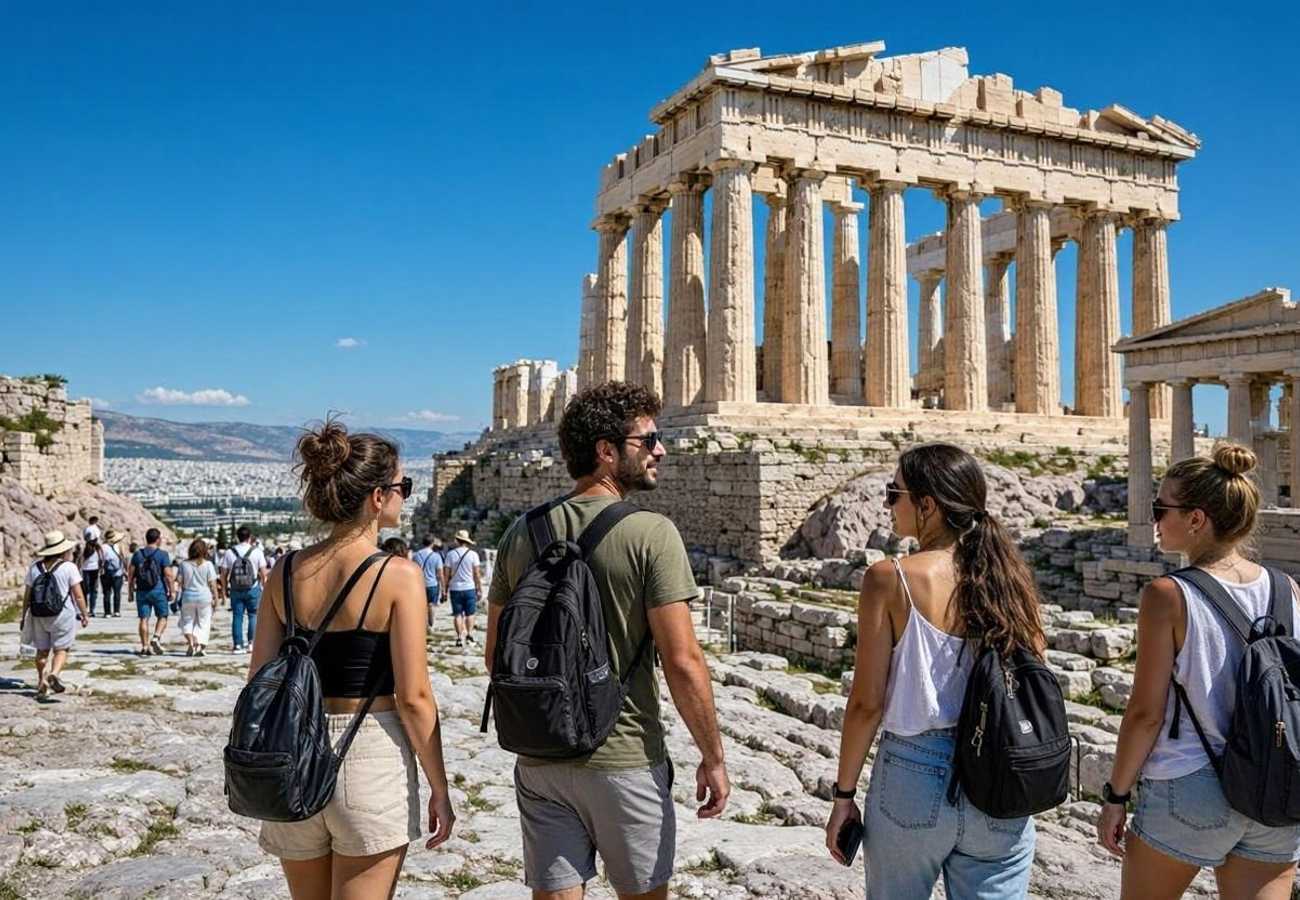
Image generated by AI
A 17.5% surge in visitors to the Acropolis of Athens alone drove a broader 12.3% increase in open-air archaeological site attendance across Greece in July 2026. This shift indicates a clear preference among summer travelers for immersive, outdoor historical experiences over traditional indoor museum environments. While total museum attendance saw a marginal decline of 2.6% compared to July 2025, the financial data tells a different story: cultural revenues are climbing despite the fluctuating headcounts.
The Great Outdoor Shift: July 2026 Data
The midsummer travel pattern in Greece has evolved into a distinct split between "sun-drenched" ruins and climate-controlled galleries. According to the Hellenic Statistical Authority (ELSTAT), the appetite for open-air monuments—including the Minoan palace of Knossos in Crete and the sanctuary of Delphi—has reached new heights.
A significant driver of this growth is the democratization of access. Complimentary entries at archaeological sites spiked by 25.6% year-on-year, largely attributed to the increased use of European Union youth passes and designated free-access days. This suggests that a younger demographic of European explorers is increasingly shaping the visitor profile of the Peloponnese and Attica.
Cultural Performance Metrics: July & Year-to-Date
While the July figures show a rebound for outdoor sites, the broader window from January to July 2026 reveals a more complex recovery. Cumulative museum attendance for the first seven months of the year actually dipped by 1.5%, while archaeological site attendance fell by 2.3% compared to the same period in 2025. This indicates that a sluggish spring season in regions like Central Macedonia and the Cyclades initially dragged down the totals before the July explosion narrowed the gap.
The most striking disparity exists between visitor volume and financial yield. Despite the dip in overall attendance, revenues have surged, suggesting a move toward high-value tourism and optimized ticketing structures.
Greece Cultural Tourism Statistics (January – July 2026)
| Metric | July 2026 (vs July 2025) | Jan–July 2026 (vs Jan–July 2025) |
|---|---|---|
| Archaeological Site Attendance | +12.3% | -2.3% |
| Museum Attendance | -2.6% | -1.5% |
| Archaeological Site Revenue | +6.2% | +5.6% |
| Museum Revenue | +2.3% | +10.9% |
| Free Admissions (Arch. Sites) | +25.6% | +4.2% |
| Free Admissions (Museums) | +5.1% | +2.4% |
| Total Cultural Receipts (July) | €30.46 Million | N/A |
Expert Analysis: The High-Value Pivot
For travelers and hospitality operators, this data confirms that Greece is successfully decoupling revenue growth from raw crowd density. The fact that museum revenues rose by 10.9% year-to-date while attendance dropped by 1.5% is a textbook example of "value-over-volume" pricing.
For the traveler booking a trip to Athens or Heraklion, the direct consequence is a likely increase in ticket prices for "premium" or "fast-track" experiences. The 17.5% jump at the Acropolis—bringing 580,186 people to the site in one month—creates immense pressure on physical infrastructure. We can expect the Greek National Tourism Organization to further incentivize "off-the-beaten-path" destinations in Epirus or Boeotia to mitigate the bottlenecks at flagship sites.
Furthermore, the 25.6% increase in free admissions suggests that regulatory frameworks for EU citizens and students are effectively driving traffic. This creates a bifurcated market: a high-paying international tourist segment funding the conservation of sites, and a subsidized European youth segment maintaining the cultural vibrancy of the region.
Key Takeaways
- Outdoor Dominance: July 2026 saw a 12.3% increase in archaeological site visits, contrasting with a 2.6% drop in museum attendance.
- Acropolis Peak: The Acropolis of Athens recorded 580,186 visitors in July, an increase of approximately 86,000 people over the previous year.
- Revenue Resilience: Total July cultural receipts reached €30.46 million, with year-to-date museum revenues climbing 10.9% despite lower attendance.
- Youth Influence: A 25.6% surge in free archaeological entries highlights the impact of EU youth passes and educational initiatives.
- Strategic Shift: Greece is prioritizing higher-spending visitors to fund monument conservation and digital infrastructure.
FAQ: Greece Cultural Tourism 2026
Why are museum numbers dropping while archaeological sites are growing? July travelers are prioritizing outdoor, atmospheric experiences and coastal activities over indoor galleries. This is a seasonal preference for the Mediterranean climate rather than a lack of interest in museum collections.
Is it cheaper for EU citizens to visit Greek ruins? Yes, there has been a 25.6% increase in free admissions at archaeological sites, largely due to EU youth passes and specific complimentary entry days for eligible European visitors.
How crowded is the Acropolis in midsummer? Extremely. In July 2026, the site hosted 580,186 visitors. Travelers are advised to use digital ticketing and visit during early morning hours to avoid peak crowds.
Are ticket prices increasing in Greece? Yes. Despite some attendance dips, revenues have risen (10.9% for museums Jan-July), indicating higher ticket prices or a shift toward more expensive, high-value tour packages.
The marble may be ancient, but the business of touring it is evolving rapidly.
Related Travel Guides
This article is for informational purposes. Flight routes, passenger regulations, visa rules, and transit advisories are subject to change by airlines and aviation authorities. Readers are advised to verify schedules and travel documentation with relevant carriers and border agencies before departure.
Related Stories
Germany and Key European Markets Propel Greek Tourism to €18.2B as Mykonos and Cyclades Face Infrastructure Reckoning

Greece Crowned Top Family Holiday Destination at UK Travel Awards: How British Arrivals Reached 4.89M as Travel Receipts Hit €3.74B