US Partners with Vietnam to Transform Aviation Connectivity and Unlock a New Era of Tourism Growth in 2026

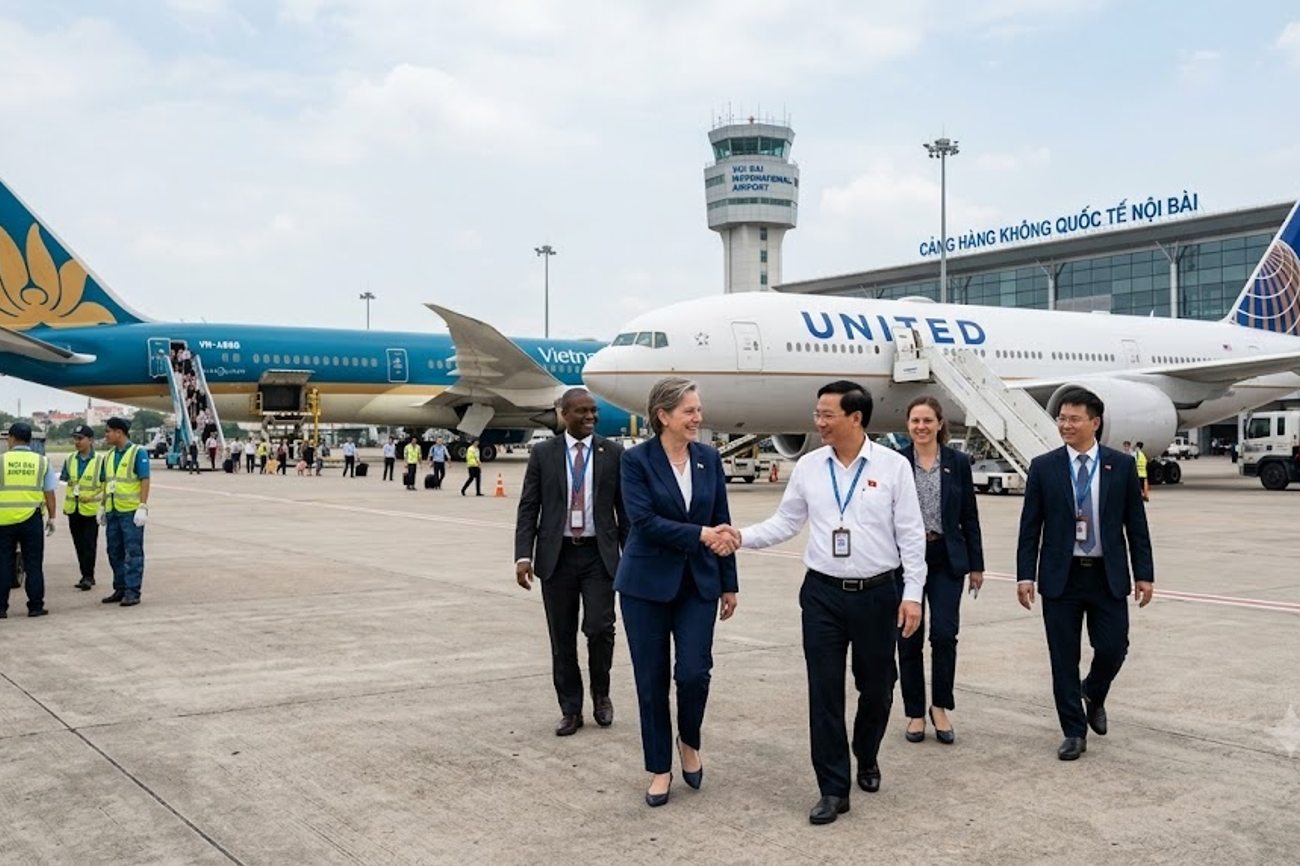
Image generated by AI
The target for Vietnam tourism growth 2026 rests on a systemic overhaul of aviation connectivity and digital infrastructure, driven by strategic partnerships with US industrial giants. This shift represents a transition from a reliance on organic growth to a structured, investment-led expansion of the country's travel ecosystem. By integrating Boeing’s technical expertise with broader US financial and digital investments, Vietnam is attempting to remove the primary friction point for long-haul travelers: the logistical difficulty of accessing Southeast Asia's eastern coast.
The Boeing Pivot and Aviation Ecosystems
Vietnam's current strategy moves beyond the simple procurement of aircraft. The partnership with Boeing is designed to establish a comprehensive aviation ecosystem. This includes the implementation of predictive maintenance, advanced aircraft data management, and specialized technical training for the local workforce. For the aviation industry, the move toward "predictive maintenance" is a critical shift; it allows airlines to anticipate mechanical failures before they occur, reducing the frequency of flight cancellations and delays that currently plague regional hubs.
The objective is to elevate Vietnamese carriers to international operational standards. By improving fuel efficiency and flight safety protocols, the domestic aviation sector can lower the cost of operation for long-haul routes. This is particularly vital for the viability of direct flights from North America and Europe, where thin margins often make non-stop service to Hanoi or Ho Chi Minh City a financial risk for carriers.
Infrastructure Integration and Data Metrics
The transformation is not limited to the tarmac. The Vietnamese government is leveraging US investment to modernize the digital layers of the travel experience. This includes the deployment of smart tourism platforms and integrated digital payment systems, reducing the reliance on cash and fragmented booking processes that often deter high-net-worth luxury travelers.
The following table outlines the specific levers of this development and their direct correlation to the traveler's experience:
| Development Lever | Technical Implementation | Direct Impact on Traveler |
|---|---|---|
| Boeing Partnership | Maintenance, Repair, and Overhaul (MRO) | Increased flight reliability and fewer delays |
| Workforce Training | Aviation technical certification | Higher safety standards and service quality |
| Digital Infrastructure | Smart platforms and FinTech | Seamless booking and digital payment adoption |
| Route Expansion | Increased aircraft capacity | More direct flights from US and EU markets |
| Operational Tech | Predictive data management | Optimized scheduling and reduced disruptions |
Expert Analysis: The Logistics of Destination Competition
For travelers booking routes into Southeast Asia, the direct consequence of this aviation surge is a shift in the competitive balance between Vietnam and its regional neighbors. Historically, destinations like Thailand or Singapore have held a monopoly on "ease of access" due to their superior hub-and-spoke aviation models. Vietnam's push for 2026 is a calculated attempt to break this hegemony.
The pricing pressure created by increased seat capacity and improved fuel efficiency typically leads to more competitive airfares. When International Air Transport Association (IATA) standards are integrated into local operations through partnerships like the one with Boeing, it signals to global carriers that Vietnam is a "safe bet" for expanded slots.
Moreover, the focus on "quality over quantity" in the 2026 plan suggests a pivot toward high-yield tourism. By improving the reliability of flights to secondary hubs like Da Nang, Nha Trang, and Phu Quoc, Vietnam is diversifying its tourist footprint. This prevents the "over-tourism" of Hanoi and Ho Chi Minh City while distributing economic benefits to coastal provinces. The integration of US digital financial services further supports this by enabling "frictionless" spending for international visitors, which historically increases the average daily spend per tourist.
The US partnership with Vietnam aims to enhance aviation connectivity, fostering a new era of tourism growth in 2026. This collaboration is expected to increase flight frequencies and routes, making it easier for travelers to visit Vietnam, with more information available on the Vietnam National Administration of Tourism website. As a result, passengers can look forward to more convenient travel options and a wider range of destinations to explore.
Key Takeaways
- Systemic Aviation Shift: Vietnam is moving from buying planes to building an entire aviation ecosystem, focusing on MRO (Maintenance, Repair, and Overhaul) and predictive data.
- Long-Haul Viability: Increased operational efficiency is designed to make direct flights from North America and Europe more economically sustainable.
- Digital Modernization: US investments are targeting the "invisible infrastructure"—digital payments and smart booking—to attract luxury and business travelers.
- Regional Distribution: The strategy aims to push traffic beyond major cities into hubs like Phu Quoc and Da Nang via improved connectivity.
- Reliability Focus: The 2026 goal prioritizes flight reliability and safety standards to increase confidence among long-distance international visitors.
FAQ: Vietnam Tourism 2026
Will there be more direct flights to Vietnam by 2026? Yes. The strategic partnership with Boeing and the focus on aviation efficiency are specifically designed to increase aircraft capacity and make long-haul direct routes from the US and Europe more viable for airlines.
How will US investment affect the average tourist's experience? Travelers can expect "smarter" journeys, including more widespread acceptance of digital payments, more efficient airport processing, and a reduction in flight delays due to improved aircraft maintenance standards.
Which cities will benefit most from these aviation improvements? While Hanoi and Ho Chi Minh City remain primary hubs, the expansion is designed to increase accessibility to Da Nang, Nha Trang, and Phu Quoc to spread tourism across the country.
Is the focus only on increasing the number of tourists? No. The 2026 strategy emphasizes "quality" growth, targeting luxury, business, and long-stay tourism by improving service standards and infrastructure reliability.
Vietnam is no longer just selling its landscapes; it is rebuilding its engine to ensure the world can actually reach them.
Related Travel Guides
- Japan Moves Alongside Indonesia and Others as Hidden Islands Drive Sustainable Tourism Beyond Crowded Beaches
- Seychelles Ignites Tourism Revival As Travellers Drive Over Fourteen Percent August Surge To Strongest Growth In Four Years
- UK Tourism Under Rising Pressure as North Devon Digital Infrastructure Project Triggers Global Environmental Debate and UNESCO Concerns
This article is for informational purposes. Flight routes, passenger regulations, visa rules, and transit advisories are subject to change by airlines and aviation authorities. Readers are advised to verify schedules and travel documentation with relevant carriers and border agencies before departure.
Related Stories

Zen Awakening Festival 2026: Florida's Transformational Music, Mindfulness, and Arts Gathering in Fruitland Park

12 Underrated Cities in China That International Travelers Are Starting to Discover