Japan Moves Alongside Indonesia and Others as Hidden Islands Drive Sustainable Tourism Beyond Crowded Beaches

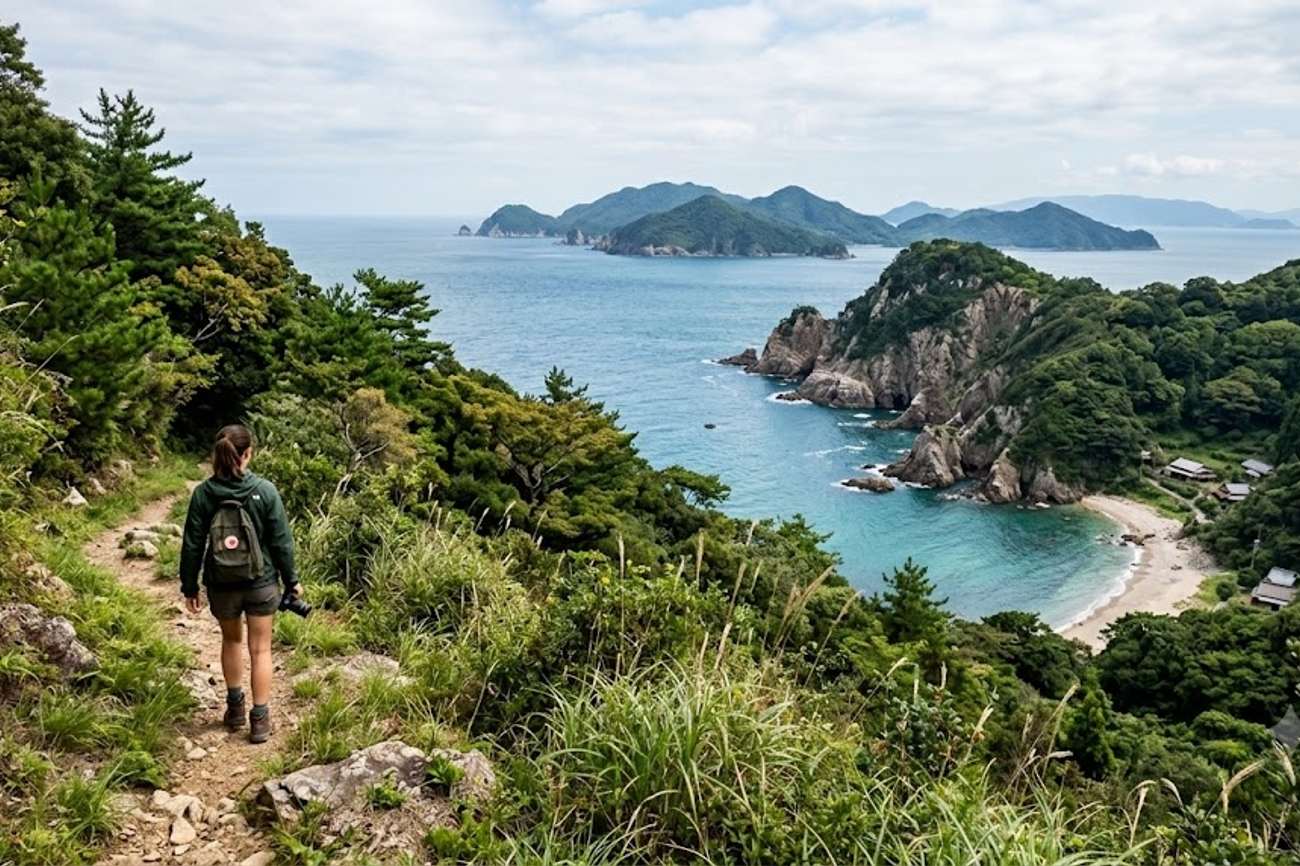
Image generated by AI
[Tokyo, October 2023] — Japan and four other Southeast Asian nations are aggressively pivoting their tourism strategies away from mass-market beach resorts toward remote, biodiversity-focused island destinations to combat overcrowding and environmental decay.
This systemic shift across Japan, Indonesia, Thailand, the Philippines, and Malaysia marks a departure from the traditional "high-volume" tourism model. Government agencies are now prioritizing "high-value" travel, directing visitor flows toward secluded archipelagos where conservation, community-led experiences, and ecological preservation dictate the pace of development. The move is a direct response to the unsustainable pressure placed on global hotspots, aiming to distribute economic gains across lesser-known regions while safeguarding fragile marine ecosystems.
The Catalyst for Regional Decentralization
The primary trigger for this strategic realignment is the collapse of the traditional mass-tourism equilibrium. For decades, a handful of "bucket-list" destinations—most notably Bali in Indonesia and Phuket in Thailand—absorbed the vast majority of international arrivals, leading to severe seasonal congestion, infrastructure strain, and habitat loss.
Regional governments are now implementing a "spread the demand" philosophy. By elevating remote islands to premium status, these nations are attempting to decouple tourism growth from environmental degradation. This is not a formal treaty between nations but a synchronized regional trend toward regenerative tourism. The goal is to replace the "snapshot tourist"—who visits a famous beach for 48 hours—with the "slow traveler" who stays longer, spends more per day, and engages in conservation-focused activities.
Destinations and Strategic Focus Areas
The transition is manifesting in specific geographic clusters, each utilizing a different lever of sustainability to attract a new demographic of travelers.
| Country | Primary Emerging Destinations | Core Sustainability Pillar |
|---|---|---|
| Japan | Ogasawara Islands, Amami Islands, Tokyo Islands | Biodiversity & UNESCO-grade ecotourism |
| Indonesia | Raja Ampat, Wakatobi, Labuan Bajo, Flores | Marine conservation & premium nature escapes |
| Thailand | Koh Mak, Koh Kood, Trang Islands | Low-carbon, low-impact footprints |
| Philippines | Siargao, Palawan, Bohol, Camiguin | Community-led protection & coastal management |
| Malaysia | Redang, Tioman, Perhentian Islands | Marine park regulation & coastal preservation |
In Japan, the Japan National Tourism Organization (JNTO) is pushing visitors toward the Ogasawara Islands. Located 1,000 kilometers south of Tokyo, these islands serve as a blueprint for the region; they are a UNESCO Natural World Heritage site where tourism is strictly controlled. The focus here is on guided nature exploration and whale watching, proving that destinations can remain profitable without pursuing unlimited visitor growth.
Indonesia is leveraging its status as the world's largest archipelagic nation to move the spotlight away from Bali. By promoting Raja Ampat and Wakatobi, the Ministry of Tourism and Creative Economy is emphasizing marine biodiversity and diving. This shift transforms the tourist from a passive consumer into a participant in the preservation of coral ecosystems.
Practical Traveler Advisory and Strategic Insights
For the average traveler, this shift represents a fundamental change in how trips to Asia are planned and experienced. The era of the "all-inclusive mega-resort" is being challenged by a move toward boutique, community-centric lodging.
1. Higher Costs, Better Quality Expect a rise in "premium" pricing for remote island access. Because these destinations are targeting "high-value" visitors, the cost of entry—via specialized charters or eco-lodges—is often higher than traditional budget beach trips. However, this funding typically supports local conservation and infrastructure.
2. Stricter Access and Regulation Travelers will encounter more "red tape" in the form of permits, guided-only zones, and visitor caps. For example, in protected areas like the Tubbataha Reefs Natural Park in the Philippines, access is tightly managed by the Department of Tourism (DOT) to prevent reef damage.
3. Shift in Activity Profiles The itinerary is moving from "sunbathing and shopping" to "learning and doing." Current trends favor mangrove reforestation in Siargao, volcanic exploration in the Tokyo Islands, and low-carbon cycling on Koh Mak.
4. Logistics Complexity Reaching these destinations requires more effort. Travelers must now navigate multi-modal transport—combining domestic flights with smaller boats or ferries—which increases travel time but reduces the carbon footprint per visitor if managed through slow-travel packages.
The Future of Asian Archipelagic Travel
The next phase of this evolution involves the integration of "regenerative" metrics. Rather than measuring success by the number of arrivals, governments are beginning to track "net positive" impacts—how much a tourist's presence actually improves the local environment or economy.
In Thailand, the Tourism Authority of Thailand (TAT) is positioning Koh Mak as a low-carbon leader. This serves as a pilot program for other islands to implement carbon-neutral transport and waste-free hospitality models. If successful, this "low-impact" blueprint will likely be scaled across the Trang Islands and beyond.
In the Philippines, the focus is shifting toward "community-based tourism." In Siargao, the expansion beyond surfing to include the Del Carmen mangrove area ensures that the financial benefits of tourism reach local villagers rather than just international resort owners. This model aims to create a symbiotic relationship where the local population becomes the primary guardian of the ecosystem because their livelihood depends on its health.
As these five nations refine their models, the "Island Tourism Map" of Asia will no longer be a list of a few famous dots, but a network of diverse, protected sanctuaries. The long-term goal is a sustainable equilibrium where the beauty that attracts the traveler is not destroyed by the act of traveling.
FAQ: Asia Island Tourism 2023
Are these remote islands more expensive than Bali or Phuket? Generally, yes. The shift toward "high-value" tourism often involves higher costs for eco-certified lodging and mandatory guided tours, which are designed to limit crowds and fund conservation efforts.
Do I need special permits to visit UNESCO sites like Ogasawara or Tubbataha? Yes, many of these emerging destinations have strict visitor quotas and permit requirements. It is highly recommended to book through certified eco-operators who handle the regulatory paperwork.
Is "slow travel" actually better for the environment? Yes. By encouraging longer stays in one location rather than "island hopping" via high-emission transport, these strategies reduce the overall carbon footprint per tourist and provide more stable income for local communities.
Which of these destinations is best for diving? Indonesia's Raja Ampat and Wakatobi, as well as the Philippines' Palawan region, are currently the gold standards for marine biodiversity and professional diving experiences.
The era of the crowded beach is ending; the era of the protected sanctuary has begun.
Related Travel Guides
- Seychelles Ignites Tourism Revival As Travellers Drive Over Fourteen Percent August Surge To Strongest Growth In Four Years
- UK Tourism Under Rising Pressure as North Devon Digital Infrastructure Project Triggers Global Environmental Debate and UNESCO Concerns
- Costa Rica Aligns With Mexico And More In Leading Wellness Tourism Growth With Luxury Stays And Slow Travel Experiences
This article is for informational purposes. Flight routes, passenger regulations, visa rules, and transit advisories are subject to change by airlines and aviation authorities. Readers are advised to verify schedules and travel documentation with relevant carriers and border agencies before departure.
Related Stories
Germany and Global Coalition Power Japan Tourism to All-Time Monthly Record of 3.91 Million Visitors in October 2026

Zen Awakening Festival 2026: Florida's Transformational Music, Mindfulness, and Arts Gathering in Fruitland Park