UK Tourism Under Rising Pressure as North Devon Digital Infrastructure Project Triggers Global Environmental Debate and UNESCO Concerns

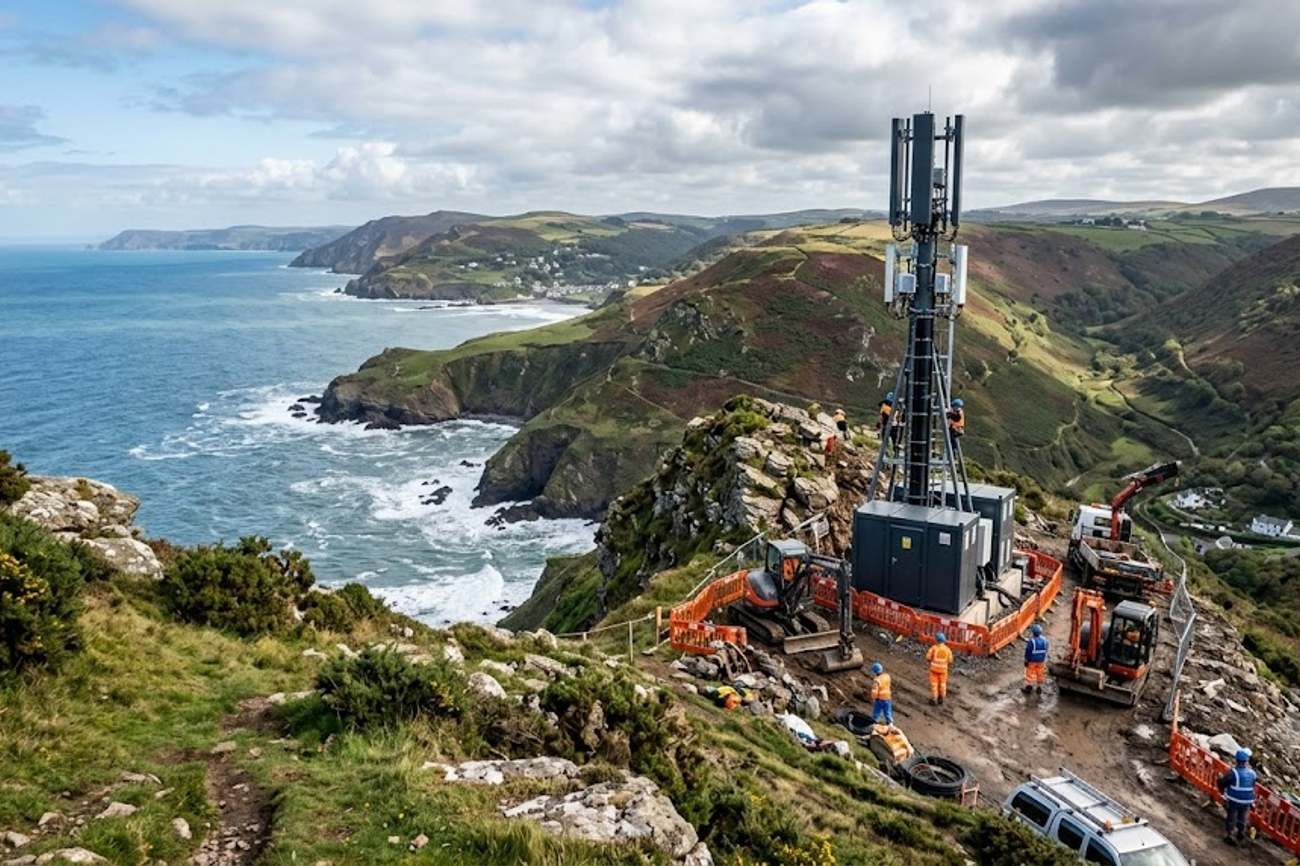
Image generated by AI
The global prestige of North Devon’s UNESCO Biosphere status is currently under scrutiny because a single industrial project could jeopardize its international standing. While many visitors view the region as a sanctuary of rugged coastlines and rural silence, the proposal for an AI data campus covering 850 acres of farmland has sparked a high-stakes debate over whether high-tech infrastructure can coexist with a protected environmental designation.
The Collision of AI and Conservation in North Devon
North Devon is currently navigating a tension that many rural destinations face: the pull of massive corporate investment versus the preservation of the very traits that make the area desirable. The center of this conflict is a proposed AI data campus and accompanying battery storage infrastructure. Spanning 850 acres of agricultural land, the project is positioned by its developers as an economic catalyst that would bring hundreds of permanent jobs to the South West of England.
However, for those of us who know the rhythms of the Devon countryside, the scale of such a project is jarring. The region's identity is built on being a bastion of environmental safeguards. The developers argue that the data facilities will only occupy a fraction of the total acreage, leaving the rest for biodiversity improvements, public access, and nature recovery. Yet, the sheer footprint of an industrial site of this magnitude threatens to alter the visual and ecological character of the rural communities it would sit between.
The stakes extend beyond local aesthetics. Because North Devon is a UNESCO Biosphere Reserve, it is subject to a periodic review every ten years under the Man and the Biosphere programme. UNESCO has clarified that while they do not hold veto power over local planning applications, significant developments within a reserve are scrutinized during these reviews. If the balance between economic activity and conservation tilts too far toward industry, the region risks losing its biosphere designation—a title that serves as a global seal of approval for sustainable development.
What Makes North Devon Different
To understand why a data center feels so intrusive here, one must understand the specific allure of North Devon. This is not the manicured countryside of the Cotswolds; it is a raw, atmospheric region defined by the Atlantic's influence. The area is a sanctuary for those seeking responsible travel, characterized by a deep commitment to climate resilience and nature protection.
The region's uniqueness lies in its integrated approach to living. The biosphere status isn't just a plaque on a wall; it informs how local businesses operate, how farmers manage their land, and how tourism is marketed. Visitors come here specifically for the "slow" experience—walking routes that disappear into the mist, wildlife experiences that feel authentic rather than curated, and a coastal scenery that remains largely untamed.
When you visit the Visit North Devon portals or explore the local villages, you see a tourism economy that is symbiotic with the land. The hotels, B&Bs, and outdoor recreation guides don't just operate in the environment; they depend on its purity. The loss of the biosphere status would not just be a blow to prestige; it would be a devaluation of the "brand" that attracts high-value, environmentally conscious travelers who stay longer and spend more in the local economy.
Visitor Insider Tips
Having spent significant time navigating the North Devon coast and hinterlands, I can tell you that the best experiences happen when you move away from the primary hubs.
Timing Your Visit Avoid the peak August rush if you want to experience the "biosphere" feeling of solitude. The sweet spot is late September to early October. The crowds vanish, the autumn colors hit the valleys, and the local pubs are far more welcoming to long conversations.
Where to Base Yourself Skip the larger towns and look for accommodation in the smaller villages bordering the Exmoor fringes. This gives you immediate access to both the high moorlands and the coastal drops. Look for "Eco-stays" or farm-stays that explicitly mention their commitment to the biosphere goals; these are often the most authentic gateways to the region.
Local Etiquette and Exploration When using the walking routes, remember that much of this land is working farmland. Stick strictly to the marked paths to avoid disturbing livestock or damaging sensitive soil. If you are visiting the coastal paths, be mindful of the "Right to Roam" but respect the privacy of coastal cottages.
Regional Specialties Do not leave without trying the local Devon cream tea, but do it the local way: cream first, then jam. Visit the farmers' markets in the smaller villages rather than the supermarkets to find heritage produce that supports the region's biodiversity goals.
The North Devon Digital Infrastructure Project has sparked a global environmental debate, with UNESCO expressing concerns over the potential impact on the region's natural beauty and biodiversity. According to the UK Government's Department for Digital, Culture, Media and Sport, the project aims to improve digital connectivity in the area, but critics argue that it may harm the local ecosystem. As a result, tourists are being encouraged to explore alternative destinations in the UK that are committed to sustainable tourism practices.
Transport Hacks While a car is almost essential for reaching the 850-acre stretches of the interior, use local bus links for coastal hops to reduce your carbon footprint. The roads are narrow and winding—expect the unexpected, including sheep blocking the road, which is part of the charm.
Cultural and Environmental Context
The debate over the AI data campus is a microcosm of a global struggle. We are seeing a trend where "green" destinations are targeted for "grey" infrastructure because of the availability of land or specific energy requirements. In North Devon, the tension is between two different versions of the future: one where the region becomes a tech hub for the South West, and one where it remains a global gold standard for conservation.
Tourism in this region is not a separate industry; it is an extension of the environmental management. The local economy relies on a "virtuous cycle"—the biosphere status attracts responsible tourists, who support local businesses, who in turn have the financial incentive to protect the environment. An industrial shift of this scale threatens to break that cycle.
Moreover, the environmental groups voicing concern are not merely fighting a building; they are fighting for the integrity of the biosphere's purpose. The Man and the Biosphere programme is designed to show that humans can live in harmony with nature. The introduction of a massive, energy-hungry data campus asks a difficult question: can a facility dedicated to artificial intelligence truly be "in harmony" with a protected nature reserve?
FAQ: Visiting North Devon 2025
What is the best time to visit? For the most authentic experience, visit in May or September. The weather is temperate, and you avoid the heavy summer crowds while still having access to all outdoor activities and walking trails.
How do I get there from London? The most efficient way is a train to Barnstaple or Exeter, followed by a rental car or local bus. Driving takes approximately 4-5 hours depending on traffic and your specific destination within the region.
Is North Devon safe for solo travelers? Yes, it is exceptionally safe. The rural communities are welcoming, and the walking paths are well-marked. However, always inform someone of your route when hiking in remote areas of the biosphere.
Do I need a visa to visit? Visitors to the UK must follow standard UK visa requirements. Most travelers from the US, Canada, and EU do not need a visa for short-term tourism stays. Check the official government portal for current rules.
The true value of North Devon lies not in its potential for data storage, but in its capacity for silence.
Related Travel Guides
- Costa Rica Aligns With Mexico And More In Leading Wellness Tourism Growth With Luxury Stays And Slow Travel Experiences
- South Korea Travel Enters New Era As Landmark Wellness Tourism Law Unlocks Global Healing Tourism Growth
- Venice in Italy Is Now Considering a Higher Tourism Fee as It Seeks Better Travel and Fewer Crowds in 2027
This article is for informational purposes. Flight routes, passenger regulations, visa rules, and transit advisories are subject to change by airlines and aviation authorities. Readers are advised to verify schedules and travel documentation with relevant carriers and border agencies before departure.
Related Stories

Zen Awakening Festival 2026: Florida's Transformational Music, Mindfulness, and Arts Gathering in Fruitland Park
12 Underrated Cities in China That International Travelers Are Starting to Discover