
US Issues New Travel Advisory For Saudi Arabia Amid Regional Security Risks And Drone Threats Affecting Riyadh And Jeddah Tourists
US Issues New Travel Advisory For Saudi Arabia Amid Regional Security Risks And Drone Threats Affecting Riyadh And Jeddah Tourists

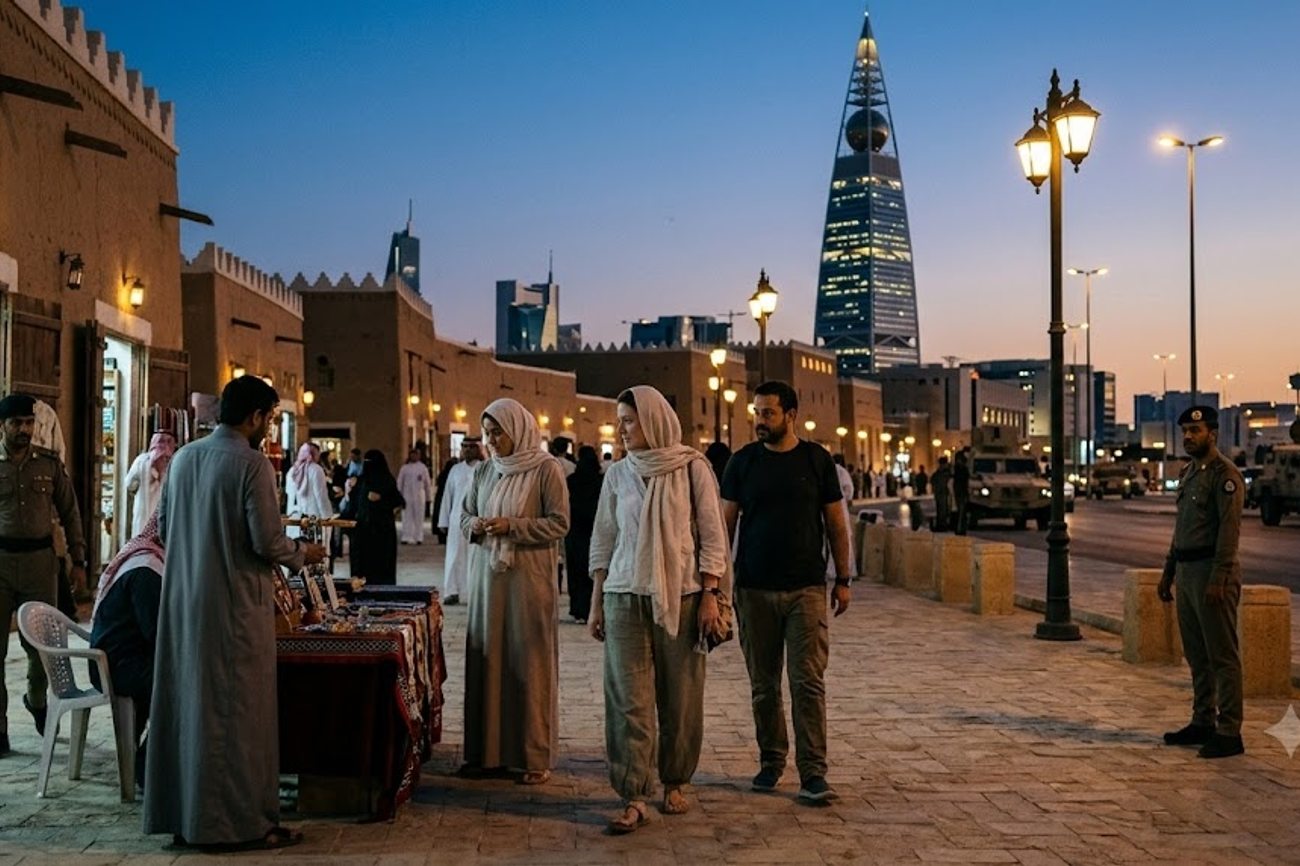
Image generated by AI
A Level 3 "Reconsider Travel" advisory from the United States government signals a precarious shift in the security profile of Saudi Arabia, moving the kingdom from a standard cautionary zone to a high-risk environment. This designation, driven by a volatile mix of regional warfare and internal legal risks, forces a fundamental reassessment of the risks associated with visiting the Middle Eastern powerhouse. While the kingdom remains open for business and tourism, the US government is now explicitly warning its citizens that the benefits of travel may be outweighed by the potential for sudden, violent disruption.
Geopolitical Volatility and the Yemen Border
The current security climate is not uniform across the kingdom, but rather a tiered system of risk. The overarching Level 3 warning applies to the majority of the country, but the US has designated the regions bordering Yemen as Level 4—the highest possible warning, meaning "Do Not Travel." This distinction is rooted in the persistent threat of terrorism and active security instabilities along the southern frontier.
The catalyst for the heightened national alert is the escalation of hostilities between the United States and Iran, which intensified on February 28, 2026. This conflict has transitioned from diplomatic tension to active kinetic threats, specifically the deployment of Iranian missiles and drones. These assets are not merely targeting military installations; they are aimed at a wide spectrum of infrastructure, including energy facilities, diplomatic outposts, and major urban centers. For the traveler, the danger is twofold: the risk of a direct strike and the high probability of falling debris resulting from successful interceptions by Saudi air defenses.
Aviation Logistics and Operational Risks
Despite the security warnings, the aviation sector remains functional, though fragile. Commercial flights continue to operate through the kingdom's primary gateways, but the stability of these operations is subject to the whims of regional airspace security. The Federal Aviation Administration (FAA) has issued specific notices regarding the risks to civil aviation within the Persian Gulf and the Gulf of Oman, which directly impacts the flight paths serving Saudi Arabia.
| Travel Component | Risk Level | Primary Threat / Consideration |
|---|---|---|
| General Territory | Level 3 | Regional conflict, drone strikes, terrorism |
| Yemen Border | Level 4 | Active terrorism and border instability |
| Riyadh/Jeddah | Moderate/High | Aviation disruption, targeted attacks on hubs |
| Digital Presence | High | Cybercrime laws and social media restrictions |
| Legal Status | High | Exit bans and financial/legal disputes |
The operational status of an airport does not guarantee a schedule's reliability. Travelers utilizing Riyadh and Jeddah must account for sudden airspace closures or airline-led diversions based on real-time security assessments. This creates a logistical bottleneck for those connecting through other Gulf hubs, where a delay in one city can trigger a cascade of missed connections across the region.
Expert Analysis: The Hidden Costs of "Reconsider Travel"
For the modern nomad or business traveler, a Level 3 advisory is more than a suggestion; it is a financial and legal trigger. The direct consequence of this designation is the immediate impact on travel insurance. Many standard policies contain "government advisory" clauses that void coverage for trip cancellation, medical evacuation, or emergency repatriation once a destination hits Level 3 or 4. Travelers booking routes into Riyadh or Jeddah may find themselves uninsured for the very risks the US government is warning against.
Furthermore, the advisory highlights a critical "invisible" risk: the Saudi legal system regarding social media and exit bans. The intersection of strict cybercrime laws and the potential for exit bans—which can be triggered by minor financial disputes or legal misunderstandings—means that a traveler's risk is not just physical, but judicial. In a high-tension environment, the threshold for what constitutes a "public order" offense on social media may shift, leaving foreigners vulnerable to detention.
Travelers are advised to monitor official updates from the U.S. Department of State regarding security alerts and travel advisories for Saudi Arabia. These guidelines provide critical information on regional risks and safety protocols for tourists visiting major hubs like Riyadh and Jeddah.
The pricing pressure on aviation will also likely increase. As the International Air Transport Association (IATA) and individual carriers adjust their risk premiums for operating in the Persian Gulf, the cost of insurance for airlines rises. These costs are invariably passed down to the passenger, meaning that while flights remain "operational," they will likely become more expensive and subject to more rigid booking terms.
Key Takeaways
- Tiered Risk Zones: While most of the country is Level 3 (Reconsider Travel), the Yemen border is strictly Level 4 (Do Not Travel).
- Kinetic Threats: The February 28, 2026, escalation with Iran has introduced a persistent risk of drone and missile strikes, including the danger of falling interceptor debris.
- Aviation Instability: Flights are operational, but FAA warnings suggest high potential for sudden schedule changes and airspace restrictions in the Gulf of Oman and Persian Gulf.
- Legal Vulnerabilities: Travelers face significant risks regarding social media usage and the possibility of exit bans stemming from legal or financial disputes.
- Infrastructure Targets: High-traffic areas, including hotels, transportation hubs, and sites frequented by Americans, are identified as primary targets for potential terrorist activity.
FAQ: Saudi Arabia Travel 2026
Are flights to Riyadh and Jeddah cancelled? No, commercial flights remain operational. However, they are subject to sudden disruptions due to security assessments and FAA notices. Travelers should monitor their airline's status in real-time.
Can I visit the southern border of Saudi Arabia? It is strongly advised that you do not. The US government has issued a Level 4 "Do Not Travel" warning for the Yemen border region due to extreme security threats.
What are "exit bans" in Saudi Arabia? Exit bans are legal restrictions that prevent a person from leaving the country. These can be triggered by unpaid debts, legal disputes, or other government-mandated restrictions.
Is it safe to post on social media while in the kingdom? Exercise extreme caution. Saudi Arabia has strict laws governing online activity and public order; content deemed offensive or illegal can lead to severe legal consequences for foreigners.
The gap between operational flights and actual safety is where the modern traveler's risk truly resides.
Related Travel Guides
Disclaimer
This article is for informational and educational purposes only. It does not constitute legal, financial, or professional advice. While we strive to provide accurate and up-to-date information, travel policies, regulations, and conditions change rapidly. Always verify information with official sources before making travel decisions. Nomad Lawyer makes no representations about the accuracy, reliability, completeness, or suitability of the information provided. Readers should consult qualified professionals for advice specific to their circumstances. The views expressed in this article are those of the author and do not necessarily reflect the views of Nomad Lawyer.
Raushan Kumar
Founder & Lead Developer
Full-stack developer with 11+ years of experience and a passionate traveller. Raushan built Nomad Lawyer from the ground up with a vision to create the best travel and law experience on the web.
Learn more about our team →