
Egypt Expands Regenerative Red Sea Tourism
Egypt Expands Regenerative Red Sea Tourism

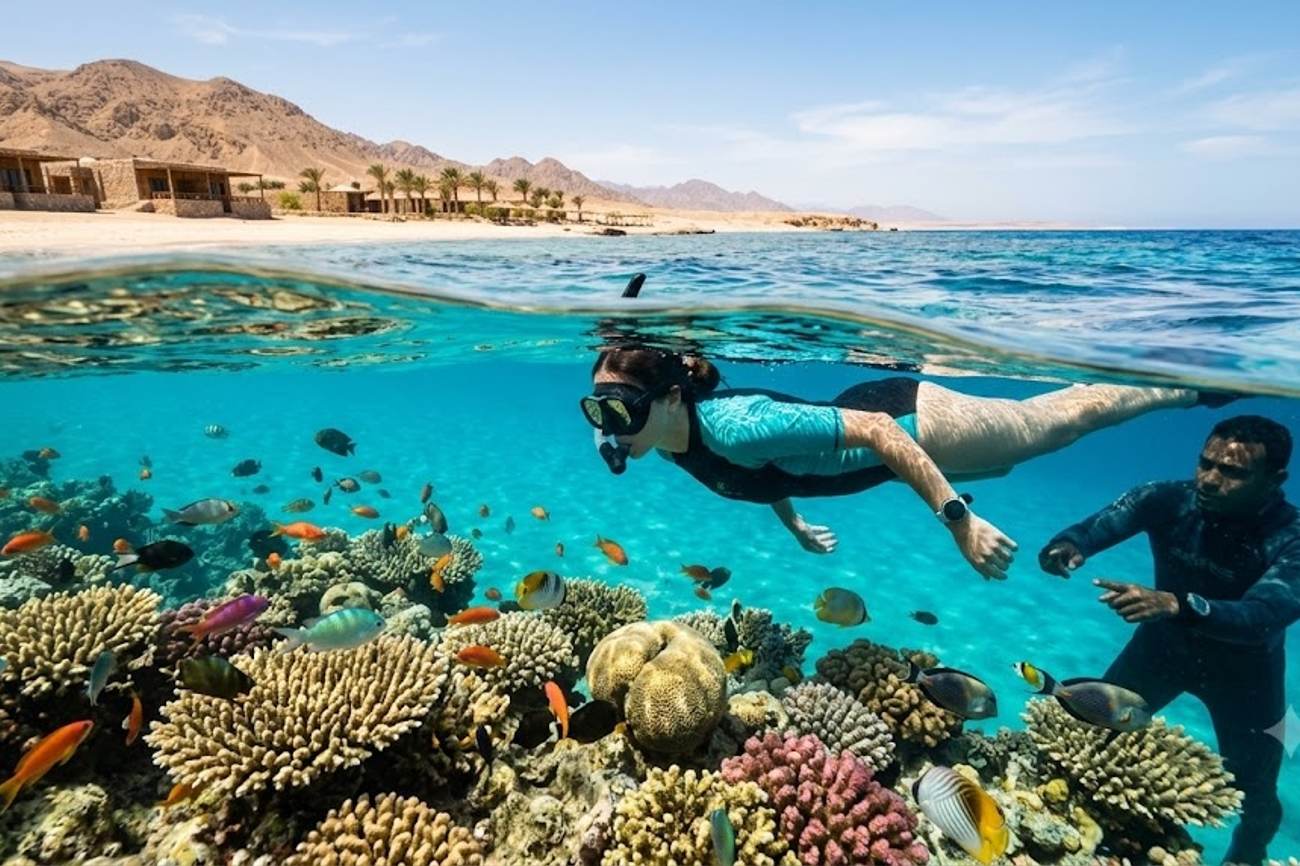
Image generated by AI
[Cairo, October 2026] — Egypt is aggressively pivoting its Red Sea tourism strategy to integrate high-end luxury hospitality with strict marine conservation mandates. The shift centers on transforming destinations like El Gouna and Marsa Alam into hubs for "nature-based luxury," where access to sensitive coral reefs, mangrove forests, and seagrass meadows is tied to environmental education and sustainable management.
This strategic realignment comes as the Egyptian government seeks to protect its most valuable natural assets from the pressures of mass tourism. By linking luxury accommodation to conservation-focused activities, authorities aim to attract a higher-spending, lower-impact demographic of travelers. The initiative is underpinned by the recent 2026 announcement of the Egyptian Red Sea Coral Reef Fund, a financial mechanism designed to secure the longevity of the region's underwater biodiversity.
The Catalyst for Conservation-Led Luxury
The immediate trigger for this shift is the increasing vulnerability of the Red Sea's fragile ecosystems. For decades, the region relied on high-volume beach tourism; however, the Egyptian government is now prioritizing the protection of "blue carbon" sinks—specifically mangroves and seagrass beds—which are critical for carbon sequestration and marine life survival.
The establishment of the Egyptian Red Sea Coral Reef Fund in 2026 signals a transition toward a funded, regulated model of environmental stewardship. This fund is intended to support the management of protected zones, including the Northern Red Sea Islands and the expansive Wadi El Gemal-Hamata National Park. By integrating these conservation goals into the luxury travel product, Egypt is effectively monetizing the preservation of its environment to ensure its long-term viability.
Impacted Destinations and Ecosystems
The transition is not uniform across the coast; rather, it is divided between developed luxury hubs and remote conservation frontiers.
| Destination | Primary Focus | Key Ecological Assets | Tourism Profile |
|---|---|---|---|
| Marsa Alam | Nature-Based Exploration | Dugong habitats, seagrass meadows, coral reefs | Remote, eco-centric luxury, diving-heavy |
| El Gouna | Integrated Management | Marinas, coastal lagoons, reef access | High-end hospitality, sailing, kitesurfing |
| Wadi El Gemal-Hamata | Strict Protection | Mangroves, desert valleys, rare marine mammals | Guided excursions, wildlife observation |
The southern coast, particularly around Marsa Alam, serves as the primary laboratory for this model. The region is a critical sanctuary for the dugong, a rare marine mammal that relies exclusively on the seagrass meadows found within the Egyptian Ministry of Environment protected zones. In contrast, El Gouna serves as a model for how urbanized luxury resorts can coexist with marine management, providing a sophisticated base for travelers who wish to explore the Red Sea without sacrificing high-end amenities.
Practical Traveler Advisory and Strategic Insights
For the modern traveler, the "luxury" experience in the Red Sea is being redefined. It is moving away from isolated resort bubbles and toward curated, educational interactions with nature.
1. Restricted Access to Sensitive Sites Travelers should expect tighter controls on where they can dive and snorkel. Access to the most pristine reefs and mangrove forests is increasingly limited to those using certified guides or staying at approved luxury eco-resorts. This "limited access" model is designed to prevent reef degradation caused by overcrowding.
2. Mandatory Environmental Briefings The era of "drop-and-dive" is ending. New conservation-focused concepts require divers to undergo briefings on reef etiquette and responsible underwater behavior. This includes strict prohibitions on touching coral, disturbing marine wildlife, or introducing waste into protected waters. Failure to adhere to these guidelines may result in restricted access to specific sites.
3. Shift in Activity Portfolios While traditional beach lounging remains available, there is a surge in "educational luxury." This includes guided mangrove tours, wildlife observation excursions in Wadi El Gemal-Hamata, and private yacht charters that emphasize scientific discovery over mere leisure.
Egypt is prioritizing the development of sustainable hubs along the Red Sea coast to shift from mass tourism toward high-value, regenerative experiences. These initiatives are coordinated through the Ministry of Tourism and Antiquities to ensure environmental preservation and the protection of coral reef ecosystems.
4. Higher Price Points for Sustainable Access The integration of the Red Sea Coral Reef Fund and the focus on low-impact tourism likely mean that "green" luxury packages will carry a premium. Travelers are paying not just for the room, but for the exclusivity and the guaranteed preservation of the environment they are visiting.
The Roadmap for Red Sea Sustainability
Looking ahead, the Egyptian government and private hospitality sectors are working to synchronize their efforts to ensure that tourism does not cannibalize the natural beauty that attracts visitors. The focus is now on expanding the network of protected areas and refining the rules for private vessel access.
The World Tourism Organization (UNWTO) has long advocated for the "regenerative tourism" model, and Egypt's current trajectory aligns with these global standards. The next phase of development involves creating tighter linkages between luxury resorts and marine biologists, where guests can participate in active conservation projects—such as coral grafting or mangrove planting—as part of their stay.
Furthermore, the expansion of the Northern Red Sea Islands' protection status suggests that more "off-the-grid" luxury experiences will emerge. These will likely be characterized by temporary, low-impact luxury camps or high-end sailing expeditions that leave zero trace on the environment. The goal is to move the center of gravity for Egyptian tourism away from the concrete corridors of traditional resorts and toward the living laboratories of the Red Sea.
FAQ: Red Sea Luxury Tourism 2026
Do I need a special permit to visit Wadi El Gemal-Hamata National Park? Yes, access to protected areas is regulated by Egyptian environmental authorities. Most luxury travelers secure these permits through their resort or a licensed eco-tour operator to ensure compliance with local conservation laws.
What is the "reef etiquette" mentioned in new diving briefings? Reef etiquette includes maintaining neutral buoyancy to avoid touching coral, a strict "no-take" policy for shells or fish, and the use of reef-safe sunscreens to prevent chemical bleaching of the coral ecosystems.
How does El Gouna differ from Marsa Alam for a luxury traveler? El Gouna offers a more developed, urban luxury experience with high-end dining and marinas. Marsa Alam provides a more remote, nature-first experience focused on wildlife, such as dugongs and pristine reefs.
What is the Egyptian Red Sea Coral Reef Fund? Launched in 2026, this is a government-led initiative to fund the protection and restoration of coral reefs, ensuring that tourism revenue is directly reinvested into marine conservation.
The Red Sea is no longer just a backdrop for luxury; it is the primary asset being protected.
Related Travel Guides
Disclaimer
This article is for informational and educational purposes only. It does not constitute legal, financial, or professional advice. While we strive to provide accurate and up-to-date information, travel policies, regulations, and conditions change rapidly. Always verify information with official sources before making travel decisions. Nomad Lawyer makes no representations about the accuracy, reliability, completeness, or suitability of the information provided. Readers should consult qualified professionals for advice specific to their circumstances. The views expressed in this article are those of the author and do not necessarily reflect the views of Nomad Lawyer.
Kunal K Choudhary
Co-Founder & Contributor
A passionate traveller and tech enthusiast. Kunal contributes to the vision and growth of Nomad Lawyer, bringing fresh perspectives and driving the community forward.
Learn more about our team →