
Transit Alert: US Iran Sanctions Raise Travel Risks Across the Gulf
The United States' tightening of economic sanctions on Iran, termed an 'Economic D-Day,' has introduced fresh geopolitical risks for travel.

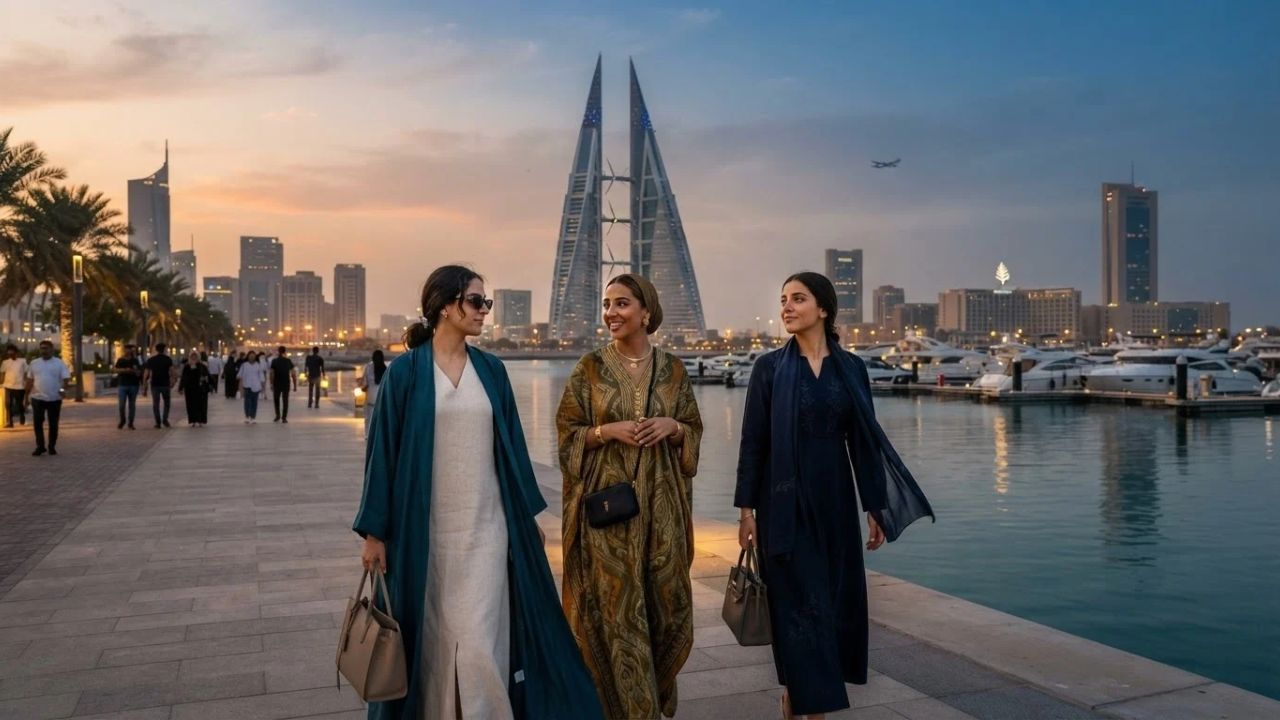
Image generated by AI
The United States' tightening of economic sanctions on Iran, termed an "Economic D-Day," has introduced fresh geopolitical risks for travel and tourism across the Gulf. Countries including Bahrain, the UAE, and Oman face potential route adjustments and rising aviation insurance costs due to regional maritime tensions.
Geopolitical Friction and Middle Eastern Flight Corridors
A significant trend in Middle Eastern travel is the vulnerability of flight corridors to state-level economic friction. The Gulf acts as a primary aviation gateway connecting Asia, Europe, Africa, and the Americas. Because transit routes and energy pricing depend on stable regional environments, secondary sanctions and shipping conflicts in the Strait of Hormuz can affect flight times, fuel surcharges, and passenger scheduling.
Rather than causing a total shutdown, these pressures encourage airlines to adjust flight paths and cruise operators to review Gulf itineraries to maintain passenger safety.
Bahrain and Strategic Security Concerns
Bahrain is closely watching the implementation of Washington's sanctions campaign:
- Strategic Location: Near Iran across the Gulf waters, Bahrain is sensitive to regional security changes.
- Tourism Industry: The country relies on financial services, business conferences, and luxury hospitality.
- Visitor Perceptions: Prolonged regional uncertainty can influence traveler confidence, corporate bookings, and international exhibitions.
- Indirect Pressures: Although not the direct target of the sanctions, Bahrain faces risks linked to oil market volatility and business operating costs.
These security parameters require regional operators to emphasize safety and stability.
UAE Trade, Aviation, and Tourism Exposure
The United Arab Emirates is highly exposed to economic disruptions due to its position as a global transit hub:
- Aviation Hubs: Dubai and Abu Dhabi rely on open airspace and passenger confidence to maintain flight schedules.
- Operating Costs: Rising fuel prices and increased insurance premiums for maritime shipping can raise business expenses.
- Secondary Sanctions: Increased enforcement of secondary sanctions creates compliance requirements for logistics firms with trade links connected to Iran.
- Travel Security: Maintaining the UAE's reputation as a safe destination is vital for protecting leisure and business travel numbers.
Despite these challenges, the country's diversified economy provides resilience against short-term travel disruptions.
Strait of Hormuz Shipping and Oman's Diplomatic Role
Oman occupies a unique position as a diplomatic mediator in the Gulf:
- Maritime Safety: The country coordinates discussions regarding vessel movement through the Strait of Hormuz, a critical energy shipping route.
- Logistics Protection: Tensions in the Strait can raise maritime shipping costs and affect port operations.
- Heritage Tourism: Oman's promotion of nature reserves, luxury resorts, and cruise arrivals relies on stable sea lanes.
- Diplomatic Bridge: Successful mediation efforts can strengthen Oman's regional standing and support travel confidence.
These diplomatic coordinates help protect transit routes connecting the Gulf with international markets.
Qatar, Saudi Arabia, Kuwait, and Iraq
Other regional economies face distinct pressures linked to the sanctions campaign:
- Qatar's LNG Routes: As a major gas exporter, Qatar relies on open shipping lanes, while Doha's travel sector faces risks to event tourism and business bookings.
- Saudi Arabia's Vision 2030: The Kingdom's plans for tourism expansion, heritage preservation, and luxury resorts require a stable regional environment to attract international visitors.
- Kuwait and Iraq: Kuwait faces shipping cost risks, while Iraq faces direct exposure due to its close energy and trade links with Iran.
Tehran has rejected the sanctions, with Iranian Foreign Minister Abbas Araghchi stating that pressure campaigns will not deliver political results.
Middle East Geopolitical Travel Risks
The table below breaks down the countries, primary exposure areas, transport sectors, regional choke points, and diplomatic players established under the current sanctions:
| Country Name | Primary Exposure Area | Key Transport Sector Affected | Regional Transit Choke Point | Primary Diplomatic Mediator |
|---|---|---|---|---|
| Bahrain | Business conferences & events | Global aviation corridors | Gulf transit waters | Regional security boards |
| United Arab Emirates | Dubai & Abu Dhabi hubs | Airline passenger confidence | Airspace corridors | Ministry of Transport |
| Oman | Cruise arrivals & heritage sites | Maritime shipping fleets | Strait of Hormuz | Traditional diplomatic bridge |
| Qatar | Doha international events | LNG transportation routes | Gulf shipping lanes | Energy security boards |
| Saudi Arabia | Vision 2030 tourism growth | Travel operating costs | Red Sea transit links | National development funds |
| Kuwait & Iraq | Trade networks & energy links | Regional logistics operations | Shatt al-Arab waterway | Bilateral trade councils |
These coordinates outline the exposures, sectors, and transit routes established across the Gulf region.
Resource Stewardship and Community Support
For the traveler, the benefit of choosing local heritage tours and staying in family-owned guesthouses in Oman or Bahrain is the direct support of regional communities. Directing travel spending to independent local operators helps offset the indirect economic pressures of regional instability.
Additionally, supporting airlines that invest in fuel-efficient aircraft and sustainable aviation fuel (SAF) helps reduce the carbon footprint of adjusted flight paths. Following safety advisories protects both visitors and regional travel networks.
For example, you can explore the changing dynamics of Transit Alert: US Introduces New Cuba Sanctions Affecting Tourism to see how economic decisions affect tourism. For local transport updates, comparing active travel schemes matches other networks, such as Transit Alert: Bury Reopens Market Street Following £5.7 Million Upgrade updates. This trend is similar to the tourism growth seen in other destinations, as detailed in our guide on how Utica, New York Emerges as an Affordable Northeast Tourism Hub.
Visitor Insider Tips: Traveling Through the Gulf
If you are planning to transit through or visit the Gulf region, keep these practical tips in mind:
- Confirm Flight Path Adjustments: Check with your airline regarding potential flight route changes or timing shifts before departure.
- Purchase Comprehensive Travel Insurance: Ensure your policy includes security-related cancellation and delay coverage.
- Monitor Official Travel Advisories: Check updates from your home government's foreign office for current regional warnings.
- Verify Cruise Itineraries: If booking a Gulf cruise, confirm the routing with your operator to note any port modifications.
- Book Corporate Travel Early: Secure tickets early to offset potential ticket rate fluctuations linked to fuel costs.
Long-Term Outlook for Gulf Transit and Tourism
The long-term outlook for Gulf travel is focused on expanding regional air corridors, investing in alternative maritime ports, and diversifying national tourism offerings. As passenger numbers remain high, tourism boards will rely on security coordination and diplomatic mediation to maintain traveler confidence.
By supporting local businesses and implementing safety protocols, the region aims to build a resilient travel network.
FAQ
What is the "Economic D-Day" sanctions campaign?
It is the term used for the US campaign tightening economic restrictions on Iran's oil, financial, and trade sectors.
How do the sanctions affect Gulf aviation?
Sanctions can lead to higher jet fuel prices, increased insurance costs, and adjustments to flight paths to avoid restricted airspace.
Why is the Strait of Hormuz important for travel?
The Strait of Hormuz is a key maritime corridor, and security concerns there can affect cruise itineraries and shipping logistics.
What is Oman's role in the current situation?
Oman serves as a diplomatic bridge, coordinating discussions to ensure safe vessel movement through regional waters.
Stay updated on the regional agreements and travel advisories shaping Gulf transit.
Related Travel Guides
Disclaimer
This article is for informational and educational purposes only. It does not constitute legal, financial, or professional advice. While we strive to provide accurate and up-to-date information, travel policies, regulations, and conditions change rapidly. Always verify information with official sources before making travel decisions. Nomad Lawyer makes no representations about the accuracy, reliability, completeness, or suitability of the information provided. Readers should consult qualified professionals for advice specific to their circumstances. The views expressed in this article are those of the author and do not necessarily reflect the views of Nomad Lawyer.
Raushan Kumar
Founder & Lead Developer
Full-stack developer with 11+ years of experience and a passionate traveller. Raushan built Nomad Lawyer from the ground up with a vision to create the best travel and law experience on the web.
Learn more about our team →