
Latin America Tourism Boom: 8% Spending Surge in 2026
Central and South America's travel GDP set to outpace global growth at 4.1%, with international visitor spending jumping 7.8% as Brazil, Colombia, Argentina, and Ecuador lead regional surge.

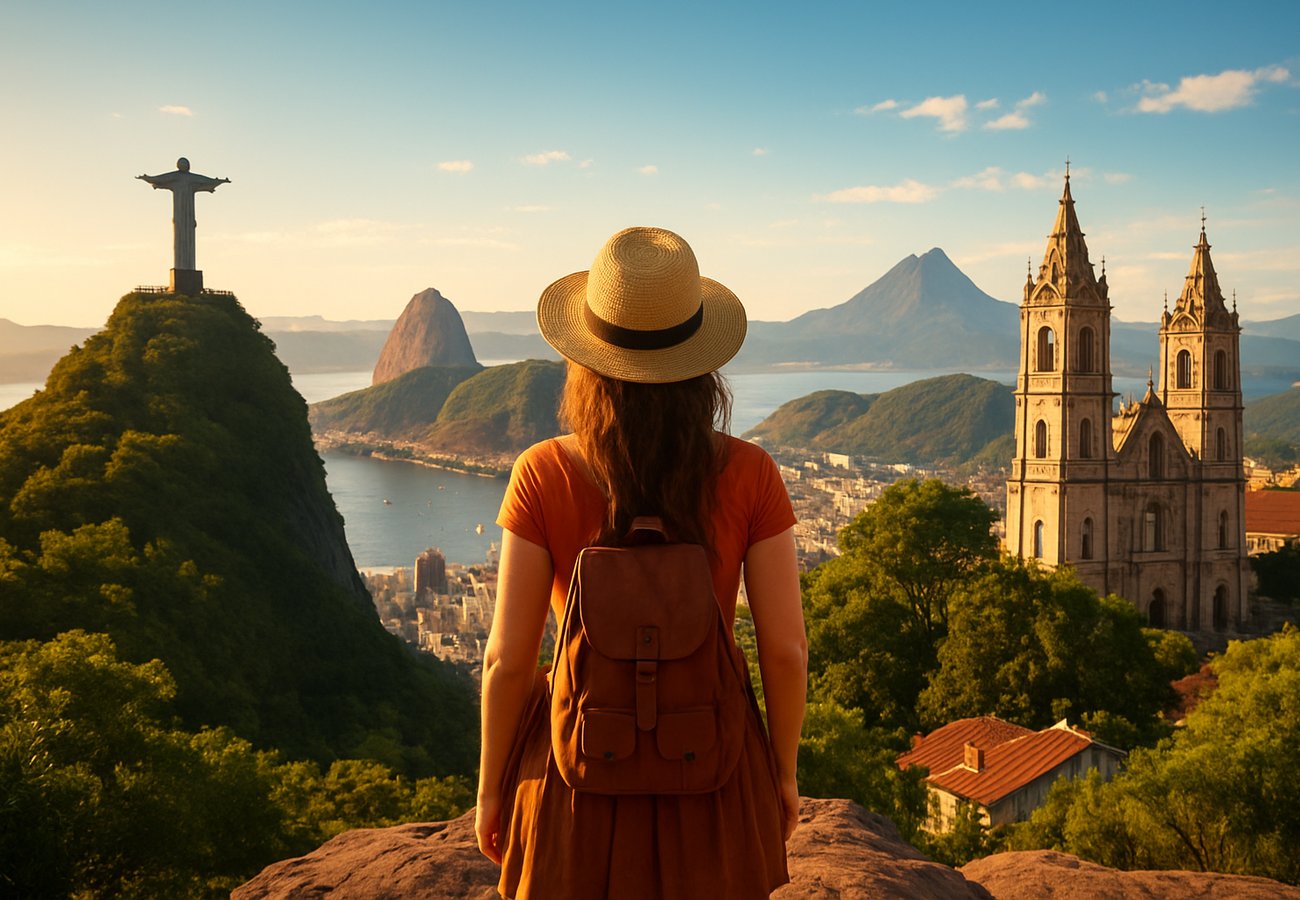
Image generated by AI
Latin America's Tourism Renaissance: A Regional Powerhouse Emerges
Central and South America is experiencing a tourism awakening that's reshaping the global travel landscape. The region's Travel & Tourism GDP is forecast to grow 4.1 percent in 2026—significantly outpacing the global average of 3.2 percent. Even more striking: international visitor spending is projected to jump 7.8 percent, more than double the worldwide expected increase of 3.7 percent.
This isn't just incremental growth. It's a fundamental reset in how the world perceives Latin American destinations.
According to the World Travel & Tourism Council (WTTC) 2026 Economic Impact Research, this surge signals a major inflection point. The region is moving beyond pandemic recovery into genuine expansion, driven by three critical factors: expanding air connectivity, renewed traveller confidence, and a global appetite for authentic experiences—culture, nature, adventure, and heritage-led journeys that traditional tourism hotspots can no longer monopolize.
Reddit: "South America is finally getting the recognition it deserves. Direct flights from Europe are game-changers." — r/travel
Why Latin America Is Winning the Tourism Battle
The region's competitive advantage is multifaceted. Strong domestic travel, resilient international demand, and lower geopolitical exposure compared to other global regions are fueling momentum. Travellers are actively seeking alternatives to overcrowded European and Asian destinations, and Latin America offers exactly what they want: diversity, affordability, and authenticity.
Hotels, airlines, tour operators, and local businesses are capitalizing on this moment. Infrastructure investments are accelerating. Visa policies are relaxing. Marketing campaigns are reaching new audiences. The economic opportunity is real—tourism creates jobs, generates foreign exchange, and drives regional development at scale.
Brazil: The 2.1% Growth Story
Brazil, as South America's largest tourism economy, anchors regional performance. While growth may appear modest at 2.1 percent for Travel & Tourism GDP, the country's sheer scale masks enormous absolute economic gains. International visitor spending is projected to increase by approximately 3 percent.
Rio de Janeiro's iconic beaches and urban culture. São Paulo's cosmopolitan energy. The Amazon rainforest. Vibrant Carnival festivals. These aren't just attractions—they're global cultural exports that drive consistent demand.
Domestic travel remains particularly strong, with rising middle-class spending reinforcing total tourism GDP. Upcoming infrastructure improvements, including expanded airport capacity and better intercity connectivity, position Brazil to sustain international visitor growth while attracting new segments of adventure and eco-tourism travellers.
Colombia: 5.7% Growth From Cultural Renaissance
Colombia is achieving something remarkable: 5.7 percent growth in Travel & Tourism GDP. The country has shed outdated perceptions and emerged as a top cultural and heritage destination in South America.
Bogotá's street art scene. Medellín's transformation narrative. Cartagena's colonial charm. The coffee regions' rolling green landscapes. Colombia is capturing international attention through improved visa facilitation, targeted marketing, and expanded flight connections from North America and Europe.
International visitor spending is expected to rise sharply. Domestic travel continues rebounding post-pandemic. Airline route expansions and increased hotel capacity are supporting this momentum. Tourism employment is projected to grow, reflecting tourism's critical role as an economic inclusion driver.
Argentina: 4.9% Expansion Powered by Wine and Landscapes
Argentina's Travel & Tourism sector is expected to expand 4.9 percent, positioning it as one of the region's steady performers. Patagonia's glaciers. Mendoza's world-class vineyards. Buenos Aires's cosmopolitan appeal. The diversity is staggering.
Currency competitiveness, improved flight access, and global awareness campaigns are increasing appeal. Domestic travellers are rediscovering local destinations. The hospitality industry is expanding, with boutique hotels and high-end lodges capitalizing on rising global demand for premium experiences.
Airport upgrades and enhanced road connectivity are facilitating further growth. Argentina's balanced approach—cultural heritage, natural landscapes, and modern infrastructure—maximizes economic benefit across tourism value chains.
Ecuador: The 11.6% Regional Star
Here's where the story gets dramatic. Ecuador is forecast to lead regional growth with an 11.6 percent increase in Travel & Tourism GDP. This smaller nation is outpacing its larger neighbors through sheer positioning brilliance.
The Galápagos Islands. The Amazon rainforest. Andean highlands. Quito and Guayaquil's urban experiences. Ecuador has positioned itself as a biodiversity and adventure tourism hotspot accessible to international travellers seeking unique experiences.
International visitor spending is projected to rise sharply. Domestic tourism initiatives have increased hotel occupancy and engagement with cultural sites. Infrastructure development—new airport facilities, improved road access to key tourist zones—is enabling growth while providing opportunities for local businesses.
Ecuador demonstrates a critical lesson: smaller countries with rich natural and cultural assets can outpace larger regional economies in growth percentage terms by targeting niche markets effectively.
Bolivia: The 25.8% International Spending Explosion
Bolivia's international visitor spending is expected to jump 25.8 percent—one of the largest increases in the entire region. Meanwhile, Travel & Tourism GDP is set for 10.3 percent growth.
The Uyuni Salt Flats. Lake Titicaca. High-altitude adventure tourism. Cultural heritage sites. Bolivia's tourism growth is driven by niche markets that have cultivated fiercely loyal international audiences. These aren't mass-market destinations; they're bucket-list experiences.
Domestic travel is also rebounding, with increased interest in urban cultural tourism and heritage experiences strengthening the entire ecosystem.
Guatemala and Panama: The Emerging Stories
Guatemala and Panama round out the region's success narrative. Guatemala's Mayan heritage sites are attracting culturally conscious travellers. Panama's strategic geographic position as a gateway—plus the iconic Canal—creates unique value propositions that larger nations simply cannot replicate.
Both countries are investing in destination infrastructure and marketing. Both are benefiting from increased air connectivity and improved tourism governance.
What This Means for Travellers and the Industry
This isn't speculation—it's data-driven forecasting from the WTTC, the authoritative voice on global tourism economics. The implications are clear:
For travellers: Latin America offers exceptional value, authentic experiences, and diverse offerings at competitive price points before demand reaches saturation.
For the industry: Airlines are expanding routes. Hotels are expanding capacity. Tour operators are designing innovative packages. Local businesses are preparing for unprecedented visitor volume.
For destinations: This is a critical moment to invest in sustainable tourism, infrastructure, and community benefits—to ensure growth enriches rather than exploits.
The window is open. Central and South America aren't just recovering from pandemic disruption—they're emerging as the world's next great tourism frontier.
Latin America finally gets its moment in the global spotlight.
Related Travel Guides
Disclaimer
This article is for informational and educational purposes only. It does not constitute legal, financial, or professional advice. While we strive to provide accurate and up-to-date information, travel policies, regulations, and conditions change rapidly. Always verify information with official sources before making travel decisions. Nomad Lawyer makes no representations about the accuracy, reliability, completeness, or suitability of the information provided. Readers should consult qualified professionals for advice specific to their circumstances. The views expressed in this article are those of the author and do not necessarily reflect the views of Nomad Lawyer.
Raushan Kumar
Founder & Lead Developer
Full-stack developer with 11+ years of experience and a passionate traveller. Raushan built Nomad Lawyer from the ground up with a vision to create the best travel and law experience on the web.
Learn more about our team →