
Off the Beaten Path: 74% of US Gen Z Travelers Prefer Small-Town Getaways
A new survey shows 74 percent of US Gen Z travelers prefer small towns over cities, redirecting spending to local economies and outdoor recreation.

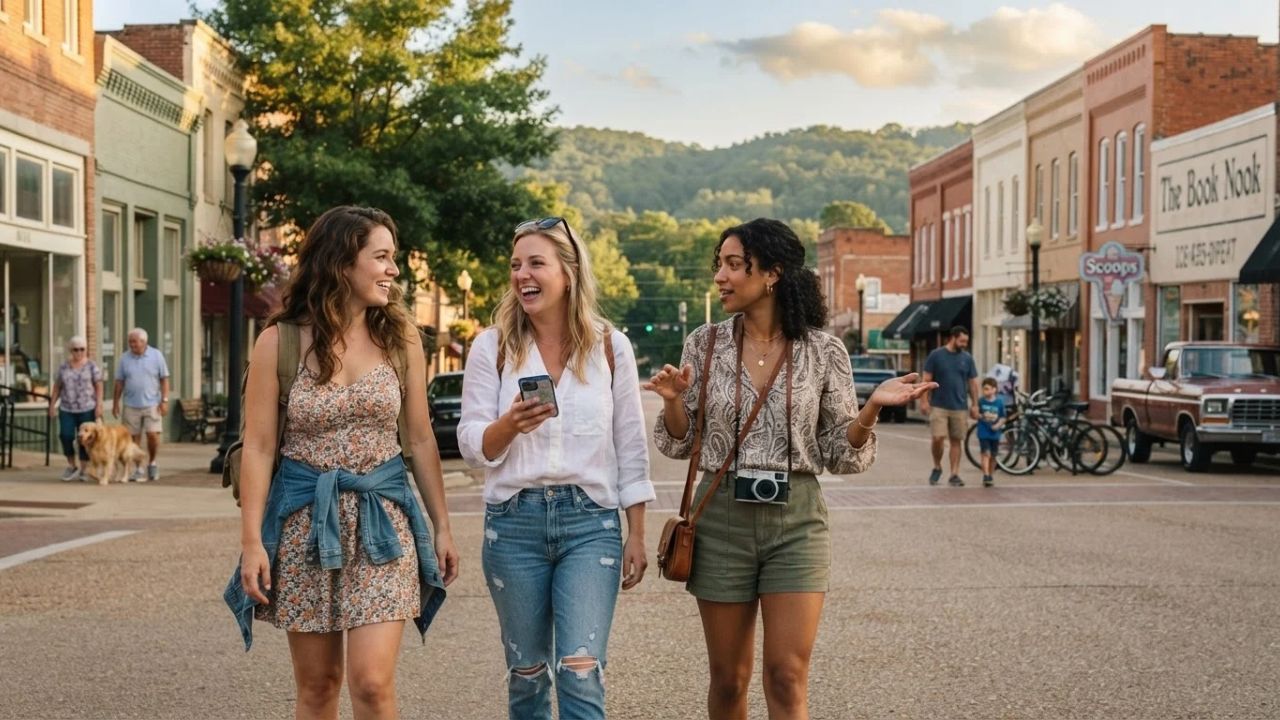
Image generated by AI
A new survey reveals that 74 percent of US Gen Z travelers plan to choose small or lesser-known towns over major cities for leisure within the next year. This shifting demand is redirecting spending toward independent local businesses, supported by a US outdoor recreation economy valued at approximately $696.7 billion.
The Diversification of Domestic Leisure Destinations
A major trend in US domestic travel is the growing interest among younger travelers in destinations outside primary urban centers. Historically, major metropolitan areas like New York, Los Angeles, and Las Vegas captured the largest share of youth travel spending. Today, travelers aged 18 to 29 are diversifying their itineraries, looking to lesser-known locations that offer unique local identities, outdoor recreation, and affordable group lodging options.
This trend is driven by a desire for discovery, with young travelers seeking distinctive destinations that stand out from typical tourism centers. For small communities, this interest provides an opportunity to attract visitors and support local businesses.
Survey Findings on Gen Z Travel Motivations
The travel patterns of younger Americans are outlined in a survey conducted by Focaldata between July 27 and 29, 2026, covering 1,017 American adults aged 18 to 29:
- Lesser-Known Preference: 74 percent of respondents stated they were likely to choose a small or lesser-known town over a major city for a leisure trip in the next 12 months.
- Status of Discovery: 63 percent considered being the first among their social circles to visit a destination a form of status.
- Crowd Avoidance: Over half of the respondents stated they avoided tourist destinations when crowding prevented them from enjoying the experience.
- Affordability Priority: 58 percent identified an affordable total price as the most important feature when selecting accommodation for group travel.
- Budget Management: 70 percent prioritized taking enjoyable trips even when managing financial constraints.
Additionally, platform search data shows that 63 percent of US Census tracts contain active short-term rental listings but no hotels, with hosts in those areas earning over $9.9 billion in 2025.
The Economic Impact of Outdoor and Rural Tourism
The shift in travel preferences aligns with the growth of the broader US recreation economy, as measured by the Bureau of Economic Analysis (BEA):
- Tourism Output: The BEA's 2023 Travel and Tourism Satellite Account reported that real travel and tourism output grew by 7 percent (following a 20.8 percent increase in 2022), representing 3.03 percent of national GDP.
- Outdoor Recreation Economy: The US outdoor recreation sector was valued at approximately $696.7 billion in 2024, accounting for 2.4 percent of national GDP. Real outdoor recreation output grew by 2.7 percent, while sector employment increased by 1.1 percent.
- Rural Population: The US Census Bureau counted approximately 66.3 million people living in rural areas during the 2020 Census, representing 20 percent of the national population.
These economic indicators show that outdoor activities and regional travel are key contributors to the national service sector.
Case Studies: Hot Springs, Bemidji, and Gibsonton
The survey highlights three distinct communities that demonstrate how small towns can leverage their unique assets to attract visitors:
- Hot Springs, Arkansas: Known for its thermal waters, the Hot Springs Reservation was established in 1832 and designated a National Park in 1921. The historic Bathhouse Row features eight bathhouses built between 1892 and 1923, which received National Historic Landmark status in 1987. While outdoor bathing in the springs is not permitted, the Quapaw and Buckstaff bathhouses offer thermal treatments. The park covers 5,550 acres and features 26 miles of trails, recording a record 2.16 million recreational visits in 2021.
- Bemidji, Minnesota: Located in northern Minnesota near the Mississippi River headwaters, the city features the iconic Paul Bunyan statue (18 feet tall, built in 1937) and Babe the Blue Ox (built in 1939) near Lake Bemidji. The region offers access to the 115-mile paved Paul Bunyan State Trail, which connects Brainerd-Baxter with Lake Bemidji State Park.
- Gibsonton, Florida: Situated near the Alafia River, this community is historically known as "Showtown, USA" due to its role as a winter home for circus and carnival workers.
US Travel and Recreation Statistics
The table below summarizes the key tourism and economic parameters detailed in the national databases:
| Industry Sector or Destination | Metric Value | Period Covered | Official Source |
|---|---|---|---|
| Gen Z Small-Town Preference | 74% of surveyed adults | Next 12 months | Focaldata / Survey Data |
| US Rural Population | 66.3 Million | 2020 Census | US Census Bureau (20% of total) |
| Tourism Share of US GDP | 3.03% | Full Year 2023 | Bureau of Economic Analysis |
| Outdoor Recreation Value | US$696.7 Billion | Full Year 2024 | Bureau of Economic Analysis |
| Hot Springs National Park Visits | 2.16 Million | Full Year 2021 | National Park Service (Record) |
| Paul Bunyan State Trail Length | 115 Miles | Paved route | Explore Minnesota |
These statistics show the scale of the domestic tourism market as travelers seek regional destinations.
Cultural Heritage and Sustainable Regional Dispersal
For the traveler, the real impact of choosing lesser-known destinations is the support it provides to regional heritage and local economies. Spending on locally owned guesthouses, regional craft shops, and independent dining spots helps prevent tourism leakage, ensuring that visitor revenue remains within the host community.
Additionally, traveling to smaller towns helps disperse passenger volumes away from overcrowded national parks and major cities, reducing pressure on urban infrastructure. Dispersing travel also supports conservation efforts along regional trail networks, such as the Mississippi headwaters, by funding local trail maintenance programs.
For example, you can explore the changing dynamics of Airport Hospitality: Dubai Airport Elevates Summer Travel Experience with Free Treats to see how passenger services are managed. For budget-conscious travelers, aligning slow city travel with municipal transit options mirrors similar regional initiatives, such as the Free Admission at Select US State Parks programs. This trend is similar to the tourism growth seen in other destinations, as detailed in our guide on how Utica, New York Emerges as an Affordable Northeast Tourism Hub.
Visitor Insider Tips: Traveling to US Small Towns
If you are planning a trip to a smaller US community, keep these practical tips in mind:
- Book Bathhouse Appointments in Advance: If visiting Hot Springs National Park, book your bathing sessions at the Buckstaff or Quapaw bathhouses several weeks in advance, as slots are limited.
- Check Business Hours: Unlike major cities, shops and restaurants in small towns may close early or remain closed on Mondays and Tuesdays. Confirm operating hours before your arrival.
- Prepare for Limited Transit Option: Many smaller destinations require a private vehicle for access. If cycling the Paul Bunyan State Trail, review the route maps as the path uses local roads in some sections.
- Respect Local Wildlife and Trails: When hiking in national parks, stay on marked trails and follow trash removal guidelines to protect local ecosystems.
- Support Local Food Providers: Try regional specialties, such as fresh lake fish in Minnesota or Southern style dining in Arkansas, at locally owned restaurants.
Long-Term Outlook for Domestic Tourism
The long-term outlook for US domestic travel is focused on the expansion of outdoor recreation infrastructure and digital booking platforms for regional lodging. As younger travelers continue to seek affordable, low-congestion options, small-town tourism will remain an important driver of regional economic development.
By maintaining local character and investing in public facilities, communities can ensure that visitor growth remains sustainable and beneficial.
FAQ
What percentage of Gen Z travelers prefer small towns?
The survey conducted by Focaldata reported that 74 percent of surveyed US Gen Z travelers plan to choose a small or lesser-known town over a major city.
What is the value of the US outdoor recreation economy?
The Bureau of Economic Analysis valued the sector at approximately $696.7 billion in 2024, representing 2.4 percent of national GDP.
Can you bathe in the thermal springs at Hot Springs National Park?
Outdoor bathing in the natural thermal pools is not permitted, but historic indoor bathing facilities are available at the Buckstaff and Quapaw bathhouses.
How long is the Paul Bunyan State Trail?
The paved trail extends for approximately 115 miles, connecting the Brainerd-Baxter area with Lake Bemidji State Park.
Stay updated on the domestic travel trends and regional tourism updates shaping US travel.
Related Travel Guides
Disclaimer
This article is for informational and educational purposes only. It does not constitute legal, financial, or professional advice. While we strive to provide accurate and up-to-date information, travel policies, regulations, and conditions change rapidly. Always verify information with official sources before making travel decisions. Nomad Lawyer makes no representations about the accuracy, reliability, completeness, or suitability of the information provided. Readers should consult qualified professionals for advice specific to their circumstances. The views expressed in this article are those of the author and do not necessarily reflect the views of Nomad Lawyer.
Raushan Kumar
Founder & Lead Developer
Full-stack developer with 11+ years of experience and a passionate traveller. Raushan built Nomad Lawyer from the ground up with a vision to create the best travel and law experience on the web.
Learn more about our team →