US Follows Scotland And Other Leading Destinations Supporting Wales Tourism Growth With Countryside Winter Experiences

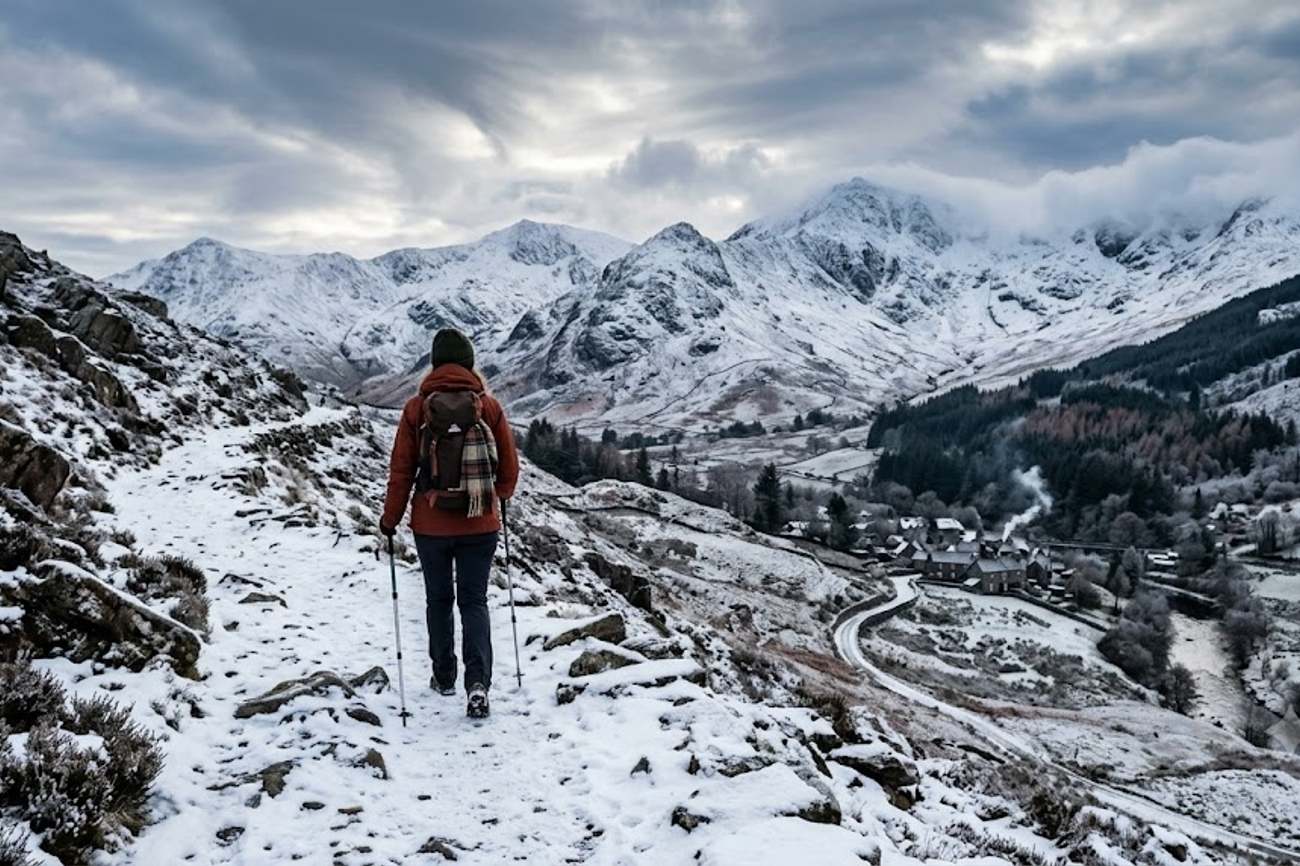
Image generated by AI
[Cardiff, October 2026] — Wales is aggressively expanding its rural tourism infrastructure to capture the growing global demand for "slow travel" and nature-focused winter escapes. The strategy pivots away from traditional summer sightseeing, instead prioritizing high-end cozy accommodations, including luxury shepherd huts, woodland cabins, and traditional inns, to stabilize the visitor economy during off-peak months.
The initiative aims to mirror successful seasonal models used in Scotland and the United States, targeting a mix of domestic British travelers and high-spending international tourists from the US, Germany, and Ireland. By leveraging its national parks and "Dark Sky" reserves, Wales is positioning itself as a premier destination for stargazing, wellness, and heritage tourism during the autumn and winter windows.
The Shift to Nature-Based Winter Strategy
The immediate catalyst for this expansion is a documented shift in traveler psychology. Modern tourists are increasingly avoiding peak-season crowds in favor of authentic, secluded experiences. Wales is responding by integrating various accommodation tiers—from glamping pods to historic pubs—into a cohesive rural strategy designed to attract visitors who prioritize fireplaces, hot tubs, and remote landscapes over urban hubs.
This strategic pivot is supported by the Visit Wales framework, which emphasizes the extension of the tourism calendar. By promoting the "cosy" aspect of the Welsh countryside, the region is attempting to mitigate the seasonal volatility that typically plagues rural economies. The focus has shifted toward "experiential travel," where the attraction is not a specific monument but the feeling of a remote mountain retreat or a coastal walk followed by a stay in a traditional village inn.
Market Segmentation and Impact
The growth strategy targets four primary demographics, each with specific draws and economic contributions:
| Market Segment | Primary Attractions | Strategic Focus |
|---|---|---|
| Great Britain (Domestic) | Eryri National Park, coastal routes | High-volume overnight stays |
| United States | Castles, luxury countryside retreats | Heritage and high-spend luxury |
| Germany | Dark Sky locations, eco-cabins | Sustainability and outdoor photography |
| Ireland | Coastal scenery, short-haul breaks | Cultural links and accessibility |
The economic stakes are significant. In 2024, GB residents accounted for 7.61 million overnight trips, injecting approximately £2.24 billion into the local economy. More recent data from April to June 2025 shows that GB residents made 1.67 million overnight trips, generating £425 million in spending.
On the international front, the latest Visit Wales statistics report 929,000 international visits, resulting in £488 million in visitor spending. The US market is particularly prized for its interest in "meaningful cultural experiences," while German travelers are driving the demand for sustainable, environmentally focused accommodation.
Practical Traveler Advisory and Strategic Insights
For those planning a trip to Wales, this strategy translates into a diversified inventory of lodging and a shift in available activities. Travelers should expect a surge in "boutique" rural offerings.
Booking and Availability: There is a concerted push to increase the number of luxury cabins and glamping sites. Travelers booking for October through March will find more options for "wellness-centric" stays—properties featuring hot tubs and fireplaces—specifically designed for winter occupancy.
Activity Shifts: The tourism focus is moving toward the Wales Coast Path and national parks for winter hiking and stargazing. Rather than visiting crowded city centers, the "recommended" itinerary now emphasizes remote village stays and scenic railway journeys.
Price and Value: While luxury retreats for US and German markets may command premium pricing, the push for off-peak travel often results in more competitive rates for traditional inns and self-catering cottages compared to the summer surge.
Global Benchmarking and Future Outlook
Wales is not innovating in a vacuum; it is explicitly following the lead of Scotland and the US, both of which have successfully commodified their rugged landscapes into year-round luxury assets. By analyzing how these regions market their "wild" interiors, Wales is implementing a similar model of "comfort-meets-wilderness."
The next phase of the rollout involves deepening the integration of "Dark Sky" tourism. By promoting areas with minimal light pollution, Wales aims to attract a niche but loyal demographic of astronomy enthusiasts and photographers, particularly from the German market.
Furthermore, the government is monitoring provisional 2026 domestic tourism statistics to refine these targets. The goal is to transform the "off-season" from a period of dormancy into a primary revenue driver. This involves not only increasing the number of beds but ensuring that the local infrastructure—such as rural transport and seasonal menus in village pubs—can support a steady stream of international visitors throughout the winter.
FAQ: Wales Winter Tourism 2026
What is the best type of accommodation for a winter trip to Wales? The current strategy emphasizes "cosy" stays. Luxury shepherd huts, woodland cabins with fireplaces, and traditional village inns are the primary recommendations for those seeking the authentic winter experience promoted by regional tourism boards.
Which regions of Wales are best for nature-focused winter travel? North, Mid, and West Wales are all seeing growth. Specifically, Eryri National Park is a top draw for mountain escapes, while the Wales Coast Path is prioritized for winter walking and coastal retreats.
Is Wales a sustainable destination for international travelers? Yes. There is a specific focus on sustainable tourism to attract the German market, including the development of eco-friendly glamping and carbon-conscious rural accommodation options.
How does the winter experience differ from the summer season? The focus shifts from traditional sightseeing and crowds to "slow travel." This includes stargazing in Dark Sky locations, wellness-focused retreats, and exploring historic castles without the peak-summer queues.
Wales is betting that the allure of a warm hearth and a rugged coastline will turn the winter chill into a goldmine.
#WalesTourism2026 #VisitWales #EryriNational Park #SlowTravelWales #UKWinterTravel #InternationalTourismWales
Related Travel Guides
This article is for informational purposes. Flight routes, passenger regulations, visa rules, and transit advisories are subject to change by airlines and aviation authorities. Readers are advised to verify schedules and travel documentation with relevant carriers and border agencies before departure.
Related Stories

Phuket Luxury Tourism Surge 2026: High-Net-Worth Arrivals and New Aviation Routes

Mexico Ecotourism Market Projected to Hit USD 9.29 Billion by 2034 as Green Travel Surges