South Korea Travel Enters New Era As Landmark Wellness Tourism Law Unlocks Global Healing Tourism Growth

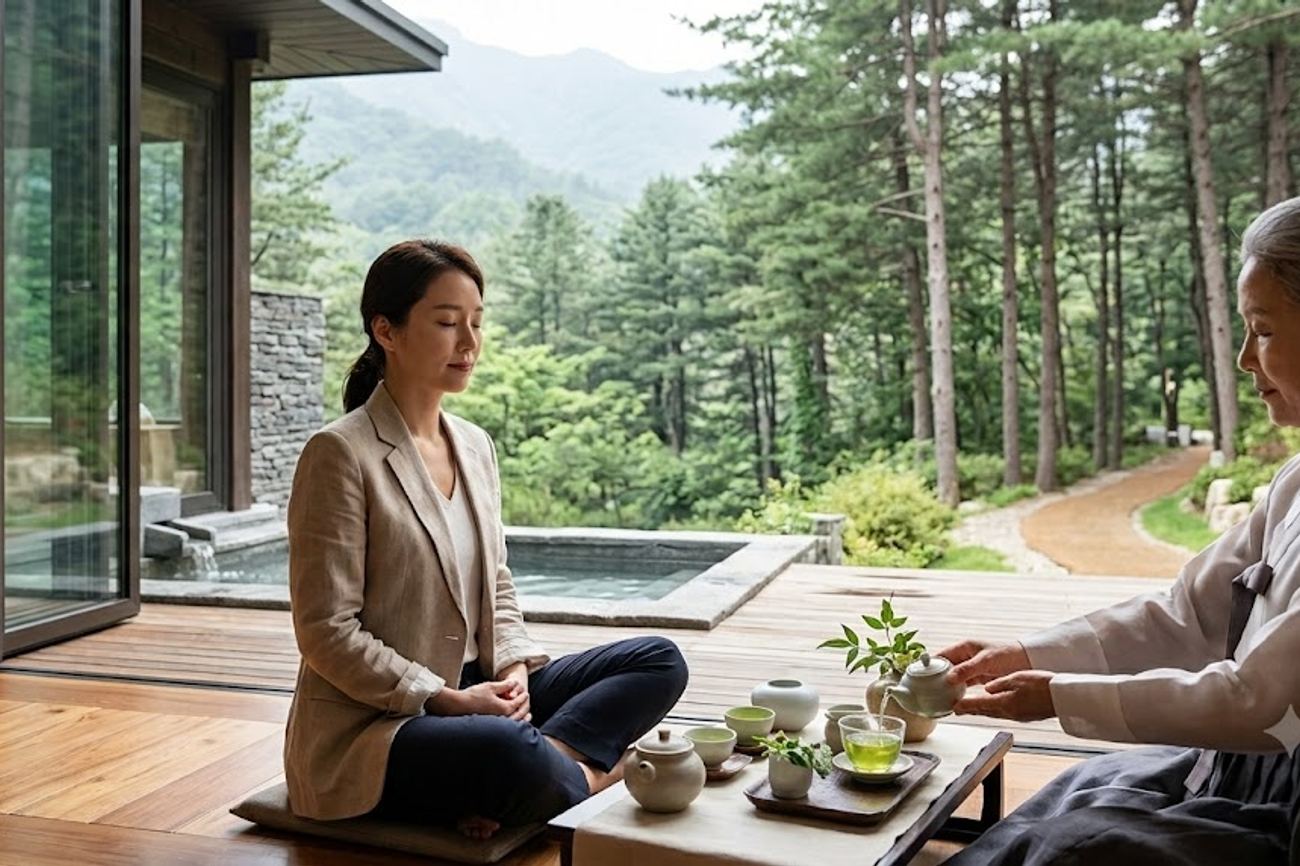
Image generated by AI
20 selected wellness destinations from a broader network of 88 will receive targeted government funding to spearhead South Korea's first legally codified "healing tourism" industry. This strategic pivot, formalized through the Act on the Promotion of the Healing Tourism Industry, transforms wellness from a vague travel trend into a regulated national economic sector. By establishing a legal definition for "healing tourism," Seoul is not merely promoting spas and retreats; it is creating a state-sanctioned quality control system designed to standardize everything from staff certifications to the operational management of wellness facilities.
The Legislative Architecture of K-Wellness
The transition of South Korea's wellness sector from an informal collection of retreats to a structured industry is anchored in the Act on the Promotion of the Healing Tourism Industry. This legislation, which received approval from the Korean National Assembly in March 2025 and officially entered into force on 9 April 2026, provides the first legal framework for the "healing tourism" designation.
Under this law, the South Korean government has moved beyond the traditional definition of leisure. Healing tourism is now legally defined as travel that leverages natural, cultural, and lifestyle resources—specifically forests, hot springs, meditation, and local cuisine—to improve the physical and mental quality of life for the visitor. This legal distinction is critical because it allows the Ministry of Culture, Sports and Tourism to implement a registration system for businesses, effectively separating professional "healing" operators from general hospitality providers.
To ensure these standards are met, the government is introducing professional training programs and creating regional industry districts. This regulatory oversight is designed to eliminate the inconsistency often found in wellness travel, where "wellness" is frequently used as a marketing buzzword without supporting infrastructure or certified practitioners.
Capital Allocation and Infrastructure Investment
The financial commitment to this sector is tiered, focusing on both the promotion of existing assets and the construction of new, high-capacity spiritual centers. The government's immediate priority is the internationalization of its "Excellent Wellness Tourism Destinations" network.
| Investment Category | Financial Detail (KRW) | Approx. USD | Target/Scope |
|---|---|---|---|
| Individual Destination Grants | Up to 50 million KRW | $36,600 | 20 selected destinations for global marketing |
| Beomeosa Temple Center | 3.375 billion KRW | $2.4 million | Construction of International Templestay Center |
| Total Network Scale | N/A | N/A | 88 total Excellent Wellness Destinations |
The most ambitious infrastructure project under this new regime is the International Templestay Center at Beomeosa Temple in Busan. Scheduled for completion in August 2027, this 646-square-metre facility will span three buildings and serve as a hub for mindfulness and meditation. The project is a collaborative effort involving the Busan Metropolitan City government, Geumjeong District, and various academic institutions, signaling a move toward "K-wellness" as an educational and research-driven export.
Other key sites currently benefiting from this strategic focus include Sayuwon in Daegu, which integrates architecture with meditation; the Awon Museum and Hanok Stay in Wanju, focusing on traditional Korean heritage; and the WE Hotel Jeju, which represents the intersection of clinical healthcare and luxury tourism.
Expert Analysis: The Industrialization of Mindfulness
For the global traveler, the primary consequence of this legislation is a shift from "discovery-based" wellness to "certified" wellness. When a government creates a legal framework for an industry, it is attempting to reduce the risk for the consumer. By categorizing operators and mandating staff training, South Korea is attempting to create a "gold standard" for wellness that mirrors its success in the medical tourism sector.
South Korea's new wellness tourism law is expected to boost the country's global healing tourism growth, with the Korean government investing heavily in infrastructure and marketing campaigns to attract more international visitors. For the most up-to-date information on travel requirements and regulations, visitors can check the official website of the Korea Tourism Organization for guidance. This move is anticipated to increase tourist arrivals and revenue, solidifying South Korea's position as a premier wellness destination.
The pricing pressure this creates will likely be upward. As operators move from general tourism licenses to specialized "healing tourism" certifications, the overhead for compliance—training, facility upgrades, and registration—will increase. However, this is a calculated move by the Ministry of Culture, Sports and Tourism to attract high-net-worth international visitors who prioritize safety, authenticity, and professional standards over budget-friendly options.
Furthermore, the integration of medical expertise (as seen with the WE Hotel Jeju) suggests that South Korea is positioning itself to capture the gap between a luxury spa and a clinical hospital. This "middle ground" is where the highest growth in the wellness economy currently exists. By linking traditional practices like barefoot walking and temple stays with professional health oversight, South Korea is building a moat around its tourism product that is difficult for other destinations to replicate.
Key Takeaways
- Legal Recognition: As of 9 April 2026, healing tourism is a legally recognized industry in South Korea, moving it from a niche market to a regulated sector.
- Funding for Growth: 20 of the 88 "Excellent Wellness Tourism Destinations" are receiving up to 50 million KRW each to enhance digital services and international marketing.
- Infrastructure Expansion: A 3.375 billion KRW investment is funding the International Templestay Center at Beomeosa Temple, set to open in August 2027.
- Standardization: The new law mandates a registration system for operators, introducing strict standards for staff training and program quality.
- Strategic Focus: The model combines traditional Korean assets (Hanok stays, forest bathing) with modern medical support to create a unique "K-wellness" identity.
FAQ: South Korea Wellness Tourism 2026
What is the difference between "healing tourism" and regular tourism in South Korea? Healing tourism is now a legally defined category focusing on physical and mental wellbeing. Unlike general leisure, these experiences must use certified natural or cultural resources and meet government-regulated standards for health and quality of life improvements.
When will the new Beomeosa Temple facilities be available? The International Templestay Center in Busan is scheduled for completion in August 2027. It will offer 646 square metres of dedicated space for meditation and mindfulness across three buildings.
How can I identify a certified wellness destination in South Korea? Travelers should look for destinations listed among the "Excellent Wellness Tourism Destinations" recognized by the Ministry of Culture, Sports and Tourism, as these are the sites receiving government support and oversight.
Is medical support included in Korean wellness tourism? Yes, some destinations, such as WE Hotel Jeju, specifically integrate professional healthcare expertise with tourism services, blending clinical health programs with traditional relaxation.
The transition from organic retreats to a state-regulated industry marks the moment South Korea decided to treat mindfulness as a strategic national export.
Tags: Act on the Promotion of the Healing Tourism Industry, Beomeosa Temple, K-Wellness, South Korea Ministry of Culture Sports and Tourism, Jeju Island Wellness, Busan Tourism 2027
Related Travel Guides
- Venice in Italy Is Now Considering a Higher Tourism Fee as It Seeks Better Travel and Fewer Crowds in 2027
- Panama Builds a US-Connected Medical Tourism Hub Around Advanced Private Healthcare
- France’s Burgundy And Champagne Luxury Barge Cruises Attract Record Australian Travellers As Slow Tourism Takes Over Europe
This article is for informational purposes. Flight routes, passenger regulations, visa rules, and transit advisories are subject to change by airlines and aviation authorities. Readers are advised to verify schedules and travel documentation with relevant carriers and border agencies before departure.
Related Stories
Zen Awakening Festival 2026: Florida's Transformational Music, Mindfulness, and Arts Gathering in Fruitland Park
12 Underrated Cities in China That International Travelers Are Starting to Discover