Costa Rica Aligns With Mexico And More In Leading Wellness Tourism Growth With Luxury Stays And Slow Travel Experiences

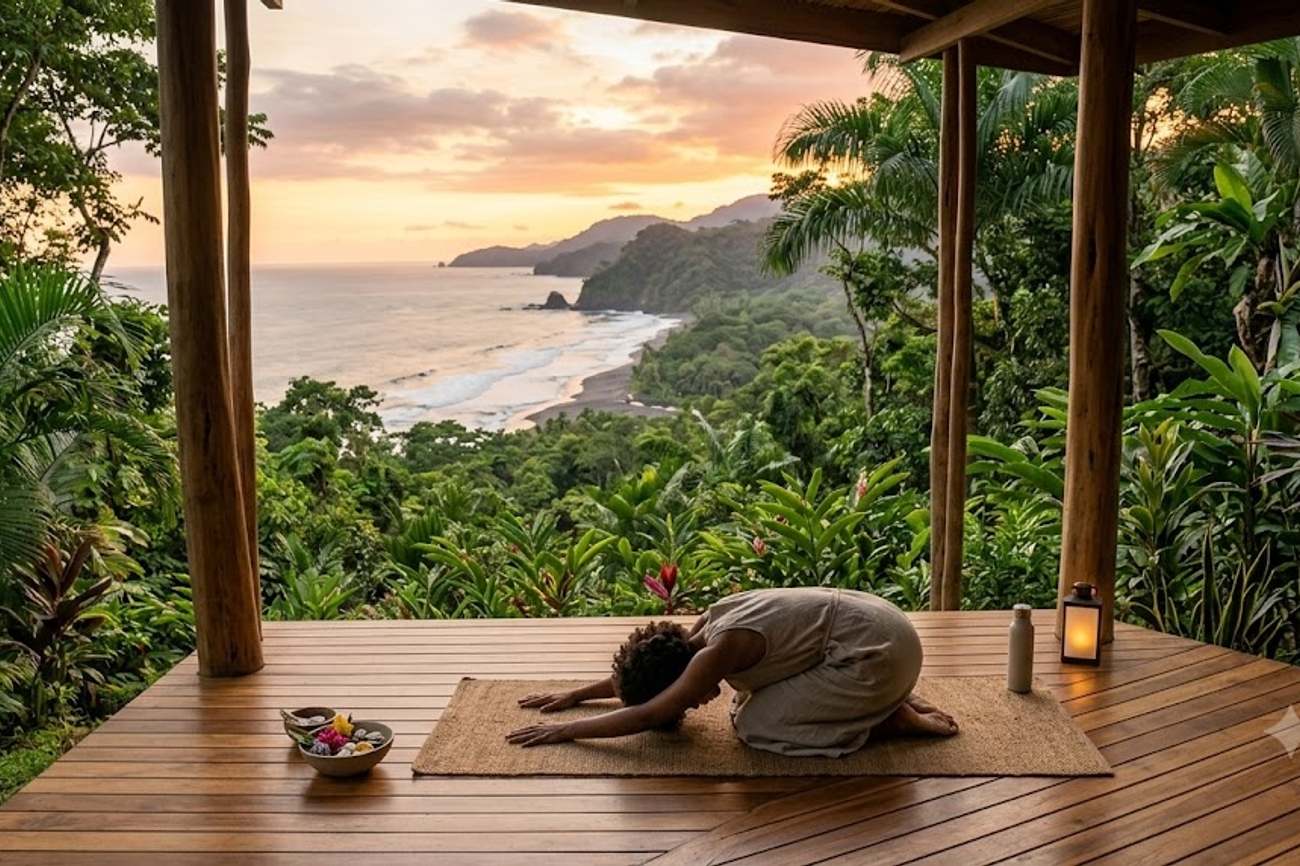
Image generated by AI
While Costa Rica was historically categorized as a primary eco-tourism hub, the shift toward "lifestyle-based tourism" has seen it pivot toward the high-margin wellness sector, where the focus has moved from simple nature observation to integrated personal restoration. This transition mirrors a broader regional movement across the Americas, where destinations are moving away from high-volume sightseeing toward "slow tourism" models that prioritize longevity and mental health over checklist-style itineraries.
The Pura Vida Pivot in Numbers
The evolution of Costa Rica’s tourism product is no longer about the quantity of visitors but the quality of the stay. The 2026 strategic framework emphasizes a transition from traditional spa-centric holidays to a comprehensive lifestyle model. This model integrates seven specific pillars: nature immersion, mindfulness journeys, sustainable accommodation, healthy gastronomy, outdoor activities, cultural connections, and personal wellbeing.
The data indicates a concentrated growth pattern in the Peninsula Papagayo region. This area serves as the primary benchmark for the country's luxury wellness trajectory, successfully merging five-star hospitality with strict environmental conservation. The market movement here is clear: there is a rising demand for "sustainable luxury," where high-net-worth individuals seek private villas and forest-based resorts that provide personalized wellness programs without sacrificing ecological integrity.
This shift is part of a wider trend tracked by the World Travel & Tourism Council (WTTC), which shows that wellness tourism is growing at a faster rate than general tourism globally. Costa Rica is leveraging its "Pura Vida" philosophy not just as a marketing slogan, but as a scalable tourism product that competes with established wellness hubs in Asia and Europe.
Regional Wellness Market Comparison
The wellness revolution in the Americas is not monolithic; it is fragmented into distinct "wellness identities" based on the natural and cultural assets of each nation. While Costa Rica leads in luxury nature-integrated wellness, Mexico is dominating the "ancient healing" segment, and Guatemala is carving a niche in "spiritual transformation."
The following table breaks down the regional competitive landscape and the primary drivers of their wellness growth:
| Destination | Primary Wellness Driver | Key Geographic Hubs | Market Position |
|---|---|---|---|
| Costa Rica | Lifestyle/Biodiversity | Peninsula Papagayo | Premium Sustainable Luxury |
| Mexico | Ancient Healing/Luxury | Riviera Maya, Oaxaca, Baja California Sur | High-End Cultural Integration |
| Guatemala | Spiritual/Maya Heritage | Lake Atitlán | Authentic Transformation |
| Panama | Marine/Island Biodiversity | Bocas del Toro, Boquete | Accessible Tropical Wellness |
| Colombia | Coffee Culture/Biodiversity | Sierra Nevada de Santa Marta | Rural Slow Tourism |
When comparing Mexico to Costa Rica, a clear divergence emerges. Mexico’s strategy is heavily reliant on indigenous knowledge and traditional medicine—particularly in Oaxaca—and the integration of cenote experiences in the Yucatán. In contrast, Costa Rica’s growth is more closely tied to its environmental reputation and the development of high-end nature-based resorts. According to data patterns often highlighted by STR, the move toward "wellness resorts" typically correlates with higher Average Daily Rates (ADR) and longer lengths of stay compared to standard leisure hotels.
Practical Traveler Advisory and Strategic Insights
The shift toward slow tourism and luxury wellness retreats changes the logistics of planning a trip to Central and South America. Travelers can no longer rely on "hop-on, hop-off" itineraries if they want to experience these wellness products.
1. Booking Windows and Lead Times: Because luxury wellness resorts in regions like Peninsula Papagayo and the Riviera Maya operate on a lower-density, high-service model, inventory is strictly limited. For Q3 and Q4 travel, booking 12-16 weeks in advance is now recommended to secure specialized wellness programs or private villas.
2. Budgetary Shifts: The transition from "eco-tourism" to "luxury wellness" means a significant increase in cost. Travelers should expect higher price points for accommodations that offer integrated mindfulness or longevity programs. However, these costs often bundle gastronomy and activities, reducing the need for separate daily expenditures.
3. Destination Selection based on Goal:
- If the goal is physical restoration and luxury, Costa Rica’s forest-based resorts are the data-backed choice.
- If the goal is spiritual or cultural healing, Guatemala’s Lake Atitlán or Mexico’s Oaxaca region provides a more authentic, less commercialized experience.
- If the goal is low-stress accessibility combined with nature, Panama’s Boquete or Bocas del Toro offers a more streamlined entry point.
Forward Projection: The Longevity Economy
The current trajectory suggests that the Americas are moving toward a "Longevity Economy" in travel. We are seeing a transition from "wellness" (which is often reactive, such as a massage after a long flight) to "wellness" (which is proactive, focusing on biological age reversal and mental health).
Mexico is already signaling this shift with the development of longevity-focused retreats in Baja California Sur. It is highly probable that Costa Rica will follow this pattern by 2027, integrating medical-grade wellness data—such as sleep tracking and nutritional genomics—into their luxury resort offerings. This will move the industry from "experiential travel" to "outcome-based travel," where the success of a trip is measured by biometric improvement rather than sights seen.
As indicated by IATA trends regarding premium cabin growth, the demographic driving this trend is the "silver economy"—wealthy retirees and high-earning professionals who view travel as a health investment. This will likely lead to an increase in direct, long-haul flight capacities to secondary airports closer to these wellness hubs to avoid the stress of major city transfers.
FAQ: Wellness Tourism Americas 2026
Will luxury wellness prices continue to rise in Costa Rica? Yes. As the market shifts from general eco-tourism to specialized luxury wellness and "longevity" stays, the scarcity of high-end, sustainable inventory in areas like Peninsula Papagayo will likely drive ADR higher through 2026.
Which destination is best for authentic, non-luxury wellness? Guatemala is currently the leader in this segment. Its focus on Maya heritage and spiritual journeys at Lake Atitlán prioritizes personal transformation and cultural connection over five-star amenities.
How does "slow tourism" differ from traditional vacationing? Slow tourism emphasizes longer stays in a single location to foster deeper connections with the local culture and environment. In Costa Rica, this means replacing a multi-city tour with a prolonged stay at a single nature-integrated retreat.
Are these wellness destinations sustainable? Costa Rica and Panama are leading in this regard by integrating biodiversity protection into their resort models. However, travelers should look for certifications to ensure "sustainable luxury" is a reality rather than a marketing term.
The era of the checklist vacation is ending; the era of the biometric breakthrough has begun.
Related Travel Guides
This article is for informational purposes. Flight routes, passenger regulations, visa rules, and transit advisories are subject to change by airlines and aviation authorities. Readers are advised to verify schedules and travel documentation with relevant carriers and border agencies before departure.
Related Stories
Zen Awakening Festival 2026: Florida's Transformational Music, Mindfulness, and Arts Gathering in Fruitland Park
12 Underrated Cities in China That International Travelers Are Starting to Discover