
UK Tourism Enters Tough Phase As Nearly 25% Rise In Oil Prices Raises Flight Prices And Puts Holiday Plans At Risk
UK Tourism Enters Tough Phase As Nearly 25% Rise In Oil Prices Raises Flight Prices And Puts Holiday Plans At Risk

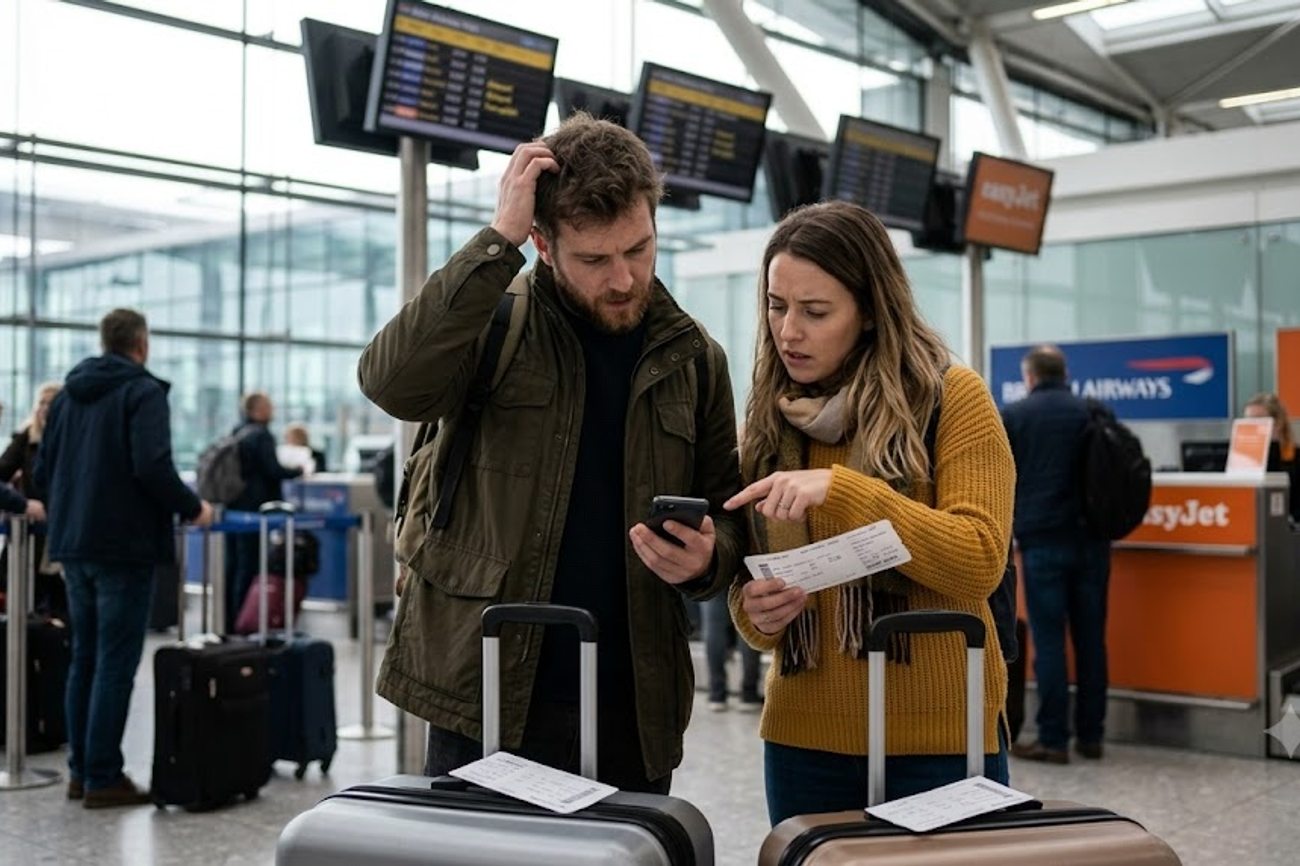
Image generated by AI
British holidaymakers are currently facing a volatile travel market where Brent Crude has breached the $108 per barrel mark and WTI has crossed $103, triggering a ripple effect that threatens to price millions out of their annual vacations. While most travelers focus on the final ticket price, the real story is the 25–35% surge in fuel-related expenses that is forcing airlines to fundamentally rewrite their route maps and pricing strategies for 2026.
The Great Flight Pivot of 2026
The UK aviation sector is currently navigating a period of intense instability. Because the UK serves as one of the largest aviation hubs in Europe, it is uniquely sensitive to global energy shocks. The current spike in oil prices isn't just a numbers game on a ledger; it is actively reshaping how British residents plan their year. We are seeing a shift where the traditional "summer getaway" is being scrutinized through a lens of affordability that hasn't been this tight in years.
Airlines are currently battling a surge in jet fuel expenses, which represents one of their most significant overheads. This pressure is most acute on long-haul corridors. Flights connecting London or Manchester to hubs in Asia, Australia, North America, and the Middle East are seeing the most aggressive price adjustments because these routes demand the highest fuel volume. When fuel costs climb, the profitability of these distant destinations shrinks, leading airlines to reconsider the frequency of their flights or, in some cases, suspend less profitable services entirely.
This instability is not confined to the skies. The entire tourism ecosystem is feeling the squeeze. Airports are grappling with higher ground operation costs, and coach companies are seeing their margins evaporate as diesel and petrol prices climb. Even the hospitality sector is affected, as the logistics of supplying hotels and attractions become more expensive, potentially leading to a general rise in the cost of a hotel room or a museum ticket.
What Makes the UK Market Unique
The UK's outbound tourism market is a powerhouse that sustains entire regional economies across Southern Europe. Destinations like Spain, Greece, Portugal, Italy, and Cyprus rely heavily on the steady stream of British visitors. When fuel prices push airfares up, it creates a systemic risk for these nations. A dip in British arrivals doesn't just affect the airlines; it hits the family-run tavernas in Crete, the boutique hotels in the Algarve, and the coastal resorts of the Costa del Sol.
However, this pressure is creating a fascinating internal shift. As the cost of crossing the channel or flying to the Mediterranean becomes prohibitive for budget-conscious families, there is a renewed interest in "staycations." The UK's own domestic tourism infrastructure—from the Highlands of Scotland to the coast of Cornwall—is positioned to capture the overflow of travelers who can no longer justify the expense of an international flight. This shift is encouraging a rediscovery of local heritage and regional travel, potentially benefiting smaller, domestic operators who have previously been overlooked in favor of overseas packages.
Visitor Insider Tips
Navigating the UK and its outbound travel during this high-cost period requires a strategic approach. To avoid the steepest price hikes, consider these local maneuvers:
Timing the Market: Avoid the traditional school holiday peaks in July and August. The "shoulder seasons"—late May to early June and September to October—offer significantly lower fares and a more authentic experience of European destinations without the crushing crowds.
Route Optimization: If long-haul flights to Asia or North America are becoming too expensive, look for "hub-and-spoke" booking strategies. Sometimes booking a flight to a major European hub via a budget carrier and then taking a separate long-haul ticket can shave hundreds off the total cost, though this requires more logistical planning.
Domestic Alternatives: For those staying within the UK, prioritize rail travel over rental cars where possible to avoid the volatility of petrol prices. Use the National Rail system and book "Advance" tickets up to 12 weeks early to secure the lowest rates.
Accommodation Shifts: Move away from all-inclusive resorts, which are currently raising prices to offset their own operational costs. Instead, look for independent apartments or guesthouses. In the UK, explore "glamping" or independent B&Bs in the Lake District or the Cotswolds as a high-value alternative to overseas luxury.
Transport Hacks: When traveling within Europe, consider the growing network of overnight trains. While slower than flying, they combine transport and accommodation costs, providing a hedge against rising airfares.
Cultural and Environmental Context
The current economic pressure on tourism highlights a deeper tension between the desire for global mobility and the environmental cost of aviation. The reliance on fossil fuels makes the travel industry a hostage to geopolitical instability and energy market fluctuations. This volatility is accelerating the conversation around sustainable travel.
There is a growing movement within the UK to move away from "overtourism" in Mediterranean hotspots. The current price surge may inadvertently help preserve fragile ecosystems and cultural sites in places like Venice or the Greek Islands by naturally limiting visitor numbers. At the same time, the shift toward domestic travel encourages a more sustainable footprint, reducing the carbon emissions associated with long-haul flights.
The challenge for local communities in the UK is whether the domestic infrastructure can handle a sudden influx of visitors. Many rural villages in the UK are not equipped for the same volume of tourism seen in Spanish resorts, leading to potential friction between locals and "staycationers" regarding traffic, waste management, and housing availability. This transition requires a careful balance to ensure that the economic benefits of increased domestic tourism do not come at the cost of local quality of life. For those interested in the preservation of the sites they visit, consulting the UNESCO World Heritage Centre can provide insight into how to visit sensitive locations responsibly.
FAQ: Visiting the UK 2026
What is the best time to visit the UK to avoid high costs? Visit during the shoulder seasons of spring (April to May) or autumn (September to October). The weather remains manageable, and accommodation prices are significantly lower than during the peak summer months of July and August.
How do I get around the UK affordably given rising fuel prices? The most cost-effective method is using the national rail network with Advance tickets. For shorter distances, local bus networks are far cheaper than rental cars or taxis, which are currently seeing price hikes due to fuel costs.
Is the UK safe for solo travelers in 2026? Yes, the UK remains one of the safest destinations for solo travelers. Major cities have extensive public transport and a high density of hostels and hotels catering to individuals. Always use official transport apps for navigation and safety.
Do I need a visa to visit the UK? Visa requirements depend on your nationality. Many visitors from the US, Canada, and EU countries can enter visa-free for tourism. Check the official Visit Britain website for the most current entry requirements.
The map of global travel is being redrawn by the price of a barrel of oil, turning the local journey into the new luxury.
#UKTravel2026 #BritishTourism #AviationCosts #StaycationTrends #EuropeanTravelEconomics
Related Travel Guides
- Why Sapa And Ha Giang Will Break Your Heart And Change The Way You Experience Every Single Northern Vietnam Travel Journey
- Andorra European Heritage Days Link Canillo and Ordino Tourism With Conservation and Transhumance
- Beijing Leads China’s Next Tourism Era With Smart Technology, Seamless Travel And Global Visitor-Friendly Reforms
Disclaimer
This article is for informational and educational purposes only. It does not constitute legal, financial, or professional advice. While we strive to provide accurate and up-to-date information, travel policies, regulations, and conditions change rapidly. Always verify information with official sources before making travel decisions. Nomad Lawyer makes no representations about the accuracy, reliability, completeness, or suitability of the information provided. Readers should consult qualified professionals for advice specific to their circumstances. The views expressed in this article are those of the author and do not necessarily reflect the views of Nomad Lawyer.
Preeti Gunjan
Contributor & Community Manager
A passionate traveller and community builder. Preeti helps grow the Nomad Lawyer community, fostering engagement and bringing the reader experience to life.
Learn more about our team →