
Why Sapa And Ha Giang Will Break Your Heart And Change The Way You Experience Every Single Northern Vietnam Travel Journey
Why Sapa And Ha Giang Will Break Your Heart And Change The Way You Experience Every Single Northern Vietnam Travel Journey

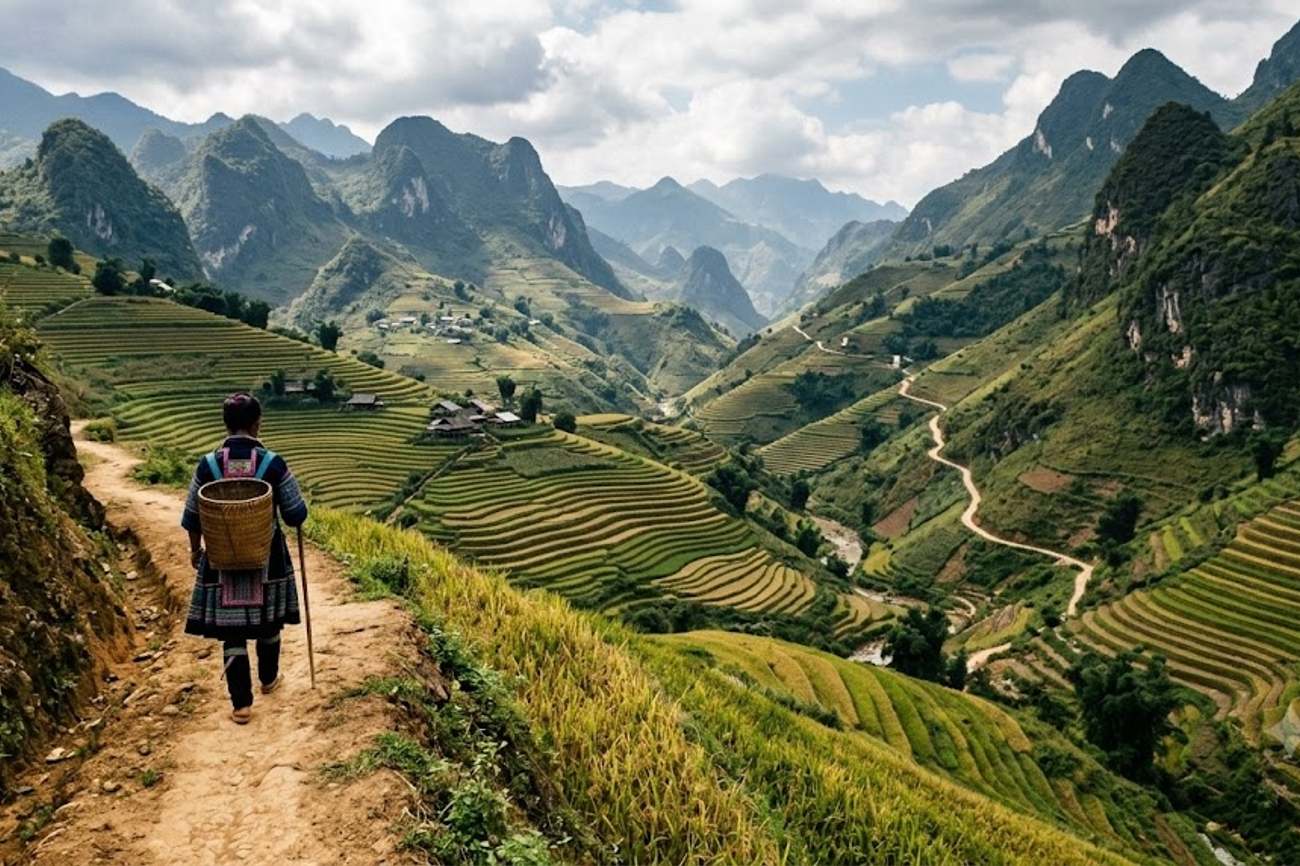
Image generated by AI
International arrivals to Vietnam's Northern Highlands have shifted from concentrated urban hubs to a diversified tri-modal distribution between Sapa, Ha Giang, and Mai Chau, mirroring a broader 2026 trend where "high-contrast" itineraries—mixing extreme adventure with restorative wellness—are replacing traditional sightseeing. While Hanoi remains the primary gateway, the data indicates a clear bifurcation in traveler personas: the "Comfort-Seeker" (Sapa), the "Expeditionist" (Ha Giang), and the "Mindful Traveler" (Mai Chau).
The Northern Highlands in Numbers: Market Segmentation
The current data suggests that Northern Vietnam is no longer a monolithic destination but a segmented market catering to three distinct economic and psychological profiles. Sapa operates as the high-value anchor, utilizing its developed infrastructure to capture high-net-worth individuals (HNWIs). The region's ability to blend ethnic minority cultural immersion with world-class boutique hospitality has turned it into a benchmark for "hybrid luxury-adventure" travel.
Conversely, Ha Giang has emerged as a primary driver for the extreme expedition market. This region does not compete on amenities but on "raw exploration" and physical endurance. The economic impact here is notably different; rather than centralized resort revenue, Ha Giang facilitates a redistribution of wealth through micro-economies, specifically community-based homestays and specialized motorcycling guide services.
Mai Chau represents the third pillar: the "tranquility commodity." By marketing low-impact exploration and restorative nature, Mai Chau attracts the wellness demographic. This shift aligns with global data from the World Tourism Organization (UNWTO), which shows a rising international demand for slow travel and sustainable, community-driven tourism models that prioritize mental rejuvenation over physical conquest.
Comparative Analysis: Regional Benchmarks and Traveler Profiles
When comparing these three hubs, the divergence in infrastructure and intent becomes apparent. Sapa is designed for accessibility and minimal logistical friction, whereas Ha Giang is designed for resilience and isolation. Mai Chau occupies the middle ground, focusing on sustainable preservation and rural rhythms.
The following table breaks down the regional differences based on current industry positioning:
| Metric | Sapa (Luxury-Hybrid) | Ha Giang (Extreme Expedition) | Mai Chau (Mindful Wellness) |
|---|---|---|---|
| Primary Demographic | HNWIs & Aging Demographics | Fearless Adventurers | Wellness & Slow-Travelers |
| Infrastructure Level | High (Boutique Hotels/Resorts) | Low (Homestays/Remote Outposts) | Moderate (Stilt-houses/Eco-lodges) |
| Physical Intensity | Low to Moderate | High (Motorbike/Trekking) | Low (Cycling/Walking) |
| Economic Model | High-End Hospitality | Community-Based Micro-economies | Sustainable Rural Tourism |
| Core Value Prop | Accessible Drama | Unfiltered Exploration | Restorative Tranquility |
This segmentation is a strategic response to the evolving global travel market. According to data patterns often tracked by STR, the diversification of lodging types—from luxury resorts in Sapa to grassroots homestays in Ha Giang—allows a destination to capture multiple spending brackets simultaneously, increasing the overall Average Daily Rate (ADR) for the region.
What This Means for Travelers
The data indicates that a "one size fits all" approach to Northern Vietnam will likely result in a mismatched experience. The choice of destination must be dictated by the traveler's physical threshold and desired level of amenity.
For those planning a trip in 2026, the following booking strategies are advised:
- The Luxury-Comfort Route (Sapa): If you prioritize high-end hospitality and wish to avoid severe physical strain, Sapa is the optimal choice. Because it caters to a mainstream luxury audience, booking boutique hotels 3-4 months in advance is recommended, especially during peak terrace seasons.
- The High-Octane Route (Ha Giang): Travelers seeking "heart-pounding" journeys should prepare for a lack of plush amenities. This route requires a higher degree of resilience. It is essential to vet specialized motorcycling guides, as the "extreme expedition" nature of the terrain makes professional navigation a safety requirement.
- The Restorative Route (Mai Chau): For those experiencing urban burnout, Mai Chau offers a "sanctuary" experience. Booking should focus on community-run stilt-house accommodations to ensure an authentic immersion in the rural rhythm.
Travelers should avoid attempting to combine all three in a short window; the physical and psychological contrast between the "raw" nature of Ha Giang and the "serene" nature of Mai Chau requires significant transition time to avoid travel fatigue.
Forward Projection: The Evolution of Northern Vietnam
Based on current trajectories, we expect to see a further "professionalization" of the Ha Giang expedition market. As global travelers increasingly reject "sanitized resort bubbles," the demand for authentic, challenging experiences will drive more investment into safety infrastructure (road improvements and emergency services) without compromising the region's rugged appeal.
Sapa is likely to move toward a more sustainable "high-value, low-impact" model to prevent the degradation of its terraced landscapes under the pressure of mass luxury tourism. We anticipate a shift toward stricter visitor caps or premium pricing for access to certain ethnic minority zones to preserve cultural integrity.
Finally, Mai Chau is positioned to become a leading Southeast Asian hub for the "wellness economy." By transforming quiet agricultural landscapes into international retreats, Mai Chau is following a global trend where silence and slow-paced living are marketed as the ultimate luxury commodities. This will likely attract a growing number of digital nomads and long-term "slow-travel" residents.
FAQ: Northern Vietnam Highlands 2026
Which destination is best for elderly travelers? Sapa is the recommended choice. Its well-developed infrastructure and luxury hospitality minimize logistical barriers and physical strain, allowing older demographics to experience mountain vistas without the intensity of remote trekking.
Is Ha Giang safe for inexperienced motorcyclists? No. The terrain is described as "unyielding" with winding mountain passes. Industry standards suggest using professional guides and specialized expedition services to navigate the limestone karsts and remote frontiers safely.
Can I find luxury accommodations in Mai Chau? Luxury in Mai Chau is defined differently than in Sapa. Instead of world-class hotels, "luxury" here refers to the commodity of tranquility and restorative nature, typically found in high-quality, sustainable eco-lodges and traditional stilt-houses.
How does the cost differ between Sapa and Ha Giang? Sapa generally commands higher prices due to its boutique resorts and high-end services. Ha Giang operates on a micro-economy basis, with costs centered around homestays and local guides, making it more budget-friendly but physically more demanding.
The shift from mass tourism to persona-driven segmentation is transforming Northern Vietnam into a precision-engineered travel experience.
#SapaLuxuryGrowth2026 #HaGiangExpeditionMarket #MaiChauWellnessTrend #VietnamHighlandsSegmentation #NorthernVietnamTourismData
Related Travel Guides
- Andorra European Heritage Days Link Canillo and Ordino Tourism With Conservation and Transhumance
- Beijing Leads China’s Next Tourism Era With Smart Technology, Seamless Travel And Global Visitor-Friendly Reforms
- Vietnam Changes Global Travel Forever By Proving That Meaningful Long Stays Beat Quick Visits Across Asia
Disclaimer
This article is for informational and educational purposes only. It does not constitute legal, financial, or professional advice. While we strive to provide accurate and up-to-date information, travel policies, regulations, and conditions change rapidly. Always verify information with official sources before making travel decisions. Nomad Lawyer makes no representations about the accuracy, reliability, completeness, or suitability of the information provided. Readers should consult qualified professionals for advice specific to their circumstances. The views expressed in this article are those of the author and do not necessarily reflect the views of Nomad Lawyer.
Naina Thakur
Contributor & Travel Specialist
Travel enthusiast and legal writer covering visa regulations, responsible tourism, and cultural journeys across global destinations.
Learn more about our team →