
Andorra European Heritage Days Link Canillo and Ordino Tourism With Conservation and Transhumance
Andorra European Heritage Days Link Canillo and Ordino Tourism With Conservation and Transhumance

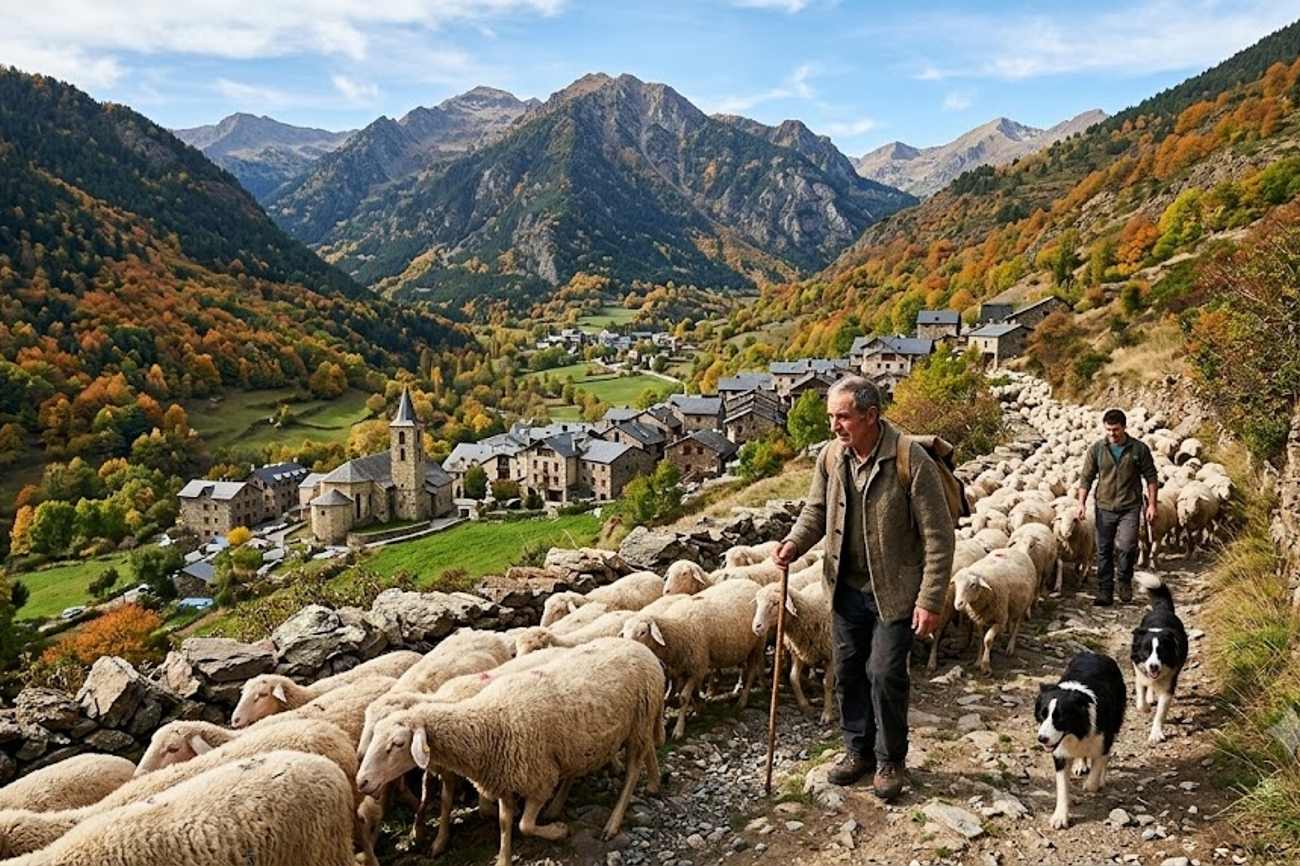
Image generated by AI
10 to 20 September 2026 marks the window for Andorra’s European Heritage Days, a strategic pivot designed to transform the country's "shoulder season" into a high-value cultural corridor. By offering free, pre-booked activities centered on "Heritage at Risk: Revive, Resist, Reimagine," the Government of Andorra is attempting to decouple its national brand from a binary reliance on winter skiing and summer hiking. This initiative arrives precisely as the nation navigates a legislative shift toward de-seasonalisation and the protection of its rural identity, moving away from mass-market retail tourism toward a model of curated, experiential conservation.
The Legislative Shift Toward De-seasonalisation
The timing of the 2026 European Heritage Days is not accidental. It follows the enactment of a new tourism law that explicitly prioritizes the protection of heritage and the redistribution of visitor traffic across the calendar year. For decades, Andorra has suffered from extreme demand volatility, with infrastructure strained during peak winter months and underutilized in September.
This cultural programming serves as a practical application of that law. By focusing on "intangible heritage"—oral traditions, song, and pastoral knowledge—the state is creating a reason for high-spending cultural tourists to visit during a period that previously lacked a strong value proposition. This strategy is further reinforced by a 10 September draft bill currently in the parliamentary process to establish Andorra’s first national natural park. This proposed park would encompass the parishes of Canillo and Ordino, effectively codifying the protection of the very landscapes and traditions being showcased during the Heritage Days.
Data Breakdown: The September Cultural Calendar
The 2026 programme converts abstract conservation goals into specific, bookable itineraries. The following table outlines the operational schedule and the specific tourism shift each event represents.
| Date | Time | Location | Activity | Strategic Tourism Shift |
|---|---|---|---|---|
| 18 September | 16:00–18:00 | Former Hotel Rosaleda | Fresco-painting workshop | From passive viewing to participatory restoration |
| 19 September | 10:30–13:00 | Borda del Sabater | Dry-stone skill transmission | From scenery appreciation to technical heritage |
| 19 September | 19:00–20:30 | Casa Rossell, Ordino | Traditional song & dovecote access | From architectural tourism to intangible oral memory |
| 20 September | 09:00–13:00 | Incles Valley, Canillo | Guided transhumance examination | From nature walking to living agricultural history |
The operational requirements for these events are strict: while the activities are free, they require advance reservations via VisitAndorra. This booking requirement allows the government to manage carrying capacities in sensitive areas like the Incles Valley, preventing the "overtourism" that the new tourism law seeks to mitigate.
Expert Analysis: The Commercialization of Conservation
For the professional travel designer or the independent nomad, the shift in Andorra is a move toward "Living Heritage." The most significant example is the 20 September event in the Incles Valley. Unlike many European destinations where "transhumance" (the seasonal movement of livestock) is a museum piece, in Andorra, it remains a functional agricultural practice. Cattle, horses, and sheep still migrate to high-altitude pastures in the summer and return in autumn.
The direct consequence for travelers is a change in how they must perceive the landscape. The Incles Valley is no longer just a backdrop for hiking toward Cabana Sorda, Juclar, or Siscaró; it is a working industrial site for pastoralism. However, there is a critical logistical distinction that operators must communicate: the Heritage Days event is a four-hour structured examination (09:00 to 13:00), whereas the full Camí de la Transhumància is a difficult, multi-day trek. Confusing these two products could lead to significant safety and logistical failures for unprepared tourists.
In Ordino, the integration of Casa Rossell into this framework leverages existing international accolades. Since UN Tourism named Ordino a Best Tourism Village in 2023, and UNESCO established the Ordino Biosphere Reserve in 2020—covering 82.7 square kilometres—the region has a pre-existing "green" brand. By linking the 19 September song heritage event to these designations, Andorra is positioning Ordino not as a village with a few monuments, but as a holistic ecosystem where traditional agriculture and environmental quality are the primary products.
The pricing pressure created by this shift is subtle but real. By moving toward "slow tourism" and specialized cultural experiences, Andorra is signaling a move away from the low-margin, high-volume shopping tourism that has historically defined its economy. The goal is to attract a demographic that values "knowledge that can disappear"—such as dry-stone masonry and oral musical heritage—which typically correlates with higher per-capita spending on local lodging and authentic gastronomy.
Key Takeaways
- Strategic Timing: The 10–20 September window is a deliberate attempt to fill the gap between summer and winter peaks, supported by new legislation on de-seasonalisation.
- Living Heritage: Transhumance in the Incles Valley is a functional practice, not a reenactment, providing a "living" product for nature tourists.
- Logistical Caution: The 20 September guided event is a 4-hour experience; it is not a substitute for the full, difficult multi-day Camí de la Transhumància hike.
- Institutional Backing: The focus on Ordino is supported by its 2020 UNESCO Biosphere Reserve status (82.7 sq km) and its 2023 UN Tourism Best Tourism Village designation.
- Civic Engagement: A citizen consultation running through 25 October is determining the restoration priority for items including 18th-century liturgical books and a Casa Rossell grandfather clock.
FAQ: Andorra Heritage Tourism 2026
Are the European Heritage Days activities free for all visitors? Yes, all activities from 10 to 20 September 2026 are free of charge. However, they are not "walk-in" events; advance reservations are mandatory to manage visitor flow and protect the heritage sites.
What is the difference between the Incles Valley event and the Transhumance Trail? The Heritage Days event on 20 September is a guided 4-hour session (09:00–13:00) focusing on pastoral history. The Camí de la Transhumància is a separate, difficult high-mountain hiking route that takes more than one day to complete.
Can tourists participate in the restoration voting process? No. The consultation running through 25 October to prioritize the restoration of objects (such as the Meritxell sanctuary plans) is a citizen consultation intended for Andorran residents, not a tourist activity.
Why is Ordino highlighted specifically in this program? Ordino is a UNESCO Biosphere Reserve and a UN Tourism Best Tourism Village. Its focus on the intersection of rural traditions and environmental stewardship makes it the primary hub for Andorra's "slow tourism" strategy.
Andorra is betting that the value of a disappearing song or a dry-stone wall is higher than the draw of a duty-free shop.
#Andorra2026 #InclesValley #OrdinoBiosphere #EuropeanHeritageDays #TranshumanceTourism #CasaRossell
Related Travel Guides
- Beijing Leads China’s Next Tourism Era With Smart Technology, Seamless Travel And Global Visitor-Friendly Reforms
- Vietnam Changes Global Travel Forever By Proving That Meaningful Long Stays Beat Quick Visits Across Asia
- Italy Aligns With Germany and Other Countries as Travellers Rank Europe’s Top 6 Destinations for Service Experiences
Disclaimer
This article is for informational and educational purposes only. It does not constitute legal, financial, or professional advice. While we strive to provide accurate and up-to-date information, travel policies, regulations, and conditions change rapidly. Always verify information with official sources before making travel decisions. Nomad Lawyer makes no representations about the accuracy, reliability, completeness, or suitability of the information provided. Readers should consult qualified professionals for advice specific to their circumstances. The views expressed in this article are those of the author and do not necessarily reflect the views of Nomad Lawyer.
Preeti Gunjan
Contributor & Community Manager
A passionate traveller and community builder. Preeti helps grow the Nomad Lawyer community, fostering engagement and bringing the reader experience to life.
Learn more about our team →