UAE Residency Update: Golden Visa Rules and Employment Grace Period

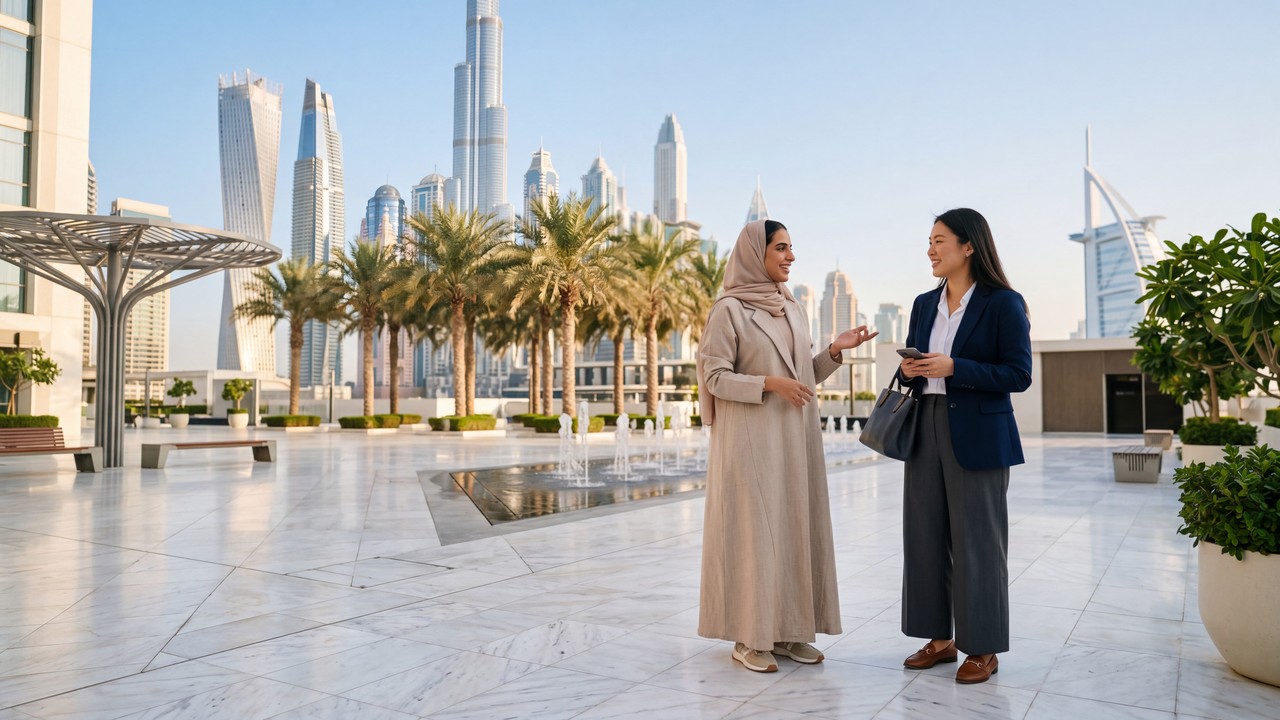
Image generated by AI
UAE Updates Residency Framework for Investors and Expatriates
The UAE government has introduced pivotal changes to its residency laws to better align with its goals for long-term population growth and foreign investment. The reforms focus on two primary pillars: the flexibility of employment transitions and the rigor of property-based residency.
Industry observers note that these updates are designed to stabilize the expatriate workforce while ensuring that the Golden Visa remains a high-value asset for the state. By extending the window for job seekers and clarifying investment thresholds, the UAE is refining its approach to "long-stay" travel and professional relocation.
Key Facts Breakdown
- Employment Grace Period: Increased from 30 days to 90 days, granting residents an additional 60 days to secure new sponsorship or exit the country.
- Golden Visa Threshold: Fixed at AED 2 million.
- Equity Requirement: Investment must now be based on paid-up equity in completed property units.
- Off-Plan Restrictions: Tighter regulations now apply to certain off-plan property arrangements for visa eligibility.
- Geographic Scope: These rules apply across all major hubs, including Dubai, Abu Dhabi, Sharjah, Ras Al Khaimah, and Fujairah.
Residency Change Comparison
| Feature | Previous Regulation | New Regulation |
|---|---|---|
| Employment Grace Period | 30 Days | 90 Days |
| Golden Visa Investment | AED 2 Million | AED 2 Million (Paid-up Equity) |
| Property Status | Various | Completed Units (Strict Off-plan rules) |
| Impacted Emirates | National | Dubai, Abu Dhabi, Sharjah, RAK, Fujairah |
Why This Matters
Our analysis of these policy shifts indicates a strategic move toward "quality over quantity" in the UAE's residency ecosystem.
The extension of the employment grace period is a direct response to the competitive global talent market. By reducing the immediate pressure on professionals to leave after job termination, the UAE increases the likelihood that high-skilled talent will find new roles within the country rather than relocating abroad.
Simultaneously, the insistence on "paid-up equity" for Golden Visas closes loopholes previously exploited via off-plan speculation. This ensures that residency is tied to tangible, completed assets, which stabilizes the real estate market and prevents artificial price inflation driven by visa-seeking buyers rather than genuine investors.
Industry Outlook
Market trends suggest that the intersection of tourism and residency will continue to tighten. We expect a rise in "investor-led travel," where high-net-worth individuals utilize the clarified Golden Visa rules to establish permanent bases, subsequently increasing demand for luxury hospitality and aviation services.
Furthermore, the 90-day grace period will likely lead to a temporary increase in short-term rental demand as transitioning professionals opt for flexible housing over immediate repatriation.
Related Travel Guides
This article is for informational purposes. Flight routes, passenger regulations, visa rules, and transit advisories are subject to change by airlines and aviation authorities. Readers are advised to verify schedules and travel documentation with relevant carriers and border agencies before departure.
Related Stories

Global Tourism Spending to Hit US$1.8 Trillion in 2026 as International Arrivals Reach 1.57 Billion

Copenhagen and Reykjavik Lead 2026 Global Safest Cities Rankings for Holiday Tourism