Global Tourism Spending to Hit US$1.8 Trillion in 2026 as International Arrivals Reach 1.57 Billion

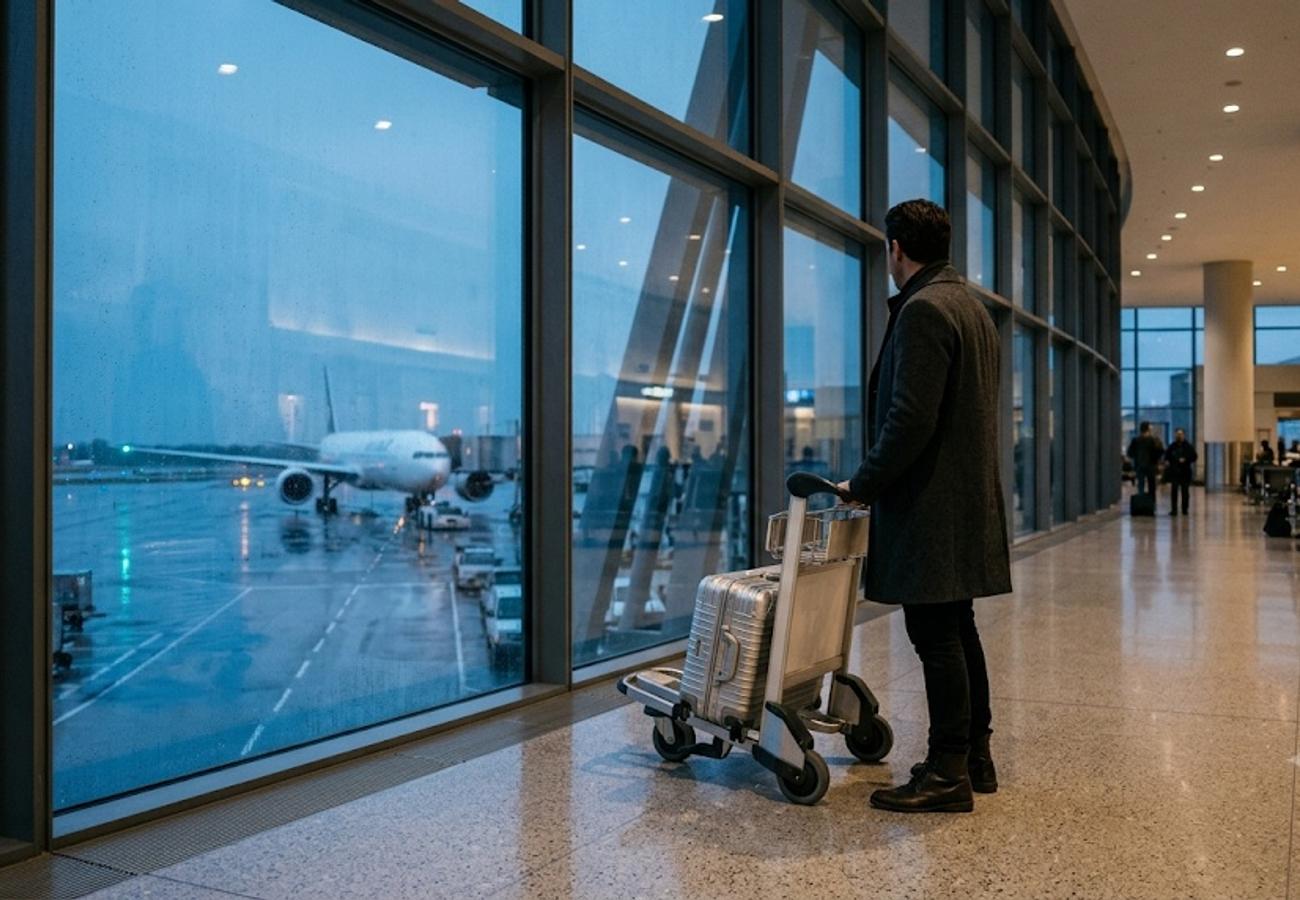
Image generated by AI
A traveler booking a multi-city tour through the Middle East this winter may find their itinerary suddenly upended by airspace closures and flight cancellations, reflecting a volatile regional landscape. While the global tourism industry is celebrating record-breaking financial projections, the individual passenger experience is increasingly defined by a divide between high-spending luxury and the logistical instability of international aviation.
The 2026 Global Tourism Economic Shift
The travel industry is approaching a historic financial peak. According to the WTM Global Travel Report 2026, produced by Tourism Economics (an Oxford Economics company), international visitor spending is expected to reach US$1.8 trillion. This surge occurs alongside an estimated 1.57 billion international arrivals.
A critical trend emerging from this data is that spending is growing faster than the actual number of travelers. While international overnight arrivals are projected to grow by only 2% in 2026—a significant slowdown from the 6% growth seen in 2025—expenditure is forecast to climb by 6%. This indicates that the industry is relying on higher spending per capita rather than a sheer increase in volume.
When combining domestic and international markets, total visitor spending is expected to hit US$7.8 trillion, with total visitor nights reaching 24.2 billion. However, this macro-economic success masks deep regional disparities, particularly where geopolitical conflict intersects with aviation infrastructure.
Regional Growth and Decline Metrics
The recovery of global tourism is uneven. While some regions are seeing a surge in interest, others are facing collapse due to instability. The Middle East, in particular, is seeing a drastic downturn, which has ripple effects on global connectivity due to the region's role as a primary transit hub for flights between Europe, Asia, and Africa.
International Tourism Performance by Region (2026 Forecast)
| Region | Projected Arrival Growth | Primary Drivers / Inhibitors |
|---|---|---|
| Africa | +8% | Wildlife safaris, adventure tourism, coastal hubs |
| Oceania | +8% | Nature-based holidays, long-distance leisure |
| Europe | +5% | Rail connectivity, cultural tourism in France, Italy, Spain |
| Middle East | -40% | Conflict involving Iran, aviation disruptions, low confidence |
| Asia-Pacific | +1% (UN Tourism) | Modest recovery, expanding outbound markets (China/India) |
Your Rights as a Passenger During Disruptions
With the Middle East facing a 40% decline in arrivals and significant aviation disruptions, passengers transiting through or visiting the region must be aware of their legal protections. If your flight is cancelled or significantly delayed due to these instabilities, your rights depend on the airline's origin and the jurisdiction of the airport.
1. EU and UK Protections (EU261/2004 & UK261) If your flight departs from an EU/UK airport or is operated by an EU/UK carrier arriving into the bloc, you are entitled to:
- Duty of Care: Free meals, refreshments, and hotel accommodation if the delay is overnight.
- Compensation: Up to €600 (£520) for cancellations or delays over 3 hours, unless the airline can prove "extraordinary circumstances" (such as sudden airspace closures due to war). Note: While geopolitical conflict is often cited as an extraordinary circumstance, the airline must still provide a refund or re-routing.
2. US Department of Transportation (DOT) Rules For flights involving US airports, the US Department of Transportation mandates that passengers are entitled to a full refund if the airline cancels a flight and the passenger chooses not to travel on the alternative offered.
3. Right to Care and Information Regardless of the region, passengers should monitor their status via FlightRadar24 or official airline status pages to receive real-time updates before arriving at the airport.
Rebooking Strategy and Alternatives
As short-haul international travel increases by 3% and long-haul inter-regional travel declines by 3%, travelers are shifting their strategies to avoid the risks and costs associated with long-distance flights.
- The "Value-Premium" Hybrid: 56% of travelers are now combining budget flights and modest hotels with high-end "splurge" experiences (fine dining or private excursions). To replicate this, book "basic economy" for transit and allocate those savings to local boutique experiences.
- Regional Pivoting: If Middle Eastern hubs are unstable, look for alternative transit points. For travel between Europe and Asia, consider routes via Istanbul (Turkish Airlines) or direct long-haul flights that bypass conflict zones, even if the ticket price is slightly higher.
- Off-Season Scheduling: With 22% of travelers planning to change their usual travel dates to find better value, consider visiting high-demand regions like Europe or Oceania during "shoulder seasons" (spring or autumn) to avoid peak pricing and crowds.
- Short-Haul Shifts: For those in Europe or Africa, prioritize rail travel or regional airlines to minimize the risk of large-scale aviation disruptions.
FAQ: Global Travel Trends 2026
Am I entitled to compensation for flights cancelled due to Middle East conflicts? Under EU261, "extraordinary circumstances" usually exempt airlines from paying cash compensation. However, they are still legally required to provide a full refund or re-route you to your destination at the earliest opportunity.
Why is travel spending increasing if the number of travelers is growing slowly? This is driven by inflation in travel costs and a trend toward "premiumization," where travelers spend more on luxury experiences and higher-tier accommodation despite traveling less frequently.
What is the best way to handle a sudden flight cancellation? Immediately check your rights via the UK CAA or DOT. Request a written statement of the reason for cancellation and keep all receipts for food and hotels to claim reimbursement.
Which regions are currently the safest bets for growth and stability? Africa and Oceania are seeing the strongest growth (+8%), while Europe remains a stable choice due to extensive rail networks and established tourism infrastructure.
The global travel economy is expanding, but the savvy traveler must now balance the allure of record-breaking destinations with the reality of geopolitical risk.
Related Travel Guides
This article is for informational purposes. Flight routes, passenger regulations, visa rules, and transit advisories are subject to change by airlines and aviation authorities. Readers are advised to verify schedules and travel documentation with relevant carriers and border agencies before departure.
Related Stories

US National Parks Face Decline in International Tourism Due to $100 Visitor Fee

Japan Implements New Tax Refund Rules 2026: Tourists Must Pay Upfront and Pass Exit Checks