
Fiji Infections Reach 41% TB-HIV Co-Infection Rate: Travel Alert
Fiji infections reach alarming levels as TB-HIV co-infections account for 41 percent of tuberculosis cases in 2026, raising significant travel concerns and public health warnings for international visitors.

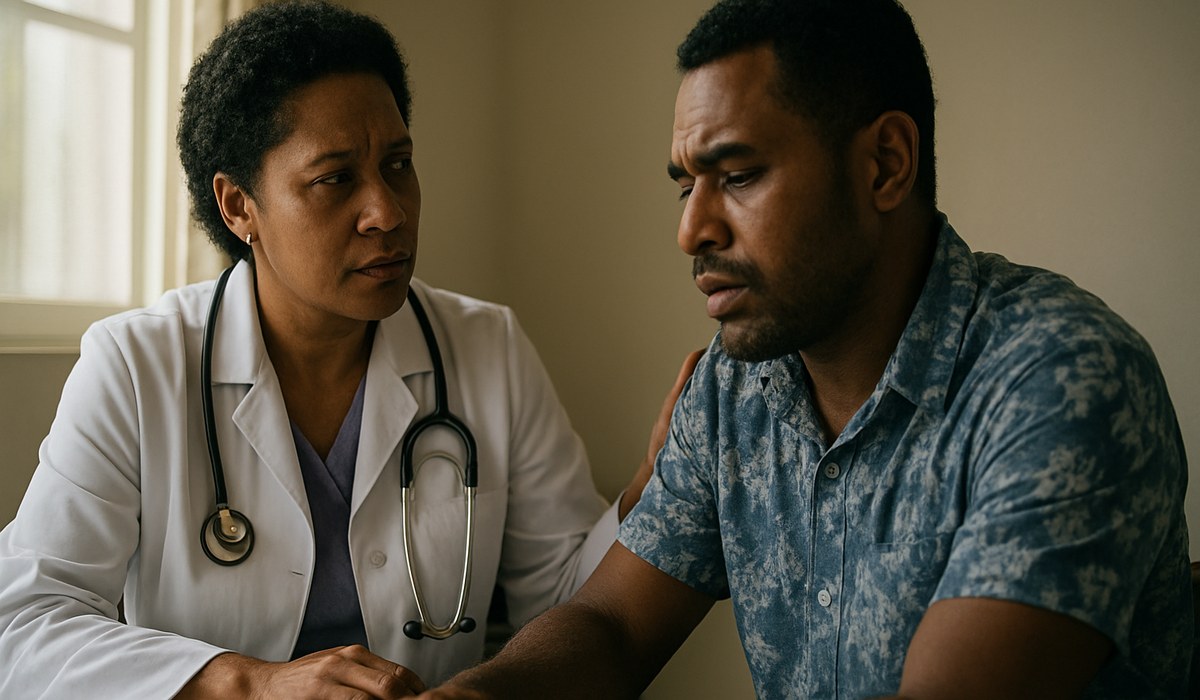
Image generated by AI
Fiji Infections Reach Critical Threshold as TB-HIV Co-Infection Rates Surge
Fiji is confronting an unprecedented public health crisis as TB-HIV co-infections have reached 41 percent of all notified tuberculosis cases, according to assessments released in March 2026. The dramatic rise in dual infections represents a major shift from earlier years when co-infections remained rare, now triggering urgent travel advisories and international health warnings. Health authorities and international organizations are mobilizing emergency response efforts across the Pacific island nation.
Understanding the Dual Epidemic Driving Fiji Infections Reach 41 Percent
The emergence of simultaneous HIV and tuberculosis infections in Fiji reflects a rapidly escalating epidemic that health systems were not designed to manage at this scale. TB-HIV co-infection rates at 41 percent place the country as an outlier in the Western Pacific region, where neighboring nations maintain significantly lower overlap rates between the two diseases.
Health agencies estimate that people living with HIV in Fiji have more than doubled within just a few years. Projections indicate case numbers could exceed 3,000 in the near term, fundamentally reshaping disease burden across the nation. The World Health Organization has flagged Fiji's dual epidemic as requiring urgent integrated intervention strategies to prevent further deterioration.
This intersection occurs because HIV substantially increases the risk of developing active tuberculosis and complications from TB-related illness. Late diagnosis, limited community awareness, and social stigma continue to worsen outcomes, creating an environment where both diseases spread more rapidly. Understanding this connection is essential for travelers assessing their personal risk.
From Isolated Cases to Surging Numbers: The Alarming Trajectory
Fiji's TB-HIV situation has transformed dramatically over just 24 months. Early technical reports from the mid-2020s documented only single-digit co-infection cases annually, suggesting most tuberculosis patients tested HIV negative. Today's landscape differs markedly.
Health officials acknowledge a fourfold increase in co-infected TB patients within a single year. This explosive growth reflects multiple transmission pathways, including unsafe injecting practices with needle sharing and sexual transmission routes. Crowded living conditions and limited access to early testing have accelerated disease spread throughout Suva and surrounding regions.
Regional analyses from the Pacific Island Health Officers Association confirm that even moderate HIV prevalence increases can fundamentally alter tuberculosis epidemiology. Fiji's new co-infection figures validate these warnings and justify expanded integrated HIV-TB funding from international partners including the United Nations Development Programme supporting Pacific health resilience efforts.
Travel Implications and Health System Strain Raising Concerns for Visitors
International travelers face mounting health risks due to strained diagnostic laboratories and overwhelmed inpatient wards across Fiji's healthcare infrastructure. The country's health system, already under pressure from the escalating dual epidemic, struggles to manage the volume and complexity of co-infected patients requiring simultaneous HIV and TB treatment protocols.
Fiji's national health authorities have launched a comprehensive surge strategy addressing broader screening in health facilities, targeted outreach to key populations, and community engagement campaigns. Despite these efforts, observers note significant capacity limitations persist. The 2025-2026 budget allocations reflect enhanced HIV program investment, yet medical experts warn that rising co-infection rates continue straining diagnostic and treatment resources.
For travelers, these developments create specific concerns regarding healthcare access, diagnostic delays, and disease exposure risk in healthcare settings. Visitors should verify current health recommendations with their airline and consulate before travel. The Centers for Disease Control and Prevention provides updated Fiji health guidance for travelers regularly reflecting the evolving outbreak situation.
International Response and Emergency Support Mobilization
Global health organizations have mobilized rapid response efforts to support Fiji's disease control initiatives. The United Nations and global health financing mechanisms have supplied antiretroviral drugs, tuberculosis medicines, and diagnostic tools as part of an integrated Western Pacific program addressing co-infection management.
Fiji's government formally characterized the HIV situation as an outbreak in 2025, triggering emergency support protocols from international partners. This recognition ensures coordinated approaches rather than siloed disease programs, acknowledging that TB-HIV co-infection demands comprehensive treatment strategies addressing both pathogens simultaneously.
Regional technical documents from the Western Pacific Health Organization identify Fiji as requiring specialized intervention beyond standard TB or HIV control measures. The integrated approach emphasizes early HIV diagnosis, rapid TB screening for HIV-positive patients, and coordinated treatment regimens preventing treatment failures and mortality.
Key Epidemiological Data: Fiji's TB-HIV Co-Infection Crisis
| Metric | Finding | Timeframe | Regional Comparison |
|---|---|---|---|
| TB-HIV Co-Infection Rate | 41% of TB cases | March 2026 | Highest in Western Pacific |
| HIV Population Growth | More than doubled | 3-5 years | Rapid acceleration phase |
| Projected HIV Cases | 3,000+ living with HIV | 2026-2027 | Exceeds earlier models |
| Co-Infection Case Jump | Fourfold increase | Single year | Unprecedented surge |
| Earlier Co-Infection Baseline | Single-digit cases annually | Mid-2020s | Rare occurrence then |
| Percent Increase in TB Cases | Proportional to HIV rise | 2024-2026 | Follows epidemic curve |
What This Means for Travelers
Concrete health precautions for Fiji visitors:
-
Pre-departure consultation: Schedule appointments with travel medicine specialists at least 4-6 weeks before departure to discuss Fiji-specific health risks and obtain current recommendations.
-
Medical insurance verification: Confirm your travel insurance covers emergency medical evacuation and international healthcare costs, as Fiji's healthcare system faces capacity constraints.
-
Healthcare facility selection: Identify accredited private healthcare providers in Nadi and Suva before arrival. Avoid public hospital care unless absolutely necessary due to diagnostic delays.
-
Respiratory precautions: Minimize time in crowded indoor spaces, healthcare facilities, and public transportation where TB transmission risk increases during the outbreak period.
-
Infection avoidance: Follow strict hand hygiene protocols, avoid sharing personal items, and maintain distance from individuals displaying respiratory symptoms.
-
Emergency contacts: Obtain contact information for your country's embassy or consulate in Suva before departure for medical assistance coordination.
-
Post-travel monitoring: If you develop persistent cough, fever, or respiratory symptoms within 3 months of returning home, seek immediate medical evaluation and inform providers of your Fiji travel history.
Frequently Asked Questions About Fiji Infections Reach and Travel Safety
What exactly are TB-HIV co-infections and why do fiji infections reach 41 percent? TB-HIV co-infection occurs when one person simultaneously carries both tuberculosis and HIV pathogens. Fiji infections reach 41 percent because HIV suppresses the immune system, dramatically increasing TB development risk. The dual epidemic spreads through respiratory transmission for TB and blood/sexual transmission for HIV, creating overlapping transmission networks in communities with limited testing and treatment access.
How do fiji infections reach travelers and what transmission risks exist? Travelers face TB exposure through prolonged close contact with infected individuals in healthcare settings, public transportation, and crowded accommodations. HIV transmission requires direct blood or sexual contact, posing negligible risk through casual interaction. The primary concern involves TB respiratory transmission during the acute outbreak phase, particularly in healthcare facilities where patients concentrate.
Should travelers cancel Fiji trips due to TB-HIV co-infection rates? Cancellation decisions depend on individual health status, vaccination history, and risk tolerance. Immunocompromised individuals, pregnant travelers, and those with underlying respiratory conditions face elevated risk and should consult travel medicine specialists. Generally healthy travelers can visit with appropriate precautions and medical preparation, though elective trips
Disclaimer
This article is for informational and educational purposes only. It does not constitute legal, financial, or professional advice. While we strive to provide accurate and up-to-date information, travel policies, regulations, and conditions change rapidly. Always verify information with official sources before making travel decisions. Nomad Lawyer makes no representations about the accuracy, reliability, completeness, or suitability of the information provided. Readers should consult qualified professionals for advice specific to their circumstances. The views expressed in this article are those of the author and do not necessarily reflect the views of Nomad Lawyer.
Preeti Gunjan
Contributor & Community Manager
A passionate traveller and community builder. Preeti helps grow the Nomad Lawyer community, fostering engagement and bringing the reader experience to life.
Learn more about our team →