
Turkish Airlines Algiers Flight Is Now Turning Back To Istanbul As The Reported Bird Strike Disrupts New Travel
Turkish Airlines Algiers Flight Is Now Turning Back To Istanbul As The Reported Bird Strike Disrupts New Travel

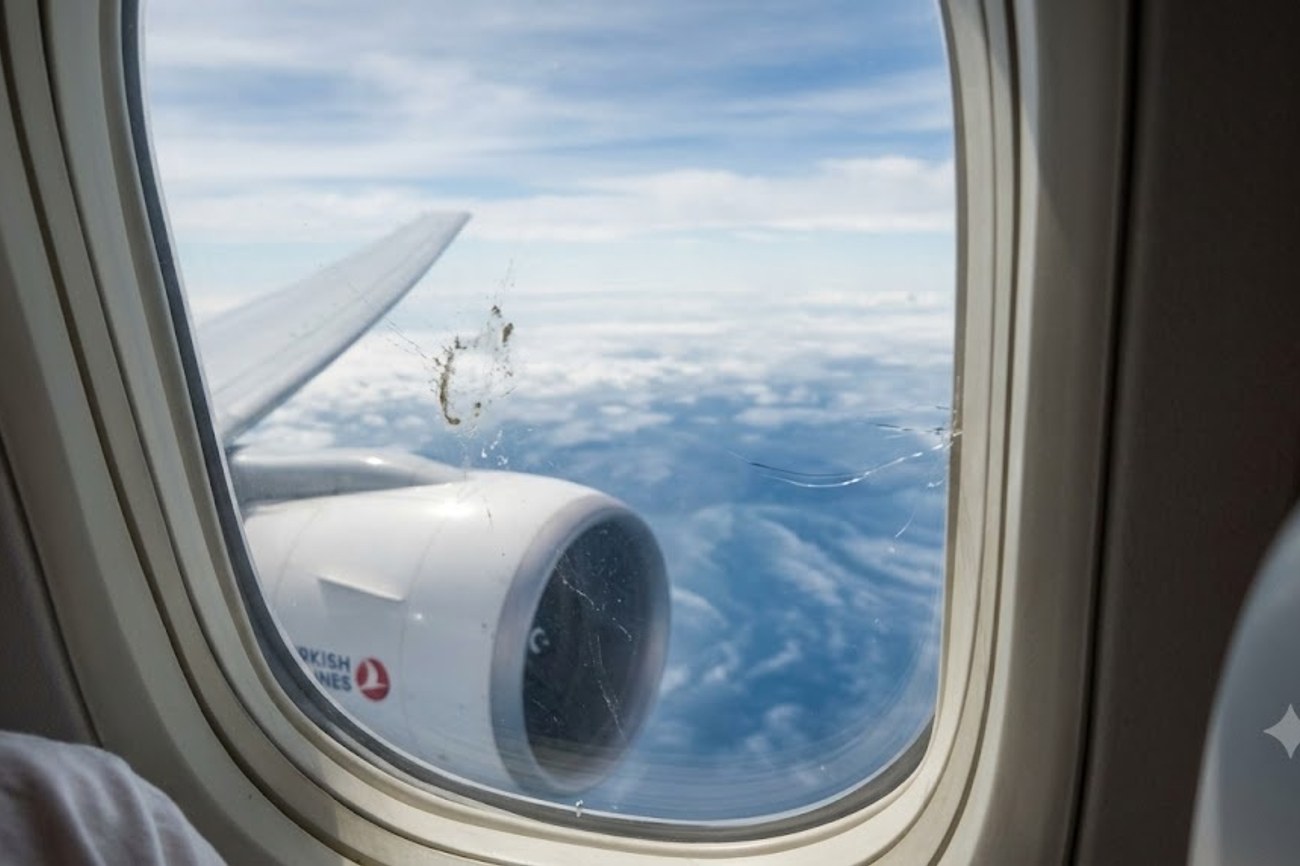
Image generated by AI
A single report of a bird strike on 14 September 2026 has triggered a precautionary return to Istanbul for a Turkish Airlines flight bound for Algiers, highlighting the volatility of wildlife-related operational risks. While the event underscores the strict safety protocols governing the Türkiye–Algeria corridor, the absence of official flight numbers, aircraft registrations, or passenger counts from the carrier suggests a highly localized disruption rather than a systemic failure.
The Mechanics of a Precautionary Return
The reported incident involves a Turkish Airlines service that departed Istanbul and subsequently encountered wildlife during its ascent or cruise toward the Algerian capital. In aviation, a "turn back" is a calculated operational decision. When a flight crew suspects a bird strike—where avian wildlife is ingested into an engine or impacts the fuselage—they must evaluate real-time telemetry and engine performance. If any anomaly is detected, the safest course of action is a return to the point of origin or a diversion to the nearest suitable airfield for a comprehensive technical inspection.
For this specific journey, the decision to return to Istanbul indicates that the crew prioritized a ground-based engineering review over continuing to Algiers. Under the regulatory framework of the International Civil Aviation Organization (ICAO), such maneuvers are standard safety mitigations. The lack of reported injuries or airport closures suggests that the event was handled as a precautionary measure rather than a catastrophic emergency.
Operational Data and Risk Distribution
Because official manifests and flight logs were not publicly indexed by the reporting deadline, the impact of this event must be analyzed through the lens of probability and regulatory requirements. The following breakdown categorizes the dimensions of the disruption based on available evidence:
| Analysis Component | Weight of Impact | Verified Status | Traveler Implication | Primary Authority |
|---|---|---|---|---|
| Aviation Safety | 45% | Wildlife hazards are known operational risks | Justifies precautionary returns/inspections | ICAO |
| Incident Verification | 25% | No official flight/tail number confirmed | High risk of misinformation in unofficial channels | Turkish Airlines |
| Passenger Disruption | 20% | Turkish passenger protection laws apply | Rights to care, refunds, or rerouting | Turkish Civil Aviation |
| Tourism Impact | 7% | No route-wide suspension confirmed | Isolated to a single service | National Transport Channels |
| Immigration/Visa | 3% | No changes to border protocols | Standard entry requirements remain | National Immigration |
The data indicates that while the safety implications are the primary driver (45%), the actual impact on the broader Türkiye–Algeria tourism market is negligible (7%). This suggests that the incident is a "point failure"—a single event affecting one aircraft—rather than a "system failure" that would require the suspension of the route.
Expert Analysis: The Hidden Cost of Wildlife Encounters
For travelers booking routes between Istanbul and North Africa, the direct consequence of this incident is not the bird strike itself, but the potential for "cascading delays." When a wide-body aircraft returns to base unexpectedly, it disrupts the rotation of that tail number for subsequent flights. If the aircraft requires engine component replacement, other scheduled departures may be delayed or swapped for smaller aircraft, leading to seat downgrades or cancellations.
The pricing pressure this creates is subtle. Frequent wildlife strikes at specific hubs force airports to invest more heavily in Bird Strike Avoidance (BSA) programs. While these costs are absorbed by airport operators, they eventually manifest in higher landing fees, which airlines pass on to the consumer through fuel and airport surcharges.
Furthermore, the disparity between the reported event and the lack of official confirmation highlights a growing trend in aviation: the gap between real-time passenger reporting and official corporate communication. For the modern nomad, this means that "social media intelligence" often precedes official airline notifications by several hours. However, relying on unverified reports can lead to unnecessary panic. The professional traveler must cross-reference these reports with data from FlightAware to confirm aircraft diversions before altering their itinerary.
The broader statistical context provided by global aviation data reveals the scale of this challenge. Between 2022 and 2024, 214,734 wildlife reports were filed across 156 states. When including retrospective data from 2016 to 2021, an additional 40,579 submissions were recorded. This volume of data proves that bird strikes are not "accidents" in the traditional sense, but predictable operational hazards. The fact that a Turkish Airlines flight returned to Istanbul is a sign that the safety system worked exactly as intended; the risk was identified, and the aircraft was removed from the sky before a potential failure occurred.
Key Takeaways
- Safety Priority: The return to Istanbul on 14 September 2026 was a precautionary response to a reported bird strike, not a confirmed aviation disaster.
- Limited Scope: There is no evidence of route suspensions, airport closures in Algiers, or systemic disruptions to Türkiye–Algeria travel.
- Passenger Rights: Travelers affected by such disruptions are protected under Turkish civil aviation regulations, which mandate assistance, rerouting, or refunds for qualifying delays.
- Global Pattern: With over 214,000 wildlife reports filed globally between 2022 and 2024, bird strikes remain a significant but managed risk in international aviation.
- Verification Gap: Official confirmation of flight numbers and passenger counts was unavailable, emphasizing the need for travelers to use official airline channels for itinerary updates.
FAQ: Turkish Airlines Algiers Incident 2026
Was the Algiers flight cancelled or diverted? The flight reportedly turned back to Istanbul shortly after departure due to a bird strike. It did not reach Algiers, but there is no evidence that the entire route was cancelled for other passengers.
Are there any travel warnings for flights to Algeria? No. This was an isolated incident involving a single aircraft. National aviation regulators have not issued any warnings or restrictions for travel between Türkiye and Algeria.
What happens to my ticket if my flight turns back due to a bird strike? Under Turkish aviation rules, you are entitled to care (meals/communication) and rerouting to your destination at the earliest opportunity, or a full refund if the delay becomes excessive.
How common are bird strikes on long-haul flights? They are relatively common, as evidenced by 214,734 reports globally from 2022-2024. Most are minor, but any suspected engine ingestion requires a mandatory ground inspection for safety.
In the high-stakes environment of aviation, the most successful safety outcome is often the one that results in a boring, unconfirmed return to the gate.
Tags: Turkish Airlines, Algiers, Istanbul, Bird Strike 2026, Aviation Safety, Türkiye-Algeria Route
Related Travel Guides
- Spain Tourism Suffers A Fresh Blow As Around 30% Diesel Cost Rise Hits Travel Costs Across Popular Destinations
- National Weather Service Issues Urgent Dense Fog Advisories Across Tennessee Virginia and Kentucky Disrupting Interstate Highways and Regional Flights
- Uzbekistan Ministry of Internal Affairs Proposes Unprecedented State Bodyguard Services for Foreign Tourists as Russian Arrivals Surge 30 Percent
Disclaimer
This article is for informational and educational purposes only. It does not constitute legal, financial, or professional advice. While we strive to provide accurate and up-to-date information, travel policies, regulations, and conditions change rapidly. Always verify information with official sources before making travel decisions. Nomad Lawyer makes no representations about the accuracy, reliability, completeness, or suitability of the information provided. Readers should consult qualified professionals for advice specific to their circumstances. The views expressed in this article are those of the author and do not necessarily reflect the views of Nomad Lawyer.
Kunal K Choudhary
Co-Founder & Contributor
A passionate traveller and tech enthusiast. Kunal contributes to the vision and growth of Nomad Lawyer, bringing fresh perspectives and driving the community forward.
Learn more about our team →