
Spain Tourism Suffers A Fresh Blow As Around 30% Diesel Cost Rise Hits Travel Costs Across Popular Destinations
Spain Tourism Suffers A Fresh Blow As Around 30% Diesel Cost Rise Hits Travel Costs Across Popular Destinations

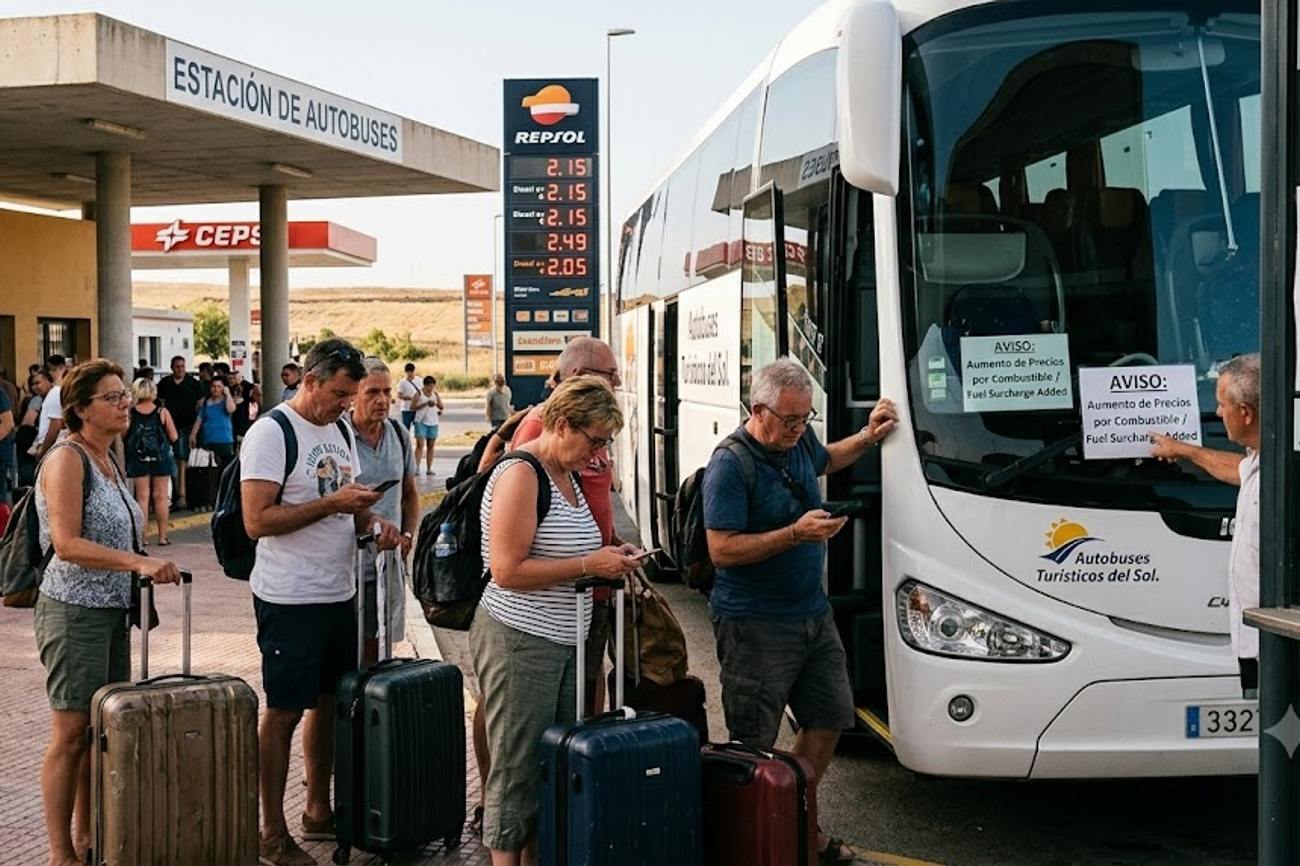
Image generated by AI
[Madrid, September 14, 2026] — Spain's tourism sector is facing a severe economic shock as diesel prices surge by approximately 30%, triggering a ripple effect of increased operational costs across the nation's transport infrastructure.
The price hike is placing immediate financial strain on transport providers who facilitate the movement of millions of international visitors between airports, hotels, and major cultural landmarks. Because Spain remains one of the world's premier travel destinations, the reliance on road-based logistics makes the industry hypersensitive to fuel volatility. This spike arrives while businesses are already struggling with rising labor costs, insurance premiums, and general inflation.
Fuel Volatility and Operational Strain
The immediate cause of the crisis is a sharp 30% increase in diesel costs, which serves as the primary energy source for the vast majority of Spain's tourist coach and shuttle fleets. For companies operating long-haul routes or high-frequency airport transfers, fuel represents a non-negotiable overhead that cannot be easily mitigated.
Transportation firms are now forced to choose between absorbing these costs—which slashes profit margins—or passing them directly to the consumer through surcharges. This volatility is particularly damaging for operators who have already committed to fixed-price contracts for the current season, leaving them to shoulder the losses.
Markets and Routes Under Pressure
The impact is distributed unevenly across the country, with the most significant pressure falling on high-volume transit corridors and isolated geographic regions.
| Affected Sector | Primary Impact Points | Risk Level |
|---|---|---|
| Airport Transfers | Madrid, Barcelona, Málaga, Palma de Mallorca, Tenerife, Gran Canaria | Critical |
| Island Tourism | Balearic Islands, Canary Islands (inter-hotel and excursion transport) | High |
| Coach Tours | Regional sightseeing, cruise excursions, and group holiday circuits | High |
| Rental Markets | Independent road-trippers and self-drive coastal tours | Moderate |
| Aviation | All international flights entering Spanish airspace | Moderate/High |
Specific gateways, such as Málaga Airport, are seeing increased costs for transfers to the Costa del Sol resorts. Similarly, the logistical chains connecting Palma Airport to Mallorca's interior and the airports in Tenerife and Gran Canaria are experiencing higher per-trip expenses due to the distance between arrival hubs and coastal lodging.
What This Means for Travelers
For the average tourist, this corporate cost surge translates into several tangible changes in the travel experience:
- Hidden Surcharges: Expect to see "fuel recovery fees" or "energy supplements" added to the final bill of airport shuttles and private transfers.
- Package Price Hikes: Tour operators are likely to raise the base price of all-inclusive packages to compensate for the increased cost of coach transport.
- Reduced Itinerary Range: Some guided tours may shorten their routes or remove remote destinations to conserve fuel, potentially limiting the scope of sightseeing excursions.
- Higher Rental Costs: While rental car base rates may remain steady, the actual cost of exploring the Spanish countryside via diesel-powered vehicles will rise significantly.
- Flight Price Volatility: As global oil prices climb, airlines may implement fuel surcharges on tickets to Spain, increasing the total cost of entry into the country.
The Island Vulnerability and Long-term Outlook
The Balearic and Canary Islands are the most exposed segments of the Spanish market. Unlike mainland cities where rail or urban transit may provide alternatives, island tourism is almost entirely dependent on road transport for moving visitors between cruise terminals, hotels, and rural attractions.
Industry analysts suggest that if diesel prices remain at this elevated level, Spain may see a shift in consumer behavior. Independent travelers may reduce the distance of their road trips, and budget-conscious tourists might opt for destinations with lower internal transport costs.
Furthermore, this crisis is accelerating the conversation around fleet electrification. While the immediate cost of transitioning to electric buses is high, the current diesel volatility makes the long-term investment in sustainable transport more attractive to the Spanish Ministry of Transport. In the short term, however, the industry remains tethered to fossil fuels, leaving it vulnerable to the whims of the global oil market.
FAQ: Spain Travel Costs 2026
Will my pre-paid airport transfer price increase? Most established companies honor pre-paid bookings, but some may introduce a mandatory fuel surcharge at the time of pickup. Check your booking terms for "variable fuel fees."
Are rental car prices going up? Rental base rates are generally stable, but the cost to refill the tank will be roughly 30% higher than in previous periods. Consider renting hybrid or electric vehicles to avoid diesel volatility.
Will this affect flight tickets to Spain? Yes. Aviation fuel is closely linked to global oil prices. If diesel and jet fuel costs remain high, airlines are likely to increase ticket prices or add fuel surcharges.
Which regions are most affected by these costs? The Canary Islands, Balearic Islands, and the Costa del Sol are the most impacted due to their heavy reliance on long-distance road transfers and limited public transit alternatives.
Spain's tourism engine is idling as fuel costs threaten to outpace visitor spending.
#SpainTourism2026 #DieselPriceHike #SpanishTransport #CanaryIslandsTravel #BalearicIslands #AENA
Related Travel Guides
- National Weather Service Issues Urgent Dense Fog Advisories Across Tennessee Virginia and Kentucky Disrupting Interstate Highways and Regional Flights
- Uzbekistan Ministry of Internal Affairs Proposes Unprecedented State Bodyguard Services for Foreign Tourists as Russian Arrivals Surge 30 Percent
- Met Office Issues UK Travel Alert as 25C Late Summer Heat Surge Hits 17 English Destinations on September 14
Disclaimer
This article is for informational and educational purposes only. It does not constitute legal, financial, or professional advice. While we strive to provide accurate and up-to-date information, travel policies, regulations, and conditions change rapidly. Always verify information with official sources before making travel decisions. Nomad Lawyer makes no representations about the accuracy, reliability, completeness, or suitability of the information provided. Readers should consult qualified professionals for advice specific to their circumstances. The views expressed in this article are those of the author and do not necessarily reflect the views of Nomad Lawyer.
Preeti Gunjan
Contributor & Community Manager
A passionate traveller and community builder. Preeti helps grow the Nomad Lawyer community, fostering engagement and bringing the reader experience to life.
Learn more about our team →