Qatar Joins PATA and Doha Named GCC Tourism Capital 2026: Logistics Guide for Asia-Pacific Travelers

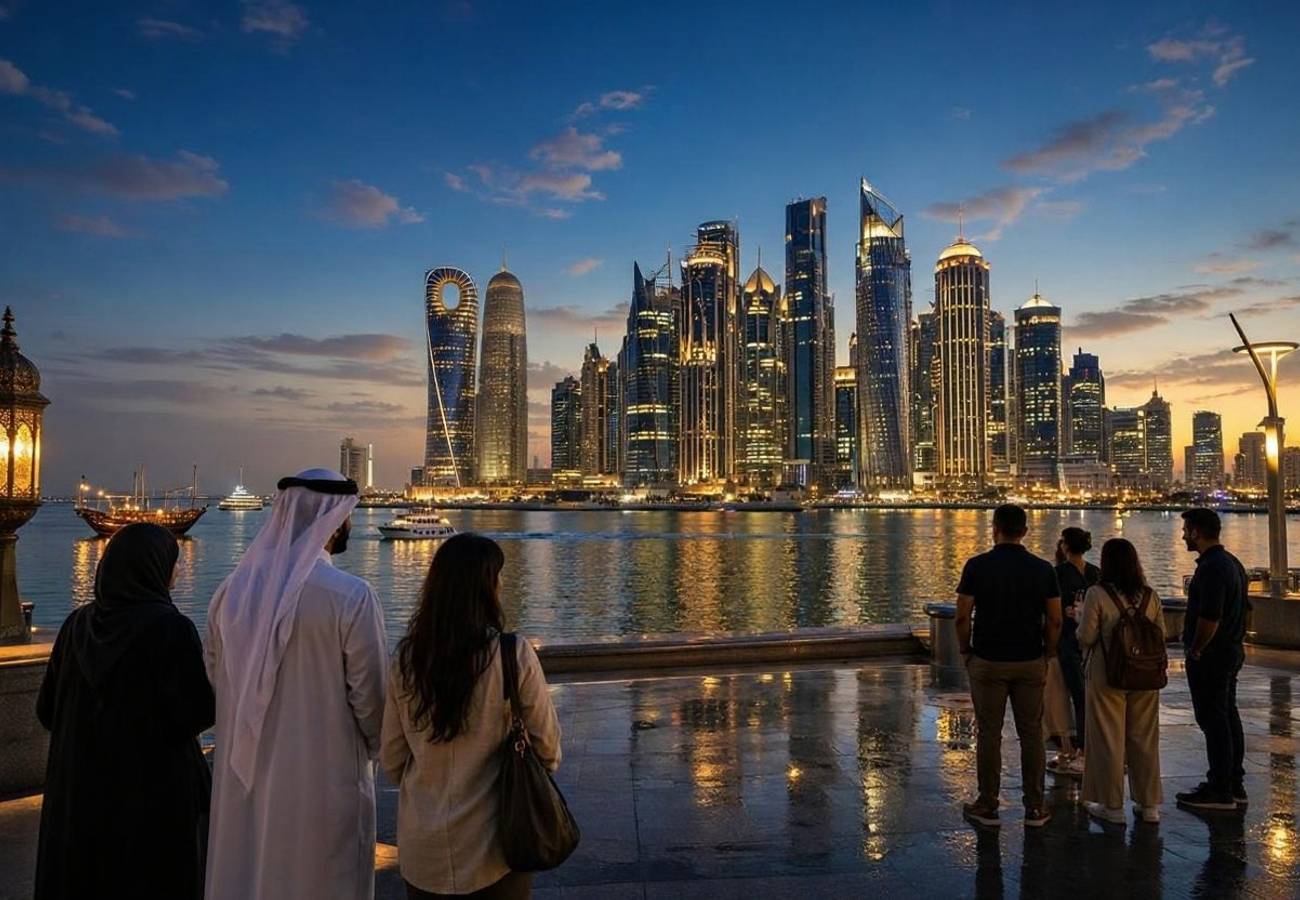
Image generated by AI
Planning a stopover or a full visit to Doha in 2026? With the city officially designated as the GCC Tourism Capital for 2026 and Qatar Tourism joining the Pacific Asia Travel Association (PATA), you can expect a significant surge in streamlined connectivity and new travel packages specifically for the Asia-Pacific market.
Qatar's Strategic Pivot to Asia-Pacific Tourism
On November 3, 2026, during the World Travel Market (WTM) in London, Qatar Tourism formally finalized its membership with the Pacific Asia Travel Association (PATA). This is not merely a diplomatic gesture; it is a logistics move designed to integrate Qatar more deeply into the travel ecosystems of Asia and the Pacific. By joining PATA, Qatar gains direct access to a massive network of airlines, hospitality groups, and destination management companies that dictate travel flow in the East.
For the traveler, this means more coordinated flight-and-hotel bundles, better-aligned transit visas, and an increase in tailored tourism products catering to Asian markets. This partnership coincides with Doha's appointment as the GCC Tourism Capital for 2026, a title that recognizes the city's massive investment in urban infrastructure and its ability to blend high-tech city living with traditional Gulf heritage.
Connectivity and Transit Hub Data
The backbone of this expansion is the synergy between the national carrier and the primary gateway. Most travelers entering the country will do so via Hamad International Airport (DOH), which serves as the primary node for these new PATA-driven initiatives.
| Route Focus | Primary Carrier | Gateway | Status | Key Advantage |
|---|---|---|---|---|
| Asia-Pacific $\rightarrow$ Doha | Qatar Airways | Hamad Intl (DOH) | Active | High-frequency long-haul |
| GCC Regional $\rightarrow$ Doha | Multiple | Hamad Intl (DOH) | Active | Short-haul shuttle connectivity |
| Doha $\rightarrow$ Global Network | Qatar Airways | Hamad Intl (DOH) | Active | Seamless intercontinental transfer |
Traveler Logistics Guide
If you are leveraging Doha as a transit point or a primary destination in 2026, follow these operational steps to optimize your trip.
1. Optimizing Your Stopover With Doha as the GCC Tourism Capital, the "Stopover Program" is more robust than ever. If you are flying Qatar Airways, check for stopover packages that include luxury hotel stays at significantly reduced rates. For those with layovers between 12 and 48 hours, these packages are the most cost-effective way to see the city.
2. Transit and Entry Requirements Depending on your nationality, you may be eligible for a visa-on-arrival or a visa-waiver. However, for the smoothest experience, apply for an e-visa through the official government portal before departure. If you are staying in the transit area of Hamad International Airport, no visa is required, but exiting to the city requires valid travel documentation.
3. Ground Transport Strategy Once you clear customs at Hamad International, avoid the long taxi queues during peak hours. Use the Doha Metro—one of the most modern systems in the world—to reach the city center. The Red Line connects the airport directly to the heart of Doha, including major museums and the waterfront.
4. Baggage and Connection Logistics If your flights are booked on a single ticket, your bags will be checked through to your final destination. However, if you are booking separate tickets to take advantage of stopover deals, you must clear customs, collect your bags, and re-check them for your next leg.
Regional Connectivity Impact
The designation of Doha as the GCC Tourism Capital for 2026 reshapes the travel map of the Middle East. By aligning with PATA, Qatar is positioning itself as the primary bridge between the Asia-Pacific region and the West. This reduces the reliance on traditional European hubs for East-West travel.
The city has diversified its appeal beyond luxury shopping. The integration of sports tourism—leveraging the infrastructure from previous global events—and a heavy investment in cultural districts means that 2026 will see a shift toward "experience-based" travel. Visitors are no longer just stopping over; they are staying for 4-7 days to explore museums, heritage sites, and business conventions.
FAQ: Doha Transit & Tourism 2026
Do I need a transit visa to visit Doha? If you remain in the airport transit area, no visa is needed. To enter the city for a stopover, you will need a visa, though many nationalities qualify for visa-on-arrival or easy e-visa processing.
How long is a recommended stopover in Doha? For a basic city tour and a visit to the Souq Waqif, 24 hours is sufficient. To explore the museums and the waterfront, a 48-to-72 hour stay is recommended.
Can I check my bags through to my final destination? Yes, provided your flights are on a single booking. If you have separate tickets, you must claim your luggage upon arrival in Doha and check it in again for your departing flight.
What is the best way to get from the airport to the city? The Doha Metro Red Line is the fastest and most efficient method, avoiding city traffic and providing direct access to major tourist landmarks.
Prepare your documents and book your stopover early to experience Doha's peak year as the region's tourism capital.
Related Travel Guides
This article is for informational purposes. Flight routes, passenger regulations, visa rules, and transit advisories are subject to change by airlines and aviation authorities. Readers are advised to verify schedules and travel documentation with relevant carriers and border agencies before departure.
Related Stories

Qatar Inbound Tourism Climbs to 2.95 Million Visitors in 2026 Led by GCC Influx and Autumn Seasonal Surge

US November 2026 Tourism Trends: Festive Festivals and Passenger Rights for Holiday Travel