Lisbon and Porto Lead Portugal Cruise Revolution With Green Ports and Local Growth by 2027

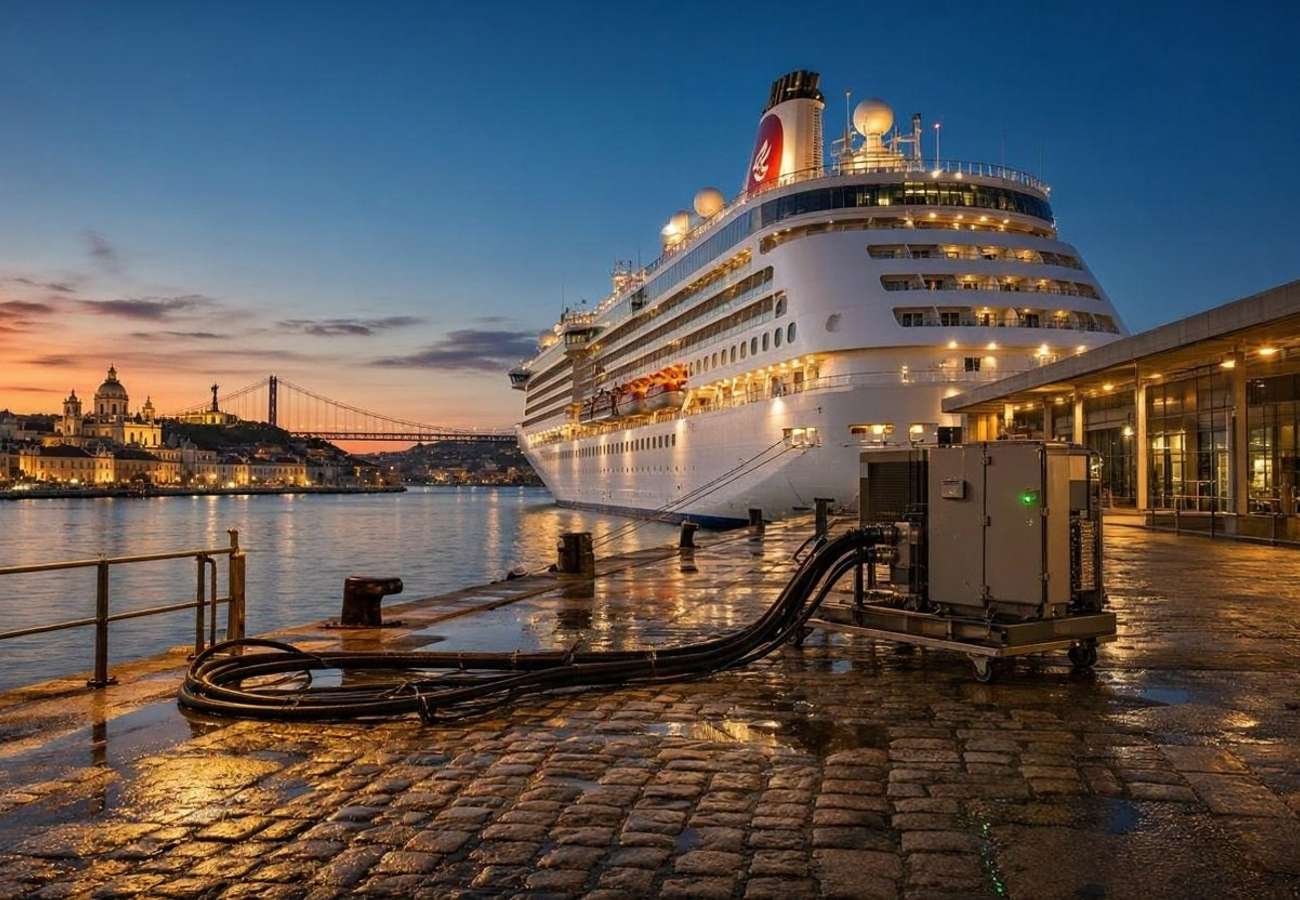
Image generated by AI
The Lisbon Cruise Port is transforming its terminals into "civic laboratories," where the Hidden Disabilities Sunflower programme and structured educational visits allow local residents to engage with the maritime industry rather than just endure it. This shift marks a departure from the traditional "fortress" mentality of mega-ports, turning the arrival of thousands of passengers into a community-led economic opportunity.
The Shift Toward Sustainable Maritime Gateways
Portugal is currently executing a strategic overhaul of its cruise infrastructure to ensure that the surge in arrivals does not erode the cultural fabric of its historic cities. By 2027, the focus has shifted from sheer volume to "value retention." In Lisbon, the primary maritime gateway, the priority is the aggressive reduction of carbon footprints through "cold ironing"—the provision of shore-side power that allows massive liners to shut down their engines while docked at the Rocha Conde de Óbidos and Santa Apolónia terminals.
To combat the friction caused by overtourism, municipal authorities are actively redirecting the flow of visitors. Instead of funneling every passenger into the already saturated alleys of Alfama and the Baixa district, new frameworks encourage exploration of emerging creative hubs. Areas such as Marvila and the LX Factory are becoming primary destinations, ensuring that independent artisans and neighborhood eateries capture the economic benefits of cruise tourism.
Diversifying the Northern Corridor: Porto and the Douro
In the north, the synergy between the deep-water Port of Leixões and the Douro River is creating a sophisticated intermodal transport web. Porto is no longer treating cruise arrivals as isolated events; instead, it is bridging the gap between coastal landings and the rural interior.
By 2027, the operational goal is a seamless transition from ship to shore. High-speed rail and express coach corridors now link Leixões directly to the UNESCO-listed Ribeira district and the wine cellars of Gaia. This prevents the local infrastructure from choking under the weight of tour buses while pushing visitor spending deeper into the countryside. Local supply-chain mandates now require cruise operators to source Douro wines and regional crafts exclusively from local producers, ensuring the "multiplier effect" reaches small-scale farmers and winemakers.
Expanding the Reach: Coimbra and Braga
The strategy extends beyond the coast, utilizing "excursion corridors" to bring high-value travelers to the heart of the country. Coimbra, famed for its UNESCO-listed University, is being positioned as a multi-night destination rather than a quick stopover. By integrating Coimbra into official shore excursions, the city is funding the preservation of medieval monuments through the spending of discerning travelers who frequent traditional Fado houses and boutique lodgings.
Further north, Braga serves as the spiritual anchor of the Minho region. By targeting premium segments interested in Roman archaeology at Bracara Augusta and sacred heritage, Braga avoids the pitfalls of low-yield mass tourism. The city is focusing on year-round programming to eliminate the seasonal peaks and troughs that typically plague the tourism industry.
Logistics and Operational Data
The following table outlines the strategic focus and primary hubs driving this maritime transition leading into 2027.
| Region/Hub | Primary Port/Gateway | Key Strategic Focus | Primary Target Destinations |
|---|---|---|---|
| Lisbon | Santa Apolónia / Rocha Conde de Óbidos | Carbon reduction (Cold Ironing) & Urban Dispersion | Marvila, LX Factory, Alfama |
| Porto | Port of Leixões / Douro River | Intermodal Connectivity & Local Sourcing | Ribeira, Gaia, Douro Vineyards |
| Central | Rail/Coach from Coast | High-Value Cultural Extensions | Coimbra University, Fado Houses |
| North | Rail/Coach from Leixões | Premium Niche & Seasonality Reduction | Braga, Bracara Augusta, Minho |
Visitor Insider Tips
- Escape the Crowds: If you are docking in Lisbon, skip the immediate Baixa rush. Take a short ride to Marvila to see the city's industrial-chic transformation and local breweries.
- Porto Logistics: Use the express coach from Leixões to the city center rather than relying on cruise-line buses; it often provides more flexibility to explore the Gaia riverside on your own terms.
- Cultural Etiquette: When visiting the University of Coimbra or the sanctuaries of Braga, remember that these are active academic and religious sites. Dress modestly and maintain low noise levels.
- Dining Hack: In the Douro region, look for "Quintas" (wine estates) that are not on the primary cruise brochures; these often offer more authentic tasting experiences and direct interaction with the growers.
Cultural and Environmental Context
The "revolution" in Portuguese cruise travel is a response to a growing tension between economic necessity and residential quality of life. For years, the concentration of tourists in historic centers led to "touristification," where local shops were replaced by souvenir stalls. The current ET2027 strategy is a deliberate attempt to decentralize this impact. By pushing visitors toward the Minho region and the interior of the Douro, Portugal is treating tourism as a tool for rural revitalization rather than just urban profit. Environmentally, the push for shore-side power is a critical step in protecting the Atlantic coastline and the air quality of the densely populated riverfronts.
FAQ: Visiting Portugal via Cruise 2027
What is the best time to visit the Douro and Minho regions? While Braga is promoting year-round visits, the late spring (May-June) and early autumn (September-October) offer the best weather for vineyard tours and outdoor archaeology sites.
How do I get from the Port of Leixões to Porto city center? The most efficient methods are the dedicated express coach routes or high-speed rail links, which are designed to bypass city traffic and deliver you directly to the Ribeira district.
Is Lisbon's cruise port accessible for people with disabilities? Yes, the port has integrated the Hidden Disabilities Sunflower programme to ensure seamless processing and support for passengers with non-visible disabilities.
Are these inland excursions (Coimbra/Braga) safe for solo travelers? Absolutely. These corridors are highly coordinated via official rail and coach partners, and the cities are renowned for their safety and welcoming atmosphere.
The future of the Atlantic coast isn't just about bigger ships, but about smaller footprints and deeper connections.
Related Travel Guides
This article is for informational purposes. Flight routes, passenger regulations, visa rules, and transit advisories are subject to change by airlines and aviation authorities. Readers are advised to verify schedules and travel documentation with relevant carriers and border agencies before departure.
Related Stories
Villa Vie Residences MV Odyssey Suspends World Voyage in Cambodia as Fuel Costs Surge 2026
European Waterways Expands 2027 Luxury Barge Cruises Across Europe: New Brittany Route, Castle Falconry, and 10% Early Booking Savings