Turkish Airlines Seals Landmark 150 Boeing 737 MAX Order: Fleet Expansion, Istanbul Megahub Growth, and Stopover Guide 2026

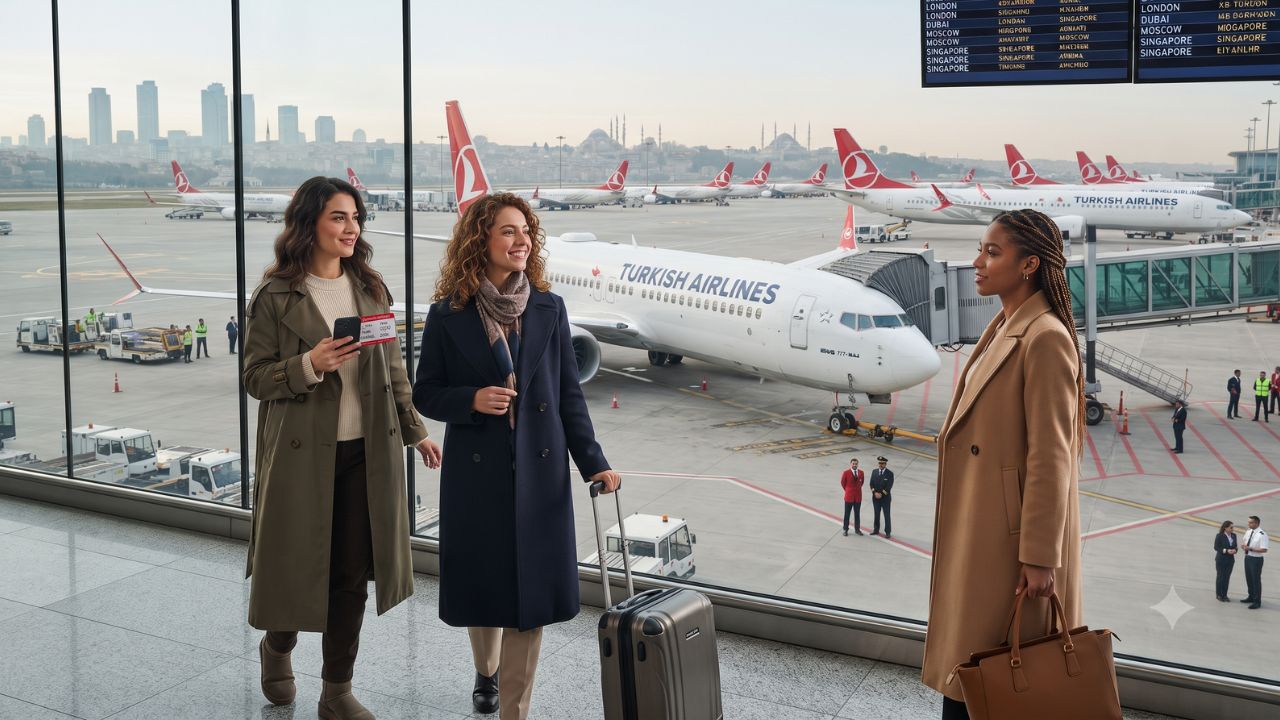
Flying to more countries than any other commercial carrier on Earth, Turkish Airlines has locked in its largest-ever single-aisle Boeing commitment with an agreement to acquire up to 150 Boeing 737 MAX aircraft. Finalized in the presence of His Excellency Recep Tayyip Erdoğan, President of the Republic of Türkiye, the landmark agreement includes a firm order for 100 Boeing 737-8 narrowbody jets alongside purchase options for 50 additional 737 MAX aircraft. The contract incorporates flexible substitution rights for the larger Boeing 737-10 variant, empowering Turkish Airlines to scale seat capacity dynamically across high-density European, Middle Eastern, Central Asian, and African routes departing from its colossal Istanbul Airport (IST) hub.
Fleet Scaling and Aerospace Industrial Integration
The multi-billion-dollar acquisition deepens an established collaboration between the Turkish flag carrier and Boeing Commercial Airplanes. As Turkish Airlines Chairman of the Board and Executive Committee Prof. Murat Şeker noted, the new single-aisle fleet delivers the operational versatility required to feed passengers from secondary regional airports into Istanbul's intercontinental long-haul network. The new Boeing 737-8 aircraft provide approximately 20% improvements in fuel efficiency and carbon emissions reduction compared to older generation airframes, lowering operating expenses while supporting sustainable growth.
The purchase expands an already massive operational footprint. Turkish Airlines and its low-cost subsidiary, AJet, currently operate a combined Boeing fleet of more than 200 aircraft—spanning 737 Next Generation, 737 MAX, 777-300ER, 777 Freighter, and 787 Dreamliner aircraft. The narrowbody order follows the carrier’s major 2025 commitment for 75 Boeing 787 Dreamliners, establishing a balanced dual-fleet framework designed to handle anticipated passenger volume surges through the 2030s.
Beyond aircraft deliveries, Turkish Airlines and Boeing executed a strategic Industrial Participation Memorandum of Understanding (MoU). Commended by Boeing Commercial Airplanes President and CEO Stephanie Pope, the framework focuses on three pillars: advanced aerospace skills training, value creation across local manufacturing supply chains, and technology transfer for Turkish maintenance, repair, and overhaul (MRO) facilities.
Istanbul Airport as the World's Crossroads
Operating from its state-of-the-art mega-hub on the Black Sea coast, Turkish Airlines leverages Istanbul’s unique geography straddling Europe and Asia. More than 60 national capitals sit within a four-hour flight radius of Istanbul Airport, making narrowbody aircraft like the Boeing 737-8 the ideal workhorse for regional point-to-point and feeder operations.
For international transit travelers, the carrier’s growth translates into generous stopover benefits. Passengers connecting through Istanbul with layovers between 6 and 24 hours can take advantage of the complimentary "Touristanbul" service, which provides free guided sightseeing excursions covering iconic Byzantine and Ottoman heritage sites. For travelers with layovers exceeding 20 hours, the airline’s "Stopover in Istanbul" program provides free luxury hotel accommodations in historic quarters, encouraging flyers to turn a simple airport transfer into an immersive city break.
What Sets Istanbul’s Transcontinental Gateway Apart
Few cities in the world match Istanbul’s layers of imperial history, architectural grandeur, and vibrant street life promoted through GoTürkiye. Arriving in the historic peninsula puts travelers in the shadow of the UNESCO-inscribed Historic Areas of Istanbul, encompassing the 6th-century dome of Hagia Sophia Grand Mosque, the delicate blue tiles of the Sultan Ahmed (Blue) Mosque, and the sprawling courtyards of Topkapi Palace.
Beneath the streets, the 1,500-year-old Basilica Cistern features subterranean marble columns reflected in shallow waters, while the Grand Bazaar houses over 4,000 shops along 61 covered streets selling hand-woven Turkish carpets, hammered copperware, and fragrant spices. Crossing the Bosphorus Strait on a public municipal ferry connects Europe with the lively culinary alleys of Kadıköy on the Asian shore, where fishmongers, meze taverns, and specialty coffee roasteries thrive side by side.
Visitor Insider Tips: Navigating Istanbul and Airport Transfers
- Take the M11 Metro Line for 30-Minute City Transit: Avoid expressway traffic on the O-7 highway by boarding the automated M11 Istanbul Airport Metro line directly beneath the terminal. The train connects swiftly to Gayrettepe and Kağıthane stations, where you can transfer directly to the M2 line for Taksim Square and the historic Old City.
- Book Complimentary Touristanbul Excursions at the Hotel Desk: If your international connection at IST exceeds six hours, head to the Turkish Airlines Hotel Desk in the arrivals hall at least 30 minutes before tour departure times. Tours operate daily, including free transportation, museum entry tickets, and traditional Turkish lunches.
- Explore Kadıköy Market on the Asian Shore via Public Ferry: Take the municipal Şehir Hatları ferry from Eminönü or Karaköy across to Kadıköy. Walk through the open-air food market along Güneşlibahçe Street to sample freshly fried hamsi (Black Sea anchovies), stuffed mussels (midye dolma), and pistachio-layered baklava.
- Purchase an Istanbulkart for All Public Transport: Buy a rechargeable Istanbulkart at automated yellow kiosks at the airport metro station. A single card can be shared among multiple travelers and works across all metro trains, vintage trams, funiculars, public ferries, and city buses.
- Time Mosque Visits Outside Daily Prayer Windows: When visiting working religious sites such as the Blue Mosque or Süleymaniye Mosque, plan your entry between scheduled prayer times. Dress conservatively with shoulders and knees covered, and remove footwear at the entrance. Women are provided with complimentary headscarves at visitor kiosks.
Cultural and Environmental Context: Sustainable Aviation and Heritage Stewardship
Rapid aviation expansion in Türkiye operates in conjunction with strict environmental and architectural preservation mandates. The deployment of Boeing 737-8 aircraft—which feature advanced CFM LEAP-1B engines and aerodynamic winglets—cuts aircraft noise footprints by 50% and reduces carbon emissions by 20%, supporting national climate adaptation targets.
On the ground, Istanbul Airport operates zero-waste recycling workflows, solar energy capture facilities, and rainwater harvesting infrastructure across its 76-million-square-meter footprint. In the historical core, tourism revenues directly support seismic retrofitting and restoration projects on delicate Ottoman-era timber houses and Byzantine stone walls. By patronizing neighborhood artisans, taking electric public ferries, and choosing fuel-efficient flight options, international travelers directly contribute to preserving Istanbul’s living heritage for future generations.
FAQ: Flying Turkish Airlines and Transiting Istanbul 2026
What are the details of Turkish Airlines' new Boeing 737 MAX order?
The agreement includes a firm order for 100 Boeing 737-8 aircraft with purchase options for 50 additional jets, including substitution rights for the larger Boeing 737-10 model.
How does the Turkish Airlines free stopover program work?
Passengers with international connections over 20 hours can apply for free hotel stays in Istanbul (one night for Economy, two nights for Business Class) through Turkish Airlines' Stopover in Istanbul program.
What is the Touristanbul transit service?
Touristanbul is a complimentary guided city tour offered to Turkish Airlines international transit passengers with layovers between 6 and 24 hours at Istanbul Airport, covering major sights and meals.
How do I travel between Istanbul Airport (IST) and Sultanahmet?
The M11 Metro connects the airport to Kağıthane and Gayrettepe for easy transfers to the M2 line, or travelers can board direct Havaist airport luxury express buses to Sultanahmet and Taksim.
From high-efficiency narrowbody flights across four continents to sunset calls to prayer echoing over the Bosphorus, Turkish Airlines' historic fleet expansion charts a soaring course across global skies.
Related Travel Guides
- Air Peace and Dutch Aviation Trainers Deploy Massive Workforce Shield to Neutralize African Travel Chaos and Prevent Severe Flight Disruptions: Latest Airline News
- Tata Group tells Air India to abandon expansion strategy for profitability focus
- Breaking Airline News: Terrifying Colombia Flight Cancellations Trigger Massive South American Paralyzation and Severe Travel Chaos
This article is for informational purposes. Flight routes, passenger regulations, visa rules, and transit advisories are subject to change by airlines and aviation authorities. Readers are advised to verify schedules and travel documentation with relevant carriers and border agencies before departure.
Related Stories
United and Delta Lead US Fleet Overhaul: 2026 Analysis of Fuel-Efficient Aircraft and Regional Shifts
Copa Airlines and UPS Collision at Miami International Airport: Passenger Rights and Transit Logistics 2026