United and Delta Lead US Fleet Overhaul: 2026 Analysis of Fuel-Efficient Aircraft and Regional Shifts

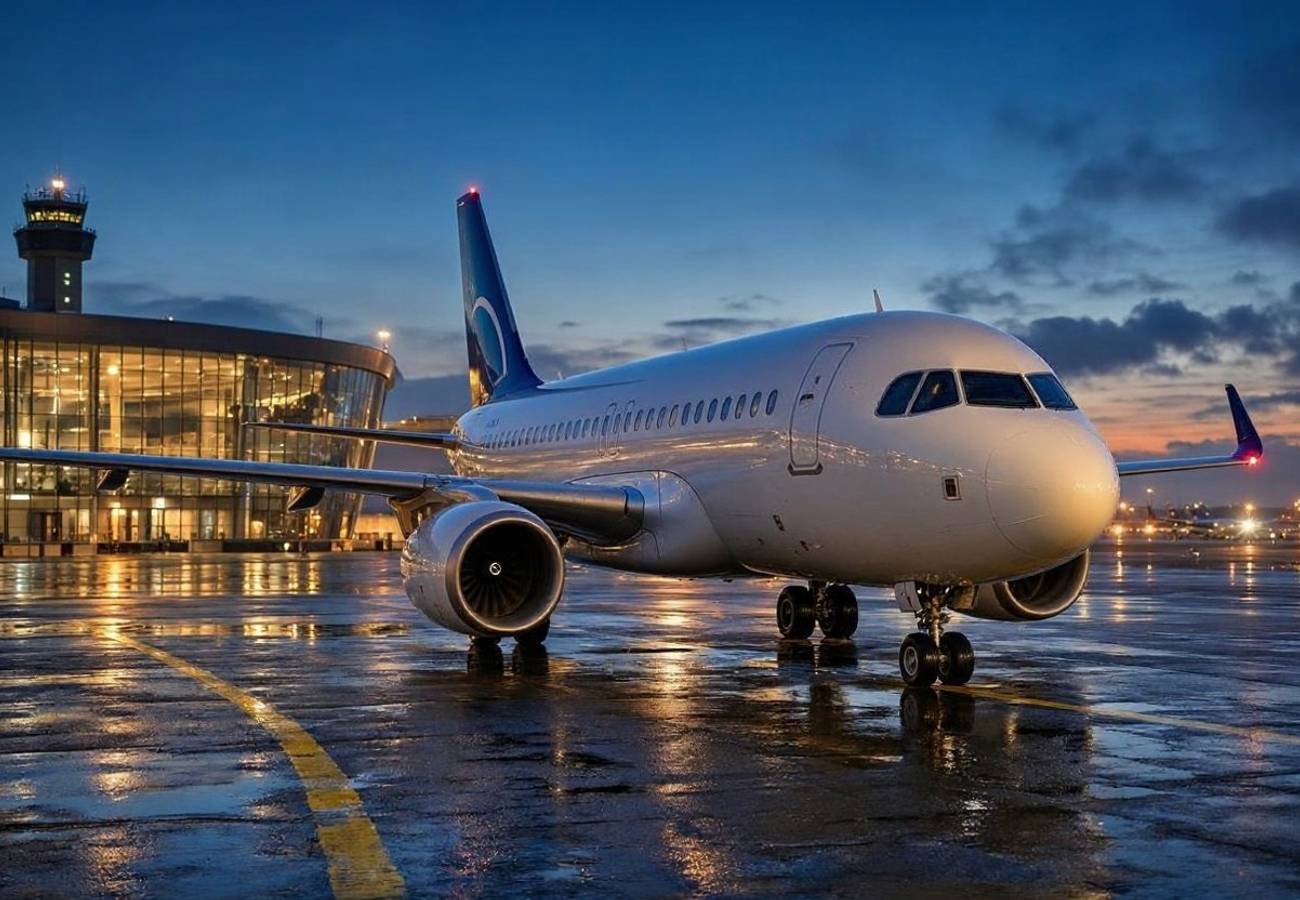
Image generated by AI
A 20% to 25% improvement in fuel efficiency offered by next-generation aircraft is driving a massive capital reallocation across the US aviation sector. This shift is not merely about environmental targets but is a calculated financial hedge against volatile fuel prices and rising maintenance costs for aging airframes. As carriers transition to the Boeing 737 MAX and Airbus A220 families, the industry is witnessing a structural decoupling: major hubs are becoming more efficient, while regional connectivity is being redesigned to avoid the "hub-and-spoke" bottleneck.
The Capital War for Fleet Modernization
The current investment cycle is defined by a race to replace legacy narrow-body jets with models that offer higher seat-mile efficiency. For the "Big Three"—United, Delta, and American—this is a survival mechanism to protect margins. Delta Air Lines, for instance, reported future aircraft purchase commitments totaling approximately $26.71 billion as of September 2026.
This spending is not aimed at expanding the total number of flights but at optimizing the cost per seat. By swapping older aircraft for the Boeing 737 MAX or Airbus A321neo, airlines can maintain existing schedules while drastically lowering their overhead.
2026 US Airline Fleet Investment and Strategy Matrix
The following data outlines the verified commitments and strategic directions of the primary US operators as of late 2026.
| US Airline | Primary Aircraft Investments | Verified Scale/Timeline (as of Sept 2026) | Regional Connectivity Strategy |
|---|---|---|---|
| United Airlines | B737 MAX 9/10, A321neo/XLR, B787 | 42 MAX 9, 167 MAX 10, 108 A321neo, 48 A321XLR | Hub-and-spoke via United Express |
| Delta Air Lines | A220-300, A321neo, B737 MAX 10 | 319 purchase commitments (53 A220-300, 83 A321neo) | Delta Connection feeder routes |
| American Airlines | E175, B737 MAX, A321 family, B787 | 365 forward deliveries (including 66 E175) | American Eagle community links |
| Alaska Airlines | B737 MAX, B787, E175 | 168 B737 and 12 B787 firm commitments | West Coast/Pacific NW via Horizon & SkyWest |
| Southwest | B737 MAX 8 & MAX 7 | 67 MAX deliveries / 60 retirements in 2026 | Point-to-point secondary airports |
| JetBlue | A220-300, A321neo | 33 A220 and 44 A321neo outstanding | East Coast & Leisure markets |
| Breeze Airways | A220-300 | 55 of 90 firm A220s delivered | Direct underserved city links (Non-hub) |
| Allegiant Air | B737 MAX 8-200 | 56 firm orders (22 delivered by Oct 2026) | Nonstop leisure/vacation routes |
| SkyWest | Embraer E175 | 69 E175 deliveries scheduled 2026+ | Contract flying for major carriers |
Expert Analysis: The Death of the Traditional Hub?
The data reveals a divergence in how airlines view regional travel. While United and American continue to lean on the hub-and-spoke model—using regional jets like the Embraer E175 to funnel passengers into massive centers—new entrants like Breeze Airways are utilizing the Airbus A220 to bypass hubs entirely.
For travelers booking routes in 2026, the direct consequence is a shift in accessibility. The A220's unique economics allow it to be profitable on "thin" routes that were previously only viable as connecting flights. When Breeze expands into cities like Tallahassee, Florida, or Birmingham, Alabama, it removes the "hub tax" (extra time and risk of delay) from the passenger experience.
However, the reliance on regional partners like SkyWest—which managed roughly 2,450 daily departures in September 2026—highlights a systemic vulnerability. Regional aviation is currently squeezed by pilot shortages and rising airport operating costs. If regional operators cannot sustain the E175 fleets, smaller communities may find themselves stranded, regardless of how many fuel-efficient wide-bodies the major carriers buy for their international routes. The pricing pressure created by this efficiency gap means that while long-haul tickets may stabilize, regional "feeder" flights could see price hikes to cover the rising cost of regional operation.
Key Takeaways
- Efficiency Over Expansion: Most 2026 fleet investments are replacements, not additions; airlines are prioritizing lower fuel burn over increasing flight frequency.
- The A220 Effect: The Airbus A220 is enabling a "point-to-point" revolution in underserved markets, reducing the need for passengers to transit through major hubs.
- Regional Fragility: Despite 69 new E175 deliveries for SkyWest, regional connectivity remains threatened by pilot availability and maintenance overhead.
- Heavy Capital Commitments: Delta's $26.71 billion commitment signals a long-term bet on narrow-body efficiency to offset operational volatility.
- West Coast Consolidation: Alaska Airlines' January 2026 order of 105 Boeing 737-10s and five B787s solidifies its dominance in the Pacific Northwest.
FAQ: US Aviation Fleet 2026
Will new fuel-efficient planes lead to cheaper tickets? Not necessarily. These aircraft reduce operating costs for airlines, but pricing is driven by demand. The efficiency gains are primarily used to protect profit margins and ensure route viability rather than lowering fares.
What is the difference between a hub-and-spoke and point-to-point model? Hub-and-spoke (United/American) funnels passengers from small cities to a central hub before their final destination. Point-to-point (Breeze/Allegiant) flies directly between smaller cities, bypassing the hub.
Why is the Embraer E175 so important for regional travel? The E175 is sized perfectly for airports that cannot support a full-sized Boeing 737 but have too many passengers for a small turboprop, making it the backbone of US regional connectivity.
Are airlines adding more flights in 2026? Generally, no. The strategy is "modernization," meaning they are replacing old, thirsty jets with new, efficient ones to fly the same number of routes more profitably.
The era of the massive hub is being challenged by the economics of the efficient narrow-body.
Related Travel Guides
This article is for informational purposes. Flight routes, passenger regulations, visa rules, and transit advisories are subject to change by airlines and aviation authorities. Readers are advised to verify schedules and travel documentation with relevant carriers and border agencies before departure.
Related Stories
American Airlines and US Carriers Face Fuel Price Shocks Ahead of Christmas 2026 Travel Season
Copa Airlines and UPS Collision at Miami International Airport: Passenger Rights and Transit Logistics 2026