Copa Airlines and UPS Collision at Miami International Airport: Passenger Rights and Transit Logistics 2026

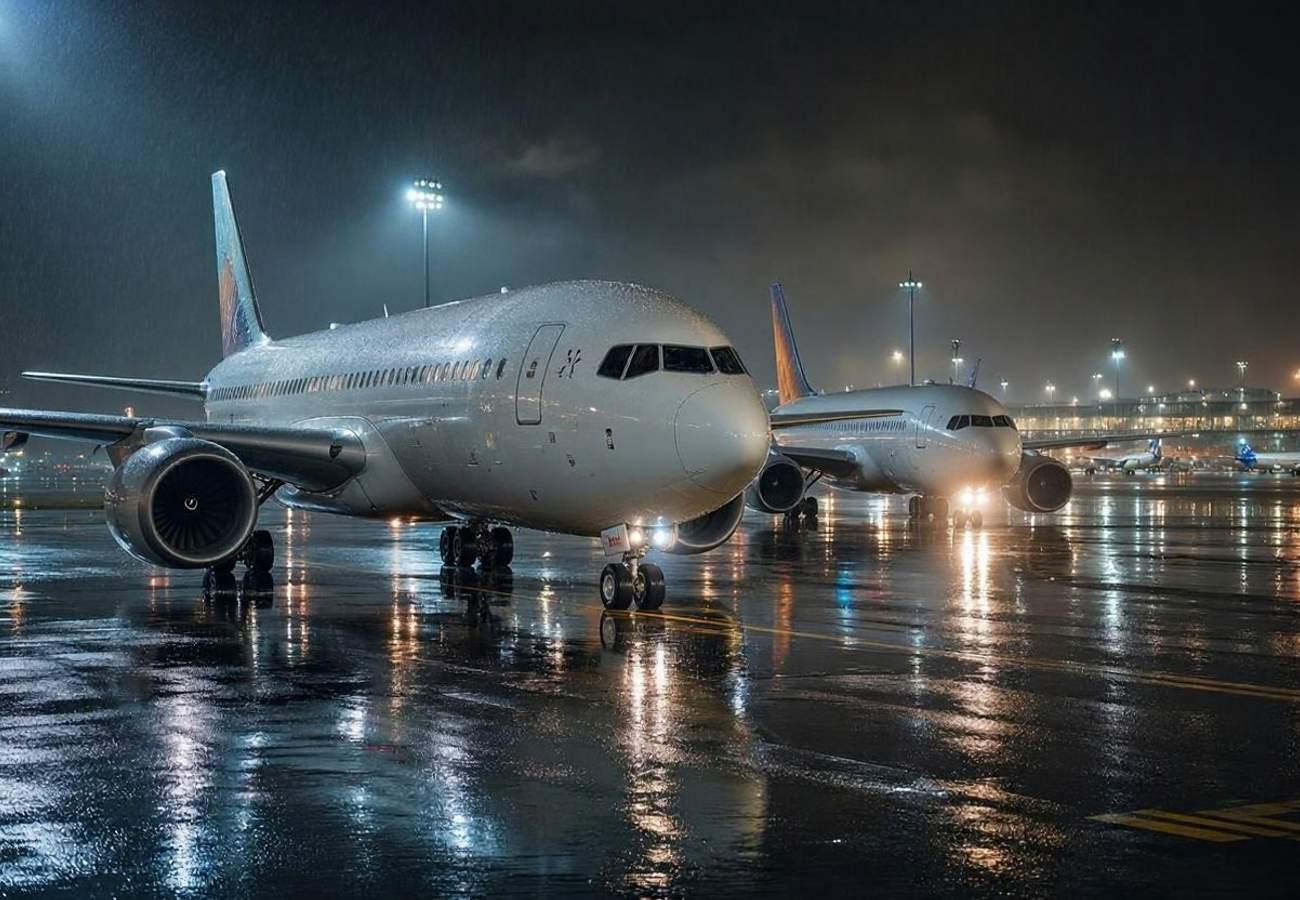
Image generated by AI
Were you or a travel companion on a flight arriving at Miami International Airport on November 14, 2026? A ground-level collision between a passenger jet and a cargo plane has raised serious questions about taxiway coordination and passenger safety during the final phase of transit.
The Miami International Airport Ground Collision
On November 14, 2026, at approximately 9:15 pm local time, a wingtip of a Copa Airlines Boeing 737 struck the nose of a UPS Boeing 767. The incident occurred at a taxiway intersection at Miami International Airport (MIA). The Copa aircraft had just completed an international arrival from Panama City, while the UPS aircraft was taxiing for a scheduled departure to Bogotá, Colombia.
The Federal Aviation Administration (FAA) has launched a formal investigation into the event. Preliminary data indicates that air traffic controllers had specifically instructed the UPS crew to give way to the Copa flight. Despite this directive, the aircraft made contact. While the collision occurred on the ground rather than in the air, the structural impact on the Boeing 737's wing and the Boeing 767's nose necessitates a rigorous safety review.
Route and Aircraft Specifications
The collision involved two distinct operations: a high-capacity international passenger service and a heavy-lift cargo transit.
| Route | Flight/Operator | Aircraft Model | Passenger/Crew Count | Status |
|---|---|---|---|---|
| Panama City $\rightarrow$ Miami | Copa Airlines (CM427) | Boeing 737-800 | 166 Pax / 6 Crew | Arrived / Collided |
| Miami $\rightarrow$ Bogotá | UPS Airlines | Boeing 767 | Cargo Only | Departing / Collided |
Traveler Logistics Guide
When a ground collision occurs after landing but before reaching the gate, the logistics of disembarkation and medical care change immediately. Here is the practical breakdown of what happens and what you need to do.
Immediate On-Board Protocol During the CM427 incident, 172 people remained on board during the impact. In such scenarios, passengers must remain seated until the aircraft reaches the terminal. Do not attempt to open exits or move toward the doors until the crew confirms the aircraft is stabilized and cleared by airport fire rescue.
Medical Assessment and Documentation Two passengers on the Copa flight sustained minor injuries and were treated on-site by Miami-Dade Fire Rescue. If you are involved in a ground incident:
- Request an immediate medical assessment, even for "minor" jolts.
- Obtain a copy of the incident report from the responding emergency services.
- Document the exact time of the impact and the aircraft's location relative to the terminal.
Baggage and Customs Procedures Because the Copa flight had already landed, the collision occurred during the "final ground movement phase." For international arrivals at Miami International Airport, this means your bags are already in the system. A ground collision typically does not delay baggage offloading unless the aircraft's structural integrity prevents it from reaching the gate.
Claiming Compensation Since this was a ground incident involving a failure to follow "give way" instructions, liability is a primary focus of the FAA. Passengers should retain all boarding passes and travel insurance documents to claim for emotional distress or physical injury, regardless of whether they were transported to a hospital.
Regional Connectivity Impact
This incident follows a period of instability in US airspace, occurring just one day after a nationwide aviation ground stop. For travelers using Miami as a hub for Central and South American connections, this highlights the risks associated with high-traffic taxiway intersections.
The coordination between passenger carriers like Copa and cargo giants like UPS is managed by air traffic control. When "give way" instructions are ignored or misunderstood, it creates a bottleneck that can affect the arrival slots of other international flights. Travelers should expect potential minor delays at MIA as investigators analyze taxiway layouts and controller-pilot communication logs.
FAQ: Miami Airport Collision 2026
Do I need a transit visa if my flight is delayed by a ground incident? Transit visa requirements depend on your nationality and whether you leave the sterile transit area. If a delay forces you to stay overnight in a hotel outside the terminal, you may need to clear customs and immigration.
How long was the delay for passengers on Flight CM427? While the exact duration wasn't specified, the aircraft eventually reached the terminal, and all 172 people on board disembarked. Ground collisions typically cause delays ranging from 60 to 180 minutes.
Can I check my bags through if my aircraft is grounded for investigation? If your aircraft is impounded by the FAA, the airline is responsible for offloading your luggage and transferring it to a replacement aircraft or holding it in a secure area until a new flight is scheduled.
Who is responsible for the medical costs of the injured passengers? Liability is determined by the FAA investigation. If the UPS crew failed to yield as instructed, UPS may be liable; however, initial medical care at the scene is typically handled by airport emergency services.
Safe transit requires more than just a flight plan; it requires vigilance on the ground.
Related Travel Guides
This article is for informational purposes. Flight routes, passenger regulations, visa rules, and transit advisories are subject to change by airlines and aviation authorities. Readers are advised to verify schedules and travel documentation with relevant carriers and border agencies before departure.
Related Stories
FAA Communications Failure Triggers Hundreds of Flight Cancellations at Harry Reid International Airport in 2026
United and Delta Lead US Fleet Overhaul: 2026 Analysis of Fuel-Efficient Aircraft and Regional Shifts