
TSA Issues Hilarious Ranch Dressing Advisory as FIFA World Cup Tourists Attempt Massive Luggage Hauls in 2026
The US Transportation Security Administration issues a tongue-in-cheek advisory after international FIFA World Cup visitors attempt to smuggle ranch dressing bottles home in record quantities.

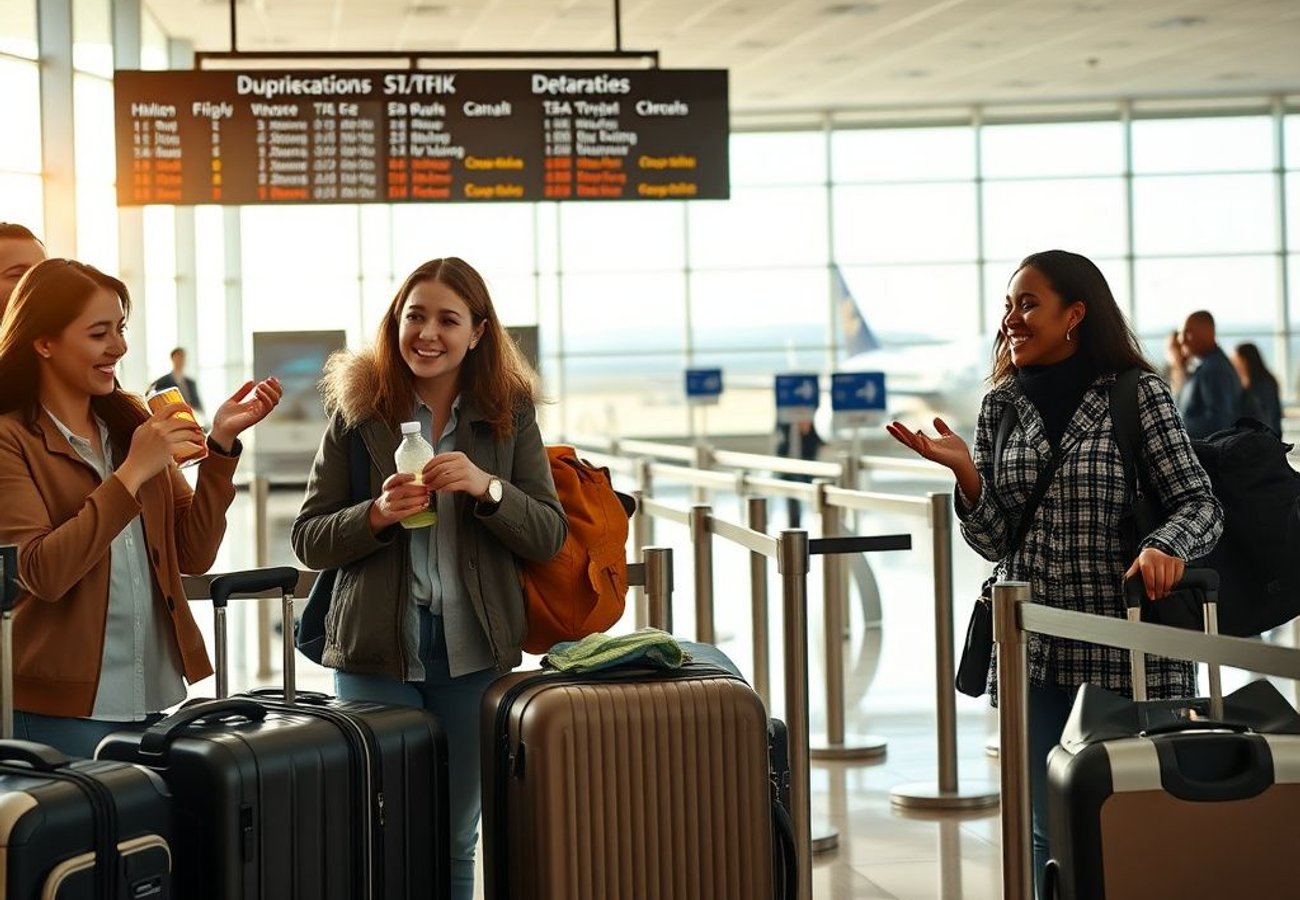
Image generated by AI
The Unexpected Condiment Crisis Taking Over US Airports
The 2026 FIFA World Cup is in full swing, and thousands of international football fans have descended on the United States to cheer for their home nations. But here's what's genuinely surprising: the tournament has spawned an entirely unexpected crisis at airport security checkpoints—and it has nothing to do with stadium passes or match tickets.
It's about ranch dressing.
Yes, you read that correctly. International visitors are so obsessed with American ranch that the US Transportation Security Administration (TSA) felt compelled to issue an official (and hilariously sarcastic) advisory warning passengers about attempting to haul bottles of the creamy condiment through security in alarming quantities.
When a Condiment Becomes an International Obsession
Ranch dressing, invented in Nebraska during the 1950s and later refined in California, is a quintessentially American sauce made from buttermilk, mayonnaise, herbs, and spices. For decades, it's been a staple of the US dining experience. But nothing—absolutely nothing—prepared anyone for what would happen when international World Cup tourists discovered it.
European visitors, in particular, have become absolutely evangelical about the stuff. Swedish influencer Elsa posted a photo of her diner meal and wrote, "Why did no one tell me ranch sauce is like crack? EUROPE WE NEED RANCH ASAP." That single post captured the mood of thousands of other first-time ranch consumers from across the Atlantic.
Reddit: "I brought six bottles back in my checked bag. My entire flat in London is now ranch converts. We're ordering it online now at triple the price." — r/travel
What started as casual social media posts has evolved into a genuine logistical headache for airport authorities. Tourists are attempting to pack multiple bottles of ranch into their luggage—both carry-on and checked baggage—in quantities that directly violate federal liquid transportation rules.
The TSA Steps In With a Wink and a Warning
Enter the TSA, whose Instagram account has become an unexpected comedy goldmine. The agency didn't respond to the ranch invasion with stern warnings. Instead, they met it with humor that somehow managed to be both hilarious and completely serious about federal regulations.
In their now-viral post, the TSA wrote: "If you're visiting for a very large sporting event and you happen to discover ranch while you're here, please pack it in your checked bag on the way home."
The advisory continued with tongue-firmly-in-cheek warnings: "Ok, please avoid chugging your ranch outside security, the airlines will check it for you."
But beneath the jokes lies actual regulatory guidance that travelers need to follow.
Know Your Liquid Rules Before You Fly
The TSA's 3-1-1 liquids rule is non-negotiable, and ranch dressing falls squarely into the "liquid" category. Here's what you absolutely need to know:
Carry-on bags: Each liquid container must not exceed 3.4 ounces (100 milliliters). All containers must fit into a single quart-sized resealable plastic bag. One bag per passenger.
Checked baggage: Larger quantities of liquids are permitted in checked bags, provided they comply with airline-specific regulations. However, containers larger than 18 ounces per item or 70 ounces total are typically restricted.
The TSA's Instagram post included another joke that captured the absurdity of the situation: "Yeah, soooo your carry-on wasn't made for check notes four bottles of ranch & a taser." Another caption read: "Days since the last airport ranch incident: 0."
This is clearly not hyperbole. Security officers have genuinely encountered passengers attempting to travel with multiple bottles of ranch in their carry-on luggage, forcing a correction at the security checkpoint.
Beyond Ranch: The Broader Travel Experience at World Cup 2026
The ranch phenomenon isn't the only cultural exchange happening at US airports during this tournament. Scottish supporters have brought their traditions along—literally. On June 11, fans from Scotland entertained crowds in Boston by playing bagpipes in traditional kilts at early morning hours, embodying the festive spirit of the World Cup.
This prompted another TSA advisory, this one addressing Scotland's "Tartan Army" and other international fans traveling with musical instruments.
According to TSA guidelines on musical instruments, instruments are permitted in both carry-on and checked baggage, but must undergo security screening. If you're bringing a bagpipe, guitar, violin, trumpet, or any other instrument:
- Physical inspection at security checkpoints is mandatory
- Inform officers if your instrument requires special handling
- Larger or delicate instruments may need to be checked
- Contact your airline ahead of time to confirm size and cabin restrictions
The Unexpected Culture Clash of Condiments
What's genuinely fascinating about the ranch craze is what it reveals about global culinary differences. American ranch has saturated the domestic market for decades—it's on salads, pizzas, chicken wings, fries, onion rings, quesadillas, crackers, and chips. Americans barely blink at it. But for Europeans, Australians, South Americans, and Asians accustomed to different flavor profiles, ranch represents something exotic and deeply appealing.
The TSA's Instagram caption summed it up perfectly: "One World. One Ranch. Who knew dip-lomacy could be achieved through addressing the obvious: ranch is the king of condiments."
What This Means for Your World Cup Trip
If you're planning to attend World Cup matches and return home with American souvenirs—whether that's ranch, bourbon, hot sauce, or anything else in liquid form—here's your action plan:
Before you pack: Check your airline's specific baggage policy. Different carriers have varying restrictions on liquids in checked baggage.
At the store: Buy travel-sized containers (under 3.4 ounces) if you want to carry anything through security. For larger quantities, purchase full-sized bottles only after passing through security, or pack them exclusively in checked baggage.
At security: Be proactive. Tell officers you're carrying liquids. Don't attempt to sneak bottles through. The TSA has seen every trick in the book, and honestly, they've got a sense of humor about the whole situation—but they will confiscate items that don't comply with regulations.
In checked baggage: Make sure bottles are sealed and secure. Pack them in the center of your luggage, surrounded by clothing or other soft items to prevent breakage.
The Bigger Picture: Tourism in the Age of Social Media
The ranch phenomenon is a perfect example of how social media has fundamentally altered the travel experience. A Swedish influencer posts one photo. It goes viral. Suddenly, thousands of international visitors are hunting for ranch at every diner and grocery store. They're not just experiencing American food culture—they're creating a shared global narrative around it.
This has real-world consequences for airports, airlines, security checkpoints, and customs authorities. The TSA's humorous response isn't just clever marketing for their Instagram account (though it certainly is that). It's a pragmatic acknowledgment that modern travel trends can be unexpected, viral, and require administrative response.
The 2026 FIFA World Cup will be remembered for many things: historic goals, upset victories, nail-biting matches, and probably some incredible defensive performances. But for international travelers, it will also be remembered as the summer they discovered ranch dressing.
The TSA is ready. Are you?
Related Travel Guides
Disclaimer
This article is for informational and educational purposes only. It does not constitute legal, financial, or professional advice. While we strive to provide accurate and up-to-date information, travel policies, regulations, and conditions change rapidly. Always verify information with official sources before making travel decisions. Nomad Lawyer makes no representations about the accuracy, reliability, completeness, or suitability of the information provided. Readers should consult qualified professionals for advice specific to their circumstances. The views expressed in this article are those of the author and do not necessarily reflect the views of Nomad Lawyer.
Preeti Gunjan
Contributor & Community Manager
A passionate traveller and community builder. Preeti helps grow the Nomad Lawyer community, fostering engagement and bringing the reader experience to life.
Learn more about our team →