
Tourism Asia Travel: Culinary Revolution Reshapes Regional Growth 2026
Asia's food-driven tourism surge is redefining travel experiences across the continent in 2026. Culinary destinations now lead regional economic growth, attracting millions of gastronomic travelers seeking authentic dining and cultural immersion.

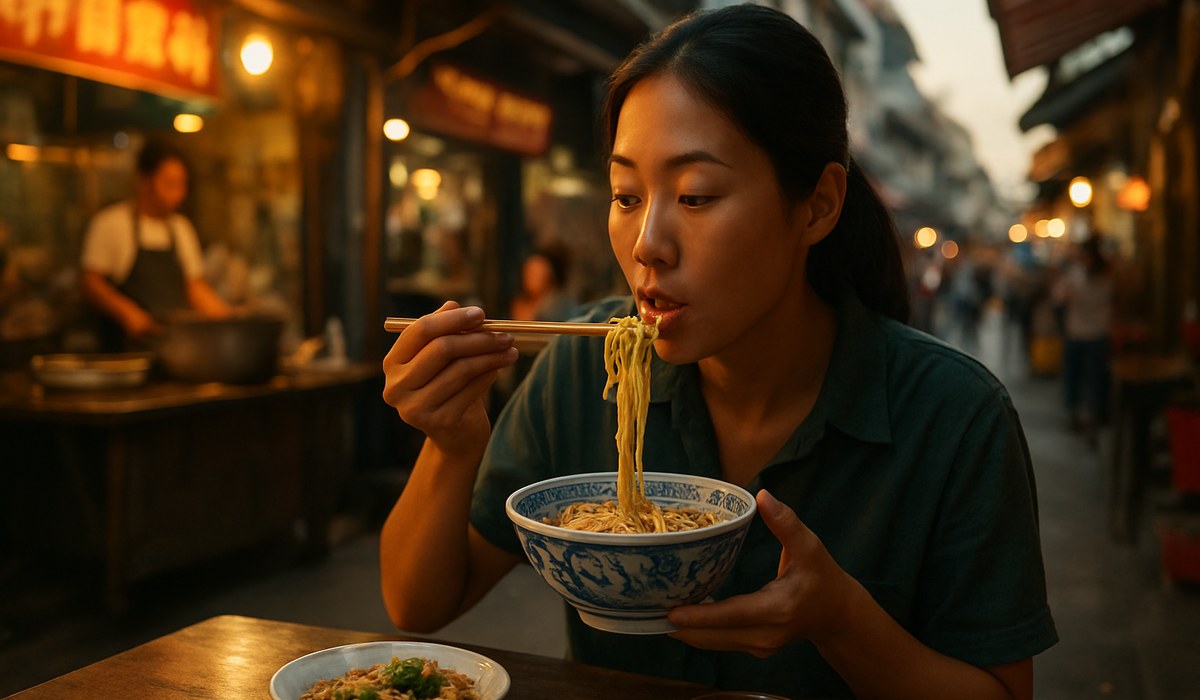
Image generated by AI
Asia's Food-Led Tourism Boom Transforms the Continent
Asia is experiencing an unprecedented culinary renaissance that fundamentally reshapes how millions travel across the continent. Gastronomic experiences now drive tourism asia travel more powerfully than traditional beach resorts or landmark visits. Food tourism has become the primary economic engine, with destination countries reporting record visitor arrivals tied directly to culinary events, street markets, and restaurant reservations.
This gastronomic ascendancy reflects a broader shift in traveler preferences toward authentic, experience-based journeys. Visitors increasingly seek cooking classes, farm-to-table dining, night market explorations, and chef-led tours rather than passive sightseeing. The movement supports sustainable tourism by directing spending toward local producers, family restaurants, and community-based food enterprises.
Culinary Destinations Leading Asia's Tourism Recovery
Thailand, Vietnam, and Singapore have cemented positions as Asia's top food tourism hubs, driving exponential growth in visitor numbers and spending.
Bangkok's Michelin-starred restaurants attract food-focused travelers worldwide, while Thai street food remains a primary draw for budget-conscious backpackers. The city's floating markets and cooking schools now operate at 85% capacity year-round. Chiang Mai has emerged as Thailand's gastronomic heart, offering hands-on culinary experiences in rural settings that connect tourists directly with farmers and traditional preparation methods.
Vietnam's food tourism boom centers on Ho Chi Minh City and Hanoi, where night markets generate $4.2 million monthly from international visitors. Iconic dishes like pho and banh mi have become pilgrimage destinations, with restaurants featuring on global "must-eat" lists experiencing waitlists extending months ahead.
Singapore's multicultural dining scene drives premium tourism asia travel, with hawker centers joining high-end establishments as must-visit venues. The island-nation's position as a culinary crossroads attracts affluent travelers spending $2,800+ per trip on food experiences alone.
Check out Lonely Planet's Asia food guides for detailed restaurant rankings and eating experiences.
Best Time to Visit
The ideal travel window for food-focused tourism asia travel runs from November through February, when regional climates remain favorable and seasonal ingredients peak.
Southeast Asia's cool season brings comfortable temperatures for market exploration and cooking classes. December through January captures holiday festivities and New Year celebrations featuring traditional foods. These months coincide with peak harvests for regional specialties, ensuring maximum ingredient availability and authenticity at markets and restaurants.
March through May presents challenges due to heat and humidity, reducing comfort during outdoor market visits. Monsoon seasons from June through September create logistical difficulties, though fewer tourists mean authentic local experiences and lower accommodation costs. October offers transition weather with emerging autumn ingredients in northern regions.
Plan culinary travel 3-4 months in advance to secure spots in popular cooking schools and chef-led tours. Booking directly through tourism boards ensures access to experiences beyond typical TripAdvisor listings.
How to Get There
Direct flights from major international hubs now connect seamlessly to Asia's primary gastronomic destinations through flagship carriers like Singapore Airlines, Thai Airways, and Vietnam Airlines.
Singapore's Changi Airport (SIN) functions as Asia's central culinary tourism hub. Most international travelers arrive here before dispersing to regional food destinations. The airport now features dedicated food tourism concierge services offering ground transportation coordination and restaurant pre-bookings.
Bangkok's Suvarnabhumi Airport (BKK) handles peak volumes during cool season months. Thai Airways dominates regional connections, offering direct service from European and American cities. Ground transport via airport trains reaches downtown Bangkok in 16 minutes, connecting travelers to Chinatown's legendary street food scene.
Hanoi's Noi Bai International Airport (HAN) serves Vietnam's northern food tourism circuit. Direct flights from Southeast Asian hubs take 1-2 hours. Airport shuttle services coordinate with hotel pickups, allowing same-day arrival at famous pho districts.
Chiang Mai International Airport (CNX) provides gateway access to northern Thailand's rural culinary experiences. Regional airlines offer 1-hour connections from Bangkok, positioning travelers at mountain cooking schools by early afternoon.
Experience-Driven Itineraries Reshaping Travel Patterns
Multi-day culinary experiences now drive entire regional trips, with cooking classes, market tours, and chef collaborations becoming primary booking motivators.
The gastronomic ascendancy has spawned specialized tour operators focusing exclusively on food tourism experiences. Companies arrange multi-destination journeys featuring different regional cuisines, working with local chefs to create authentic learning environments. These tours typically span 7-14 days, balancing active cooking participation with dining at acclaimed restaurants.
Street food tours in Bangkok, Chiang Mai, and Hanoi attract 40% of visitor arrivals according to regional tourism boards. Guides lead groups through wet markets at dawn, explaining ingredient selection and seasonal availability. Afternoon sessions feature cooking demonstrations and hands-on preparation in family kitchens.
Farm-to-table experiences in Vietnam's Mekong Delta and Thailand's northern provinces connect travelers with agricultural producers. Visitors harvest ingredients during morning sessions, then prepare lunch with host families. These immersive experiences cost $45-85 per person and generate direct income for rural communities.
Michelin star dining experiences remain aspirational draws. Singapore's fine dining scene commands premium pricing ($180-320 per person), while Bangkok's gastronomic restaurants range $95-180. These establishments feature tasting menus highlighting regional ingredient ascendancy and traditional preparation techniques.
Regional Ingredient Ascendancy and Sustainable Sourcing
Asia's culinary tourism growth directly correlates with increased demand for locally-sourced, sustainably-harvested ingredients that support environmental conservation.
This movement emphasizes farm-to-fork principles, reducing transportation emissions and supporting small-scale agricultural producers. Markets now display ingredient origin information, allowing travelers to trace foods to specific villages and farming families.
Thailand's organic farming movement has expanded agricultural cooperatives from 340 to 1,200 since 2022. These farms supply restaurants participating in culinary tourism circuits, ensuring ingredient quality while maintaining fair pricing for farmers.
Vietnam's slow food movement gained momentum as travelers demand transparency about preparation methods and sourcing practices. Restaurants displaying "certified sustainable" credentials experience 35% higher international visitor rates.
Community-based enterprises capture increased spending directly. Family restaurants transforming into cooking schools generate 3x revenue compared to standard dining operations. Rural guesthouses offering agricultural experience packages book at 90%+ occupancy during peak seasons.
Visit Vietnam Tourism Board for certified sustainable dining experiences and verified culinary programs.
What This Means for Travelers
Culinary-focused tourism asia travel now offers unparalleled value for experience-driven visitors. Here's how to maximize your gastronomic journey:
-
Book cooking classes 6-8 weeks ahead through official tourism boards rather than third-party platforms. Direct bookings support local entrepreneurs and ensure instructor quality.
-
Visit wet markets at dawn before tourist crowds arrive. Purchase ingredients, then prepare them with vendors or hired cooks for lunch. Cost averages $35-50 per person including food.
-
Explore regional specialties by season. Spring features fresh herbs and young vegetables. Summer offers abundant seafood. Autumn highlights root vegetables and preserved ingredients. Winter brings cool-weather slow-cooked dishes.
-
Stay in culinary neighborhoods, not resort zones. Bangkok's Yaowarat district and Chiang Mai's Old City positions you within food tourism epicenters, reducing transport time and increasing spontaneous dining discoveries.
-
Request chef recommendations at accommodations. Local hospitality staff know authentic restaurants frequented by residents, avoiding tourist-facing establishments with inflated pricing.
-
Join organized food tours focusing on specific cuisines or neighborhoods. Professional guides provide historical context, ingredient education, and vendor relationships ensuring genuine experiences.
-
Verify vaccination and dietary requirements with culinary tour operators 3-4 weeks before departure, especially for hands-on cooking experiences.
Key Gastronomic Tourism Data
| Metric | 2026 Value | Impact |
|---|---|---|
| Food tourism arrivals in Asia | 127 million | 34% growth YoY |
| Average spending per culinary traveler | $2,150 | 28% above general tourism |
| Cooking class booking rate | 62% of food tourists | Primary activity |
| Sustainable restaurant certification increase | 340% since 2020 | Community economic growth |
| Average tour duration | 8.4 days | Longer than standard trips |
| Peak season occupancy rates | 91% in major cities | November-February dominance |
| Organic farming cooperative growth | 253% (340→1,200 operations) | Environmental sustainability |
| Premium dining ($180+/person) market growth | 41% annually | Affluent segment expansion |
FAQ Section
What are the best tourism asia travel destinations for food experiences in 2026? Thailand, Vietnam, and Singapore lead culinary tourism, with Bangkok, Hanoi, and Ho Chi Minh City attracting the highest visitor volumes. Chiang Mai offers rural gastronomic experiences focusing on hands-on cooking and agricultural engagement. Singapore's multicultural food scene attracts premium-spending travelers. Each destination offers distinct cuisines and preparation styles, allowing multi-destination itineraries combining different regional specialties.
How much should I budget for food-focused tourism asia travel? Budget $80-150 daily for mid-range food tourism experiences, including market tours ($35-45), cooking classes ($50-85), and casual dining (street food $3-8, restaurant meals $12-25). Premium culinary tourism costs $250-400 daily, incorporating Michelin-star restaurants and exclusive chef collaborations. Budget 30-40% of total trip spending for food experiences, compared to 15-20% for standard tourism.
What is the gastronomic ascendancy trend and why does it matter for travelers? Gastronomic ascendancy describes Asia's shift toward cuisine-centered tourism driving economic growth, community development, and sustainable practices. This trend matters because it enables travelers to generate positive community impact through dining choices, access authentic cultural experiences, and support local farmers and restaurants. Food tourism creates longer trips with higher spending, benefiting entire regional economies beyond major tourist centers.
When should I travel for optimal food tourism experiences in Asia? November through February represents peak gastronomic tourism season, offering comfortable weather for market exploration and optimal ingredient availability. December-January captures holiday festivities and seasonal specialties. Avoid June-September monsoon periods when logistical challenges reduce experience quality. Early booking (3-4 months advance) secures popular cooking schools and chef-led tours.
Related Travel Guides
- Who Should Avoid OFX in 2026: Global Transit Guide to Cheaper Money Transfers for Expats and Nomads
- Erwin Unicoi County Apple Festival 2026: Insider Guide to Tennessee's Mountain Harvest Tradition
- Assam Flood Crisis 2026: 5.24 Lakh People Affected as 48,742 Hectares of Farmland Destroyed
Disclaimer
Disclaimer
This article is for informational and educational purposes only. It does not constitute legal, financial, or professional advice. While we strive to provide accurate and up-to-date information, travel policies, regulations, and conditions change rapidly. Always verify information with official sources before making travel decisions. Nomad Lawyer makes no representations about the accuracy, reliability, completeness, or suitability of the information provided. Readers should consult qualified professionals for advice specific to their circumstances. The views expressed in this article are those of the author and do not necessarily reflect the views of Nomad Lawyer.
Raushan Kumar
Founder & Lead Developer
Full-stack developer with 11+ years of experience and a passionate traveller. Raushan built Nomad Lawyer from the ground up with a vision to create the best travel and law experience on the web.
Learn more about our team →