
The U.S. Department of Homeland Security (DHS) Eases Travel Rules for Iranian National Team Ahead of Monumental Seattle World Cup Clash Against Egypt — Critical B2B Logistics Blueprint
US DHS eases travel rules for the Iranian national team, doubling the entry window to 48 hours for the June 26 World Cup

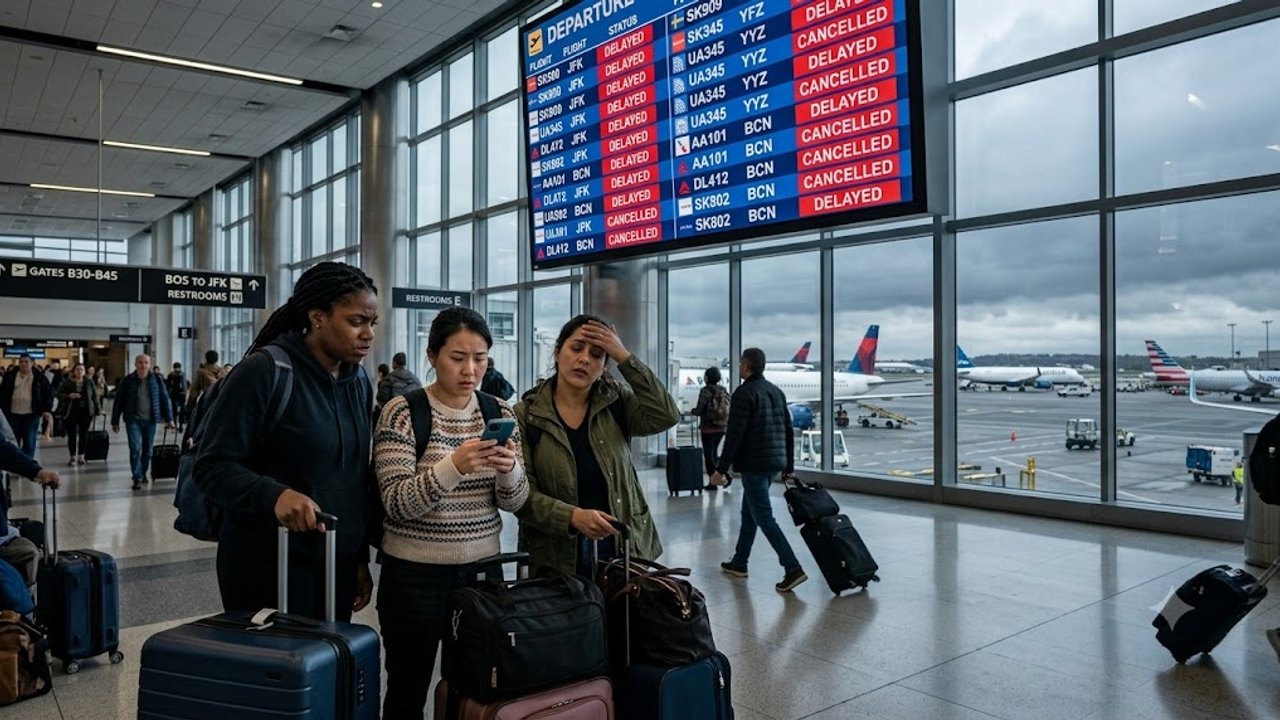
Image generated by AI
[Washington, D.C., June 24, 2026] — The U.S. Department of Homeland Security (DHS) has implemented a significant policy shift to ease travel restrictions for the Iranian national football team ahead of a high-stakes World Cup encounter. The agency announced on Tuesday that the permissible entry window for the delegation has been doubled, moving from a strict 24-hour limit to a 48-hour window prior to their scheduled match.
This regulatory adjustment comes as the United States manages the complex intersection of national security and the logistical demands of hosting global mega-events. The decision specifically facilitates the arrival of the Iranian squad for their upcoming group stage fixture against Egypt, which is set to take place in Seattle.
DHS Expands Entry Window for Iranian National Team
The primary modification in the DHS policy centers on the timing of border crossing for the visiting delegation. Under previous protocols, the Iranian national team was restricted to entering the United States no more than 24 hours before their scheduled matches. The new directive effectively doubles this timeframe, allowing the team and its supporting staff to arrive 48 hours before kickoff.
For the athletes and technical staff, this additional 24-hour buffer is considered critical for recovery and acclimatization. In the context of elite sports, the ability to enter a country earlier allows for better management of jet lag and provides the team with a more stable environment to conduct final tactical preparations.
From a B2B perspective, this shift necessitates an immediate overhaul of travel itineraries. Logistics providers and sports tour operators must now recalculate arrival manifests, adjust private transportation schedules from the port of entry, and coordinate extended hotel stays.
Logistics of the Seattle World Cup Clash
The policy easing is directly tied to the monumental fixture scheduled for June 26, where the Iranian national team will face Egypt. The match is slated to be held at Lumen Field in Seattle, Washington.
Managing the arrival of international delegations at a major U.S. port of entry requires precise synchronization between border authorities and travel management firms. The extension of the entry window reduces the risk of logistical bottlenecks and ensures that the team can transit from the airport to their training facilities without the pressure of a narrow 24-hour deadline.
Industry observers indicate that the coordination for the Lumen Field event serves as a vital test for how the U.S. government will handle similar diplomatic and security challenges throughout the remainder of the 2026 World Cup.
Comparative Analysis of Entry Policy Changes
The following data outlines the specific changes implemented by the Department of Homeland Security for the upcoming fixture:
| Logistics Parameter | Previous Policy | Updated Policy |
|---|---|---|
| Permitted Entry Window | 24 hours pre-match | 48 hours pre-match |
| Relevant Fixture | Prior Matches | June 26 Match |
| Opposing Team | Various | Egypt |
| Match Venue | Various | Lumen Field, Seattle |
Impact on B2B Sports Travel and Ground Operations
For professionals specializing in event management and sports travel, this development underscores the volatility of international border protocols. The necessity for agility is paramount when navigating visa restrictions and entry mandates for high-profile clients.
When a government agency such as the DHS modifies travel rules, the ripple effect extends across the entire supply chain. Tour operators must engage in rapid communication with hospitality partners in Seattle to extend room blocks and secure additional lodging for the extended stay. Furthermore, ground handling strategies—including secure transport and airport reception—must be shifted forward by a full day.
The situation highlights the importance of maintaining direct and transparent communication channels with government agencies. Travel management companies that can proactively monitor these regulatory shifts are better positioned to provide seamless service and avoid the operational chaos associated with last-minute policy changes.
Precedents for Future Global Sporting Events
The decision to grant the Iranian team a 48-hour entry window sets a notable precedent for future international events hosted on U.S. soil. As the United States continues to co-host the 2026 World Cup, travel policies will remain under intense scrutiny, balancing the need for rigorous national security with the operational requirements of global athletics.
Stakeholders in the aviation and travel sectors are analyzing these incremental shifts to better forecast future logistical hurdles. The successful execution of the June 26 match in Seattle will likely serve as a blueprint for how the DHS handles other delegations from nations with complex diplomatic relationships with the U.S.
The efficiency of ground operations at Lumen Field, combined with the coordinated efforts of cross-agency authorities, will determine whether this expanded window becomes a standard protocol for other high-risk or diplomatically sensitive delegations in future tournaments.
The DHS policy update providing the Iranian national team with a 48-hour entry window for their June 26 match against Egypt is a pragmatic response to the logistical pressures of the World Cup. By easing these restrictions, the U.S. government has provided essential relief to the athletes and the B2B operators managing their transit. This move reinforces the reality that in the world of international sports travel, government policy is the primary driver of operational timelines.
Related Travel Guides
Disclaimer
This article is for informational and educational purposes only. It does not constitute legal, financial, or professional advice. While we strive to provide accurate and up-to-date information, travel policies, regulations, and conditions change rapidly. Always verify information with official sources before making travel decisions. Nomad Lawyer makes no representations about the accuracy, reliability, completeness, or suitability of the information provided. Readers should consult qualified professionals for advice specific to their circumstances. The views expressed in this article are those of the author and do not necessarily reflect the views of Nomad Lawyer.
Preeti Gunjan
Contributor & Community Manager
A passionate traveller and community builder. Preeti helps grow the Nomad Lawyer community, fostering engagement and bringing the reader experience to life.
Learn more about our team →